

Arizona faces 30% Colorado River water cut in new federal plan
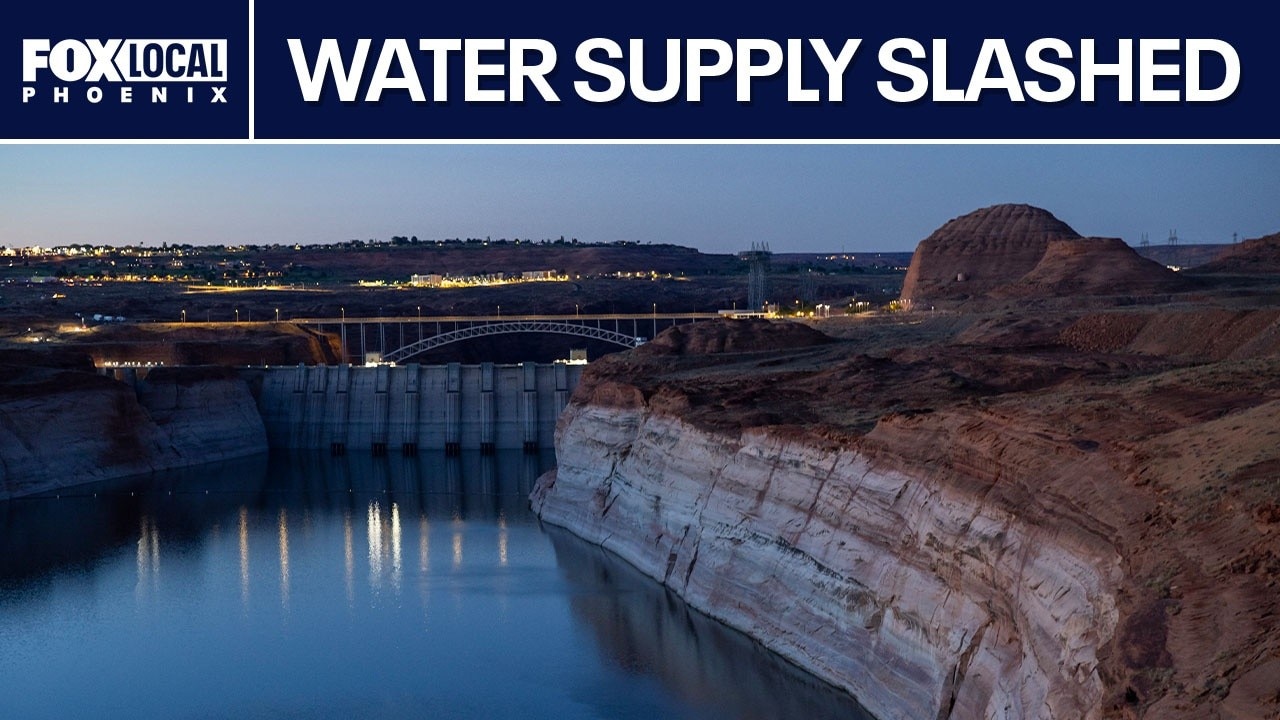
Arizona hit with 30% Colorado River water cuts
Lower Basin states face 1.25 million acre-feet in total annual cuts, with Arizona absorbing a 30% reduction in supply. FOX 10's Megan Spector reports.
PHOENIX - Arizona is taking the hardest hit in new Colorado River water cuts announced Friday, but state leaders say it could have been worse. The Department of the Interior released the exact numbers showing precisely how much supply each basin state will lose.
What we know:
Under new federal guidelines, Lower Basin states face combined reductions of 1.25 million acre-feet per year for the next two years.
Arizona is bearing the brunt of the cuts. The state's allocation will be slashed by 760,000 acre-feet annually, a cut of about 30%. For perspective, one acre-foot can supply about two to three Arizona homes for a year.
Still, policy experts say that loss doesn’t mean residents will suddenly lose running water.
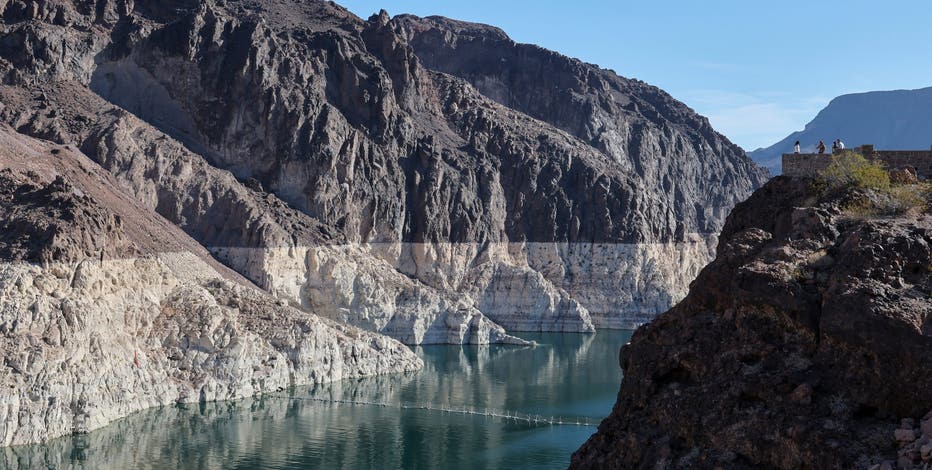
Colorado River water cuts: Arizona impacted under new proposal
The proposal released on July 31 by the U.S. Bureau of Reclamation says Arizona, California and Nevada could face collective cuts up to 3 million acre-feet through 2036, which is about enough water to serve more than 25 million people a year, the Associated Press reports.
What they're saying:
"For the average customer, life won’t change," Cynthia Campbell, a water resource attorney said. "The cities have been planning for this level of shortage for some time and, for the most part, they are prepared to take on this level of shortage. Now it might mean that water rates might go up slightly. It might mean that there will be an even more heightened sense of conservation and urging customers to be careful about how customers use water."
Because the Central Arizona Project holds junior water rights, it risked absorbing the entire federal reduction alone. But California and Nevada agreed to cuts that will share the burden. Meanwhile, Upper Basin states face no mandatory cutbacks, a point of contention for Gov. Katie Hobbs. She released a statement celebrating the federal adoption of the proposed water allocations, but vowing to continue to fight for Arizona's water.
"The Upper Basin’s refusal to negotiate any reductions to their water usage imperils the stability of the Colorado River system," Hobbs said.
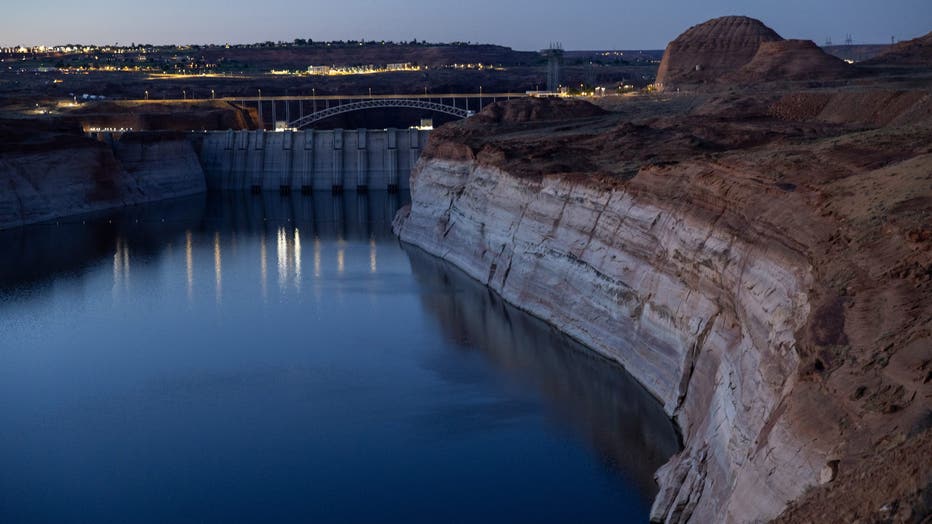
Glen Canyon Dam at Lake Powell near Page, Arizona. (Photo by David McNew/Getty Images)
Dig deeper:
There are still questions about how much of Arizona’s cuts will fall on the Central Arizona Project, as addressed by state officials today.
"There are cities and agriculture along the Colorado River that share the same priority as the Central Arizona Project, so we expect some of the cuts to come from those entities in those areas as well," Tom Buschatzke, Arizona Department of Water Resources director, said.
What's next:
What comes next depends largely on Mother Nature, requiring officials to watch reservoir levels closely to see if this two-year plan will hold up.
"How the weather works for this winter will actually impact whether or not this plan continues through the spring," Campbell said.
The federal government will re-evaluate river levels every two years, reserving the right to mandate further cuts if supplies keep dropping.