

Potentially deadly fungal infections climb during COVID pandemic, WHO says

The World Health Organization on Tuesday warned that reported invasive fungal infections increased significantly among hospitalized patients during the COVID-19 pandemic.
In a release alongside its recently released list of priority fungal pathogens, the U.N. health agency said emerging evidence indicates that the incidence and geographic range of fungal diseases are expanding around the world due to the increases in travel as well as climate change.
"Emerging from the shadows of the bacterial antimicrobial resistance pandemic, fungal infections are growing, and are ever more resistant to treatments, becoming a public health concern worldwide," Dr. Hanan Balkhy, WHO's assistant director-general of antimicrobial resistance, said in a statement.
The list categorizes the pathogens into three categories, including critical, high and medium priority.
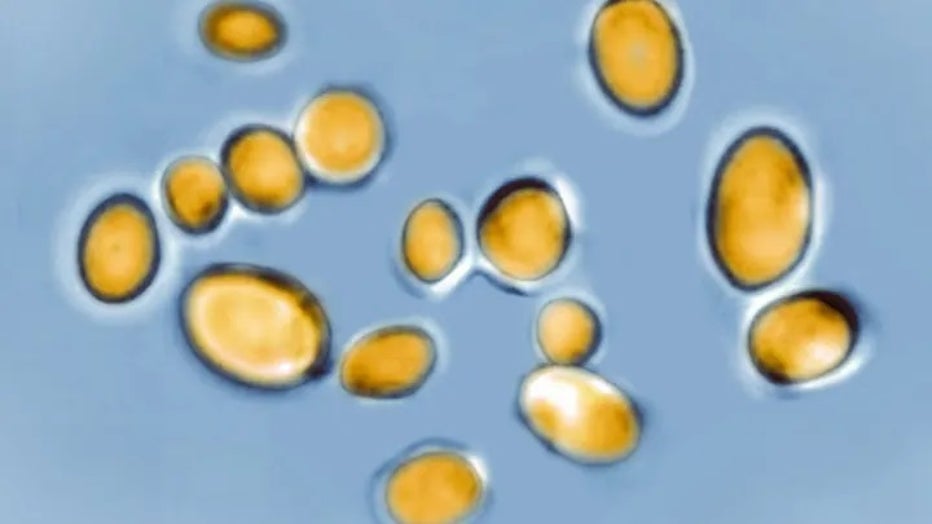
Candida auris is a yeast responsible for many infections. Resistant to most antifungal drugs, this fungus causes several deaths worldwide. (BSIP/Education Images/Universal Images Group via Getty Images)
Of the 19 invasive fungal diseases, four were categorized as "critical priority," including Cryptococcus neoformans, Aspergillus fumigatus, Candida albicans and Candida auris.
The report says that drug-resistant infections are estimated to cause 1.27 million deaths and contribute to nearly 5 million deaths annually.
A recent study published in the journal Nature estimates that of the 150,000 fungal species described, only about 200 of them are infectious to people.
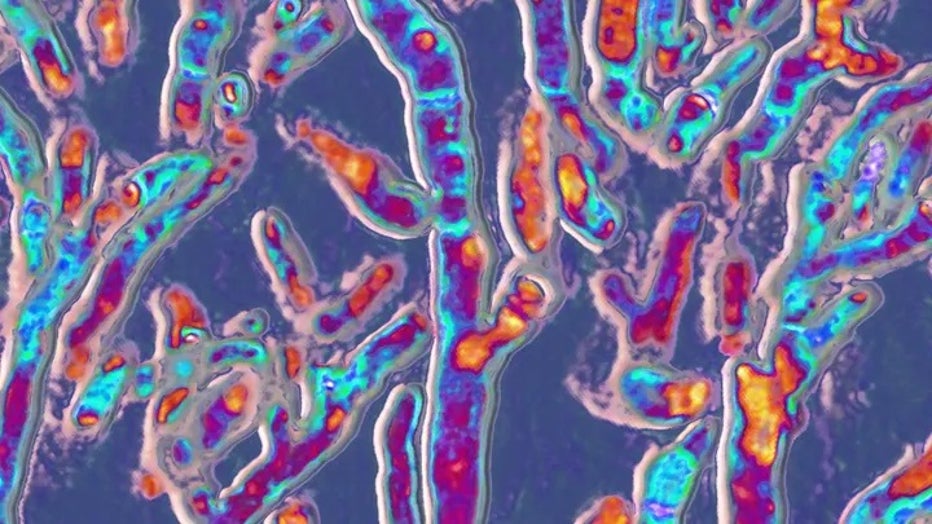
Aspergillus fumigatus is a fungus that can cause invasive pulmonary aspergillosis in immunocompromised individuals. (BSIP/Education Images/Universal Images Group via Getty Images)
Invasive forms of fungal infections often impact severely ill patients and those with underlying conditions.
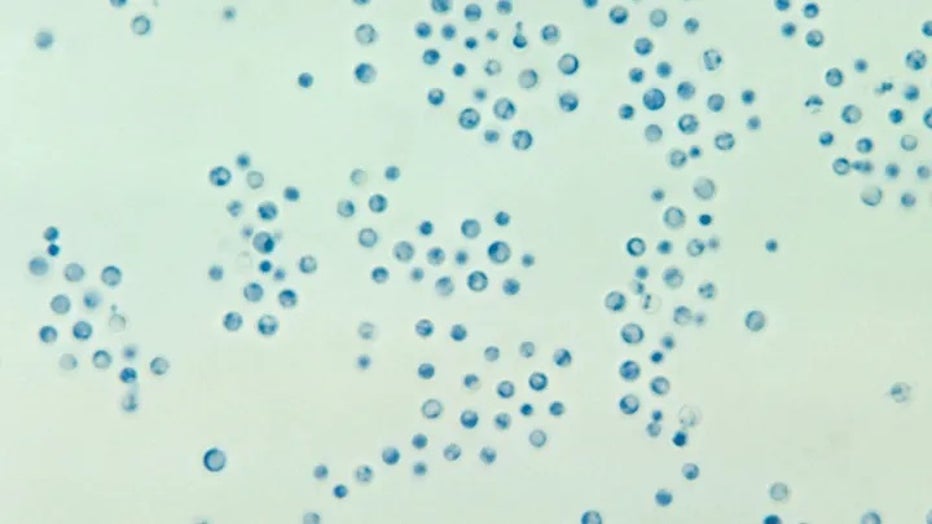
Photomicrograph of the encapsulated yeast Cryptococcus neoformans. (Image courtesy Centers for Disease Control and Prevention (CDC) / Dr Lucille K. Georg) (Smith Collection/Gado/Getty Images)
Populations at greatest risk of infection include those with cancer, HIV/AIDS, organ transplants, chronic respiratory disease and post-primary tuberculosis infection.
There are only four classes of antifungal medicines currently available.
The WHO said its ranking by experts — the first fungal priority pathogens list — marks the first effort to prioritize the issue.
It calls for more evidence to inform the response to these threats, including preventing the development of antimicrobial resistance, and address the impact of antifungal use on resistance across the One Health spectrum.