

Audit flags misused Arizona ESA funds; Dept. of Education pushes back
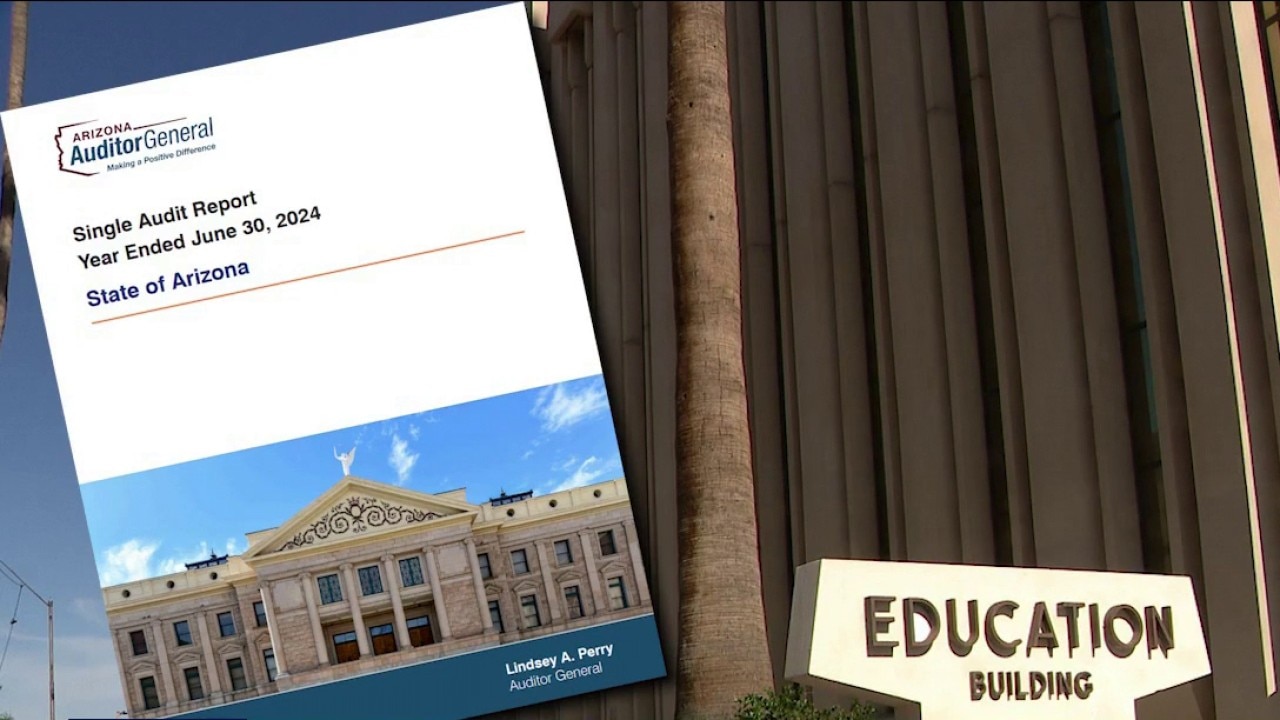
AZ Education Department responds after audit finds ESA oversight failures
Investigators discovered more than 581,000 high-risk transactions in Arizona's ESA program that lacked documentation of proper review or oversight. FOX 10'S Jacob Luthi learns where taxpayer dollars were spent.
PHOENIX - A new audit by the Arizona Auditor General found the state’s Empowerment Scholarship Account program failed to stop the misuse of public funds. Investigators say management missed high-risk transactions, allowing taxpayer dollars to be spent on items like food and home appliances.
The auditor flagged over a third of transactions reviewed for reasons ranging from missing documentation to prohibited spending.
What we know:
The state Department of Education responded Wednesday to a new Auditor General report on Arizona’s ESA program, which allows parents to withdraw their children from public schools and use state education dollars for approved private school, homeschool, and other education expenses.
The audit found the program delayed reviews of high-risk transactions and failed to properly monitor unallowable expenses.
"We are doing our best to identify the riskiest orders to audit, but in a risk-based approach, there is always going to be transactions that are going to make it through," ESA Director John Ward said.
By the numbers:
Out of a targeted sample of 63 high-risk transactions, auditors found issues with 25 of them, totaling over $86,000 for reasons including missing documentation, possible misuse, overpayments, and unallowable expenses.
Examples included $3,600 for therapy without required accreditation documents and nearly $2,000 for items like food, security cameras, and bathroom accessories. These purchases were not manually reviewed because they fell under the program’s $2,000 auto-approval threshold.
Featured
Report finds 34% of Arizona ESA transactions reviewed had issues
A state audit reveals potential mishandling of millions in school voucher funds after Superintendent Tom Horne ordered staff to approve requests under $2,000 without review.
Big picture view:
The report also found more than 581,000 high-risk transactions totaling nearly $100 million that the program could not show had been reviewed or addressed.
"When we find individuals that have misspent their ESA dollars, we ask for repayment. If they don't repay us, we suspend their accounts and ultimately we'll terminate them," Ward stated.
What they're saying:
Ward argues the department’s own analysis shows only about 2% of overall spending is unallowable.
"We're a $1 billion program. That is a very, very small percentage. Could it be better? Absolutely. And we're always striving for that. But we can live with 2% as part of our process improvement," Ward said.
Ward says the program’s rapid growth proves its popularity, but comes with oversight challenges.
"This program absolutely needs a higher level of funding so that we can continue to invest in technology and people," Ward said.
What's next:
To fix these issues, auditors recommend the ESA program review all flagged and auto-approved transactions within a two-year timeframe and hold violators accountable. The report also suggests working with lawmakers to secure more staff and advanced technology to better catch unallowable spending—something the department says are things they are already doing.
The Source: This information was gathered from the ESA director.