Flood Watch
until MON 5:00 AM MST, Yavapai County Mountains, Little Colorado River Valley in Navajo County, Western Mogollon Rim, Coconino Plateau, Chinle Valley, Yavapai County Valleys and Basins, Oak Creek and Sycamore Canyons, Grand Canyon Country, Chuska Mountains and Defiance Plateau, Northeast Plateaus and Mesas South of Hwy 264, Little Colorado River Valley in Coconino County, Black Mesa Area, Marble and Glen Canyons, Northeast Plateaus and Mesas Hwy 264 Northward, Northern Gila County, White Mountains, Kaibab Plateau, Eastern Mogollon Rim, Little Colorado River Valley in Apache County, Eastern Cochise County below 5000 ft including Douglas/Wilcox, Upper Gila River and Aravaipa Valleys including Clifton/Safford, Southeast Pinal County including Kearny/Mammoth/Oracle, Western Pima County including Ajo/Organ Pipe Cactus National Monument, Dragoon/Mule/Huachuca and Santa Rita Mountains including Bisbee/Canelo Hills/Madera Canyon, Tucson Metro Area including Tucson/Green Valley/Marana/Vail, Tohono O'odham Nation including Sells, Baboquivari Mountains including Kitt Peak, Upper San Pedro River Valley including Sierra Vista/Benson, Chiricahua Mountains including Chiricahua National Monument, Galiuro and Pinaleno Mountains including Mount Graham, Santa Catalina and Rincon Mountains including Mount Lemmon/Summerhaven, White Mountains of Graham and Greenlee Counties including Hannagan Meadow, South Central Pinal County including Eloy/Picacho Peak State Park, Upper Santa Cruz River and Altar Valleys including Nogales, North Phoenix/Glendale, Aguila Valley, Mazatzal Mountains, Tonopah Desert, Gila Bend, San Carlos, East Valley, Northwest Pinal County, Northwest Valley, Southeast Valley/Queen Creek, Globe/Miami, Deer Valley, Fountain Hills/East Mesa, Apache Junction/Gold Canyon, Buckeye/Avondale, Tonto Basin, Rio Verde/Salt River, South Mountain/Ahwatukee, Dripping Springs, Southeast Gila County, Pinal/Superstition Mountains, Scottsdale/Paradise Valley, New River Mesa, Sonoran Desert Natl Monument, West Pinal County, Superior, Cave Creek/New River, Central Phoenix, Northwest Plateau, Lake Havasu and Fort Mohave

Moldy berry in the container: Is it safe?
Published March 9, 2023 9:23 AM MST

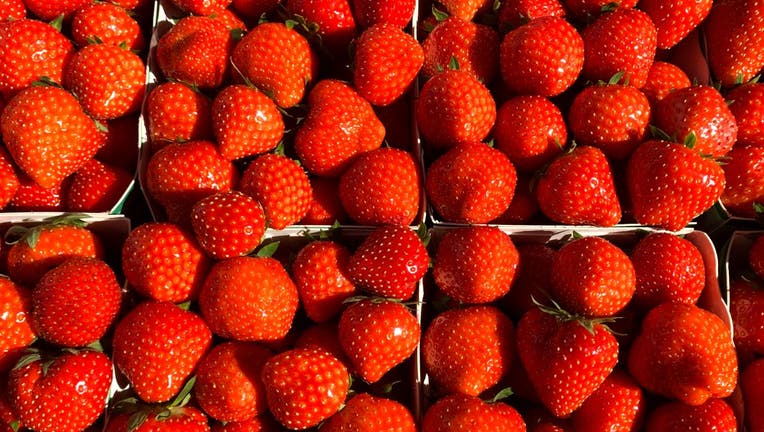
Strawberries are seen at a stand in Brussels, Belgium on October 11, 2022. (Photo by Jakub Porzycki/NurPhoto via Getty Images)

The Mayo Clinic is providing some insight into a question many people have had: If there's one moldy berry in a container, does it spoil the bunch?

The Rochester, Minnesota-based hospital published on Thursday a Mayo Clinic Minute with Dr. Nipunie Rajapakse, a pediatric infectious disease expert, to answer the question.

Simply put, if a few berries develop some mold, which typically looks like cotton or fuzz, it doesn't mean you have to throw out the whole container, according to Rajapakse. You should just throw out the berries that are visibly moldy and any berries that may have been in direct contact with those moldy berries. 

Mold tends to thrive in areas where there's a lot of moisture and organic material, so berries are the perfect place for mold to grow, the Mayo Clinic Minute states.

"If more than about a quarter of the berries are moldy, you're probably best off getting rid of all of those berries. But, if the rest are looking healthy, they're not bruised, they're not soft and there's no visible mold on them, they're probably OK to eat after you've washed them well," she said in the Mayo Clinic Minute. 

There's no need to worry if you notice a berry is moldy after you've started eating it — you're unlikely to get sick if you eat a small amount of mold, Rajapakse explains. There's a chance you could develop some digestive issues, such as a stomachache, nausea or vomiting, but that's uncommon unless you've eaten a lot of mold.

Rajapakse also provides a tip to help keep your berries fresh for longer: rinse them with vinegar and water, then store them on a dry paper towel in an open container inside your refrigerator.

Food and DrinkHealthMinnesotaNewsExplainers