

Own a HAIARA power bank? Stop using it immediately, CPSC says
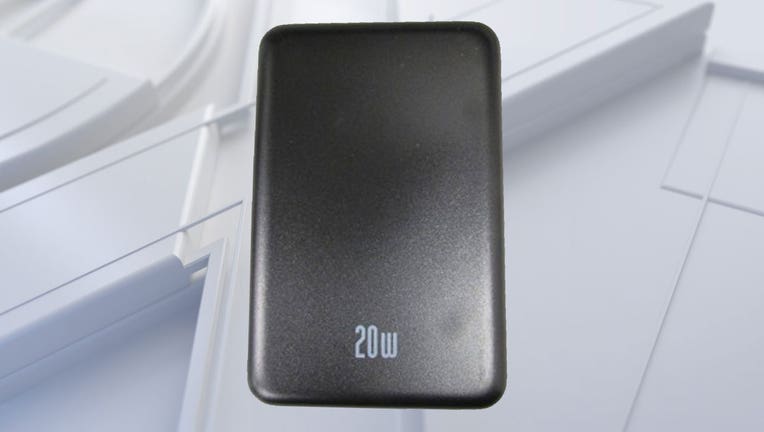
The U.S. COnsumer Product Safety Commission is warning customers to immediately stop using the HAIARA model W5 PRO power banks after learning of hundreds of exploding batteries and fires. (Photo: U.S. Consumer Product Safety Commission)
The U.S. Consumer Product Safety Commission is warning anyone who owns a model of HAIARA power banks to stop using after receiving hundreds of reports of fire, explosion, burn injuries and property damage.
Big picture view:
The CPSC issued a warning this week about the HAIARA power bank, model W5 PRO, which were sold online at Amazon.com and Newegg.com. They are black and have "20W" printed on the front. A label on the side includes "Model: W5 PRO." The HAIARA brand name is included on some purchase receipts but not on the product itself. The warning applies to power banks with no date code printed on the side label, the CPSC website states.
The products were manufactured in China, but the manufacturer has not responded to CPSC requests for a recall or information about the product, the CPSC says. One Amazon seller, Mitrytech, agreed to a recall, CPSC says, but Amazon seller Geralde-US has not responded to a recall request and Amazon seller Woot has refused to conduct a recall.
What they're saying:
"CPSC is aware of 600 reports of fire, explosion, and other thermal incidents, including three reports of burn injuries and nine reports of property damage," according to the CPSC warning. "Do not sell or give away these hazardous products," the warning states.
What you can do:
The agency urges consumers to stop using the power bank and dispose of them according to hazardous waste disposal procedures in your area.
People who own one of the power banks should not throw the device or the lithium-ion battery in the trash or the general recycling stream or in used battery recycling boxes found at retail and home improvement stores. Defective lithium-ion batteries must be thrown away differently than other batteries because of their greater fire risk.
The Source: Information for this story came from the U.S. Consumer Product Safety Commission. This story was reported from Orlando.