

Rare tick-borne babesiosis disease on the rise in northeastern US, says CDC: Here's why
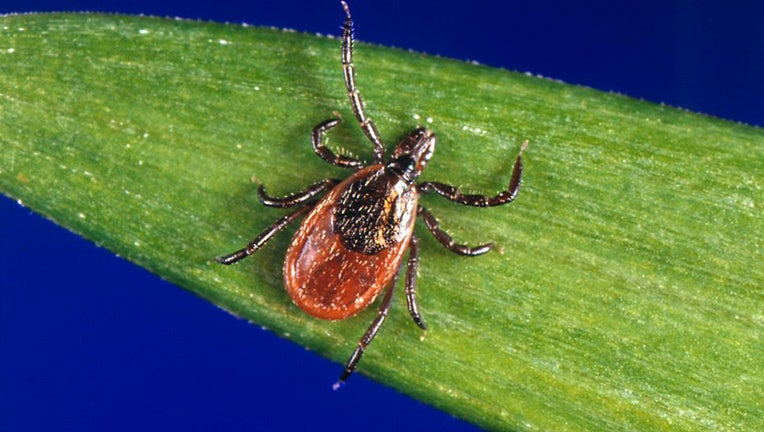
FILE - Black-legged ticks, I. scapularis are known to transmit Lyme disease, Borrelia burgdorferi, to humans and animals during feeding. (Smith Collection/Gado/Getty Images)
Lyme disease may hold the distinction of being the most commonly reported tick-borne disease in the U.S. — but it’s not the only one.
Babesiosis, a rare tick-borne parasitic disease, is spiking in some states.
The CDC reported on Friday that cases of babesiosis saw a significant uptick between 2011 and 2019 in some northeastern states.
In that time frame, a total of 16,456 cases were reported in 37 states. Eight U.S. states saw notable increases.
In that time frame, a total of 16,456 cases were reported in 37 states. Eight U.S. states saw notable increases.
TICK BITES ON THE RISE: HOW TO STAY SAFE AS YOU HEAD OUTDOORS
The biggest jumps were seen in Vermont (1,602%, from two to 34 cases), Maine (1,422%, from nine to 138 cases), New Hampshire (372%, from 13 to 78 cases) and Connecticut (338%, from 74 to 328).
Massachusetts, New Jersey, New York, Rhode Island and Vermont also saw increases.
Doctor blames climate change for parasitic spread
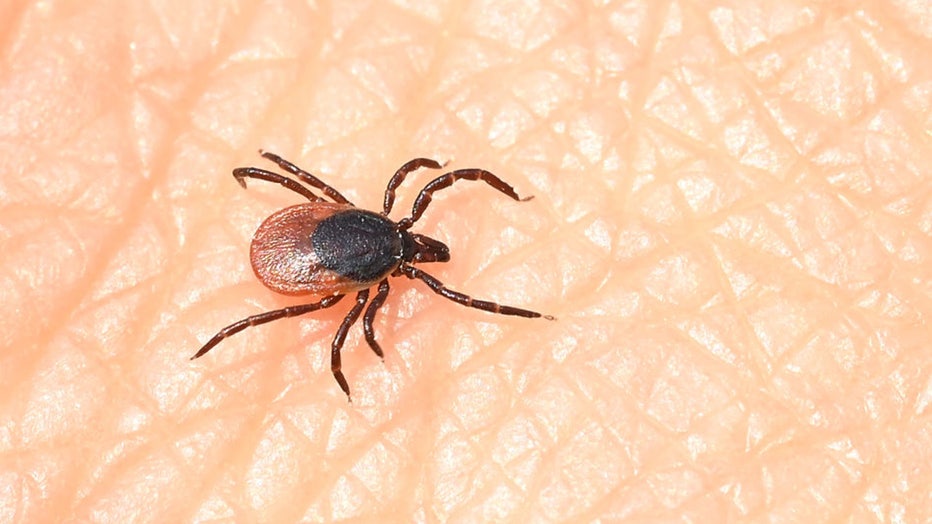
FILE - A tick runs over a hand. (Bernd Weissbrod/picture alliance via Getty Images)
Babesiosis is a disease that occurs when a microscopic parasite, babesia, infects red blood cells.
MarkAlain Déry, DO, MPH, infectious disease doctor and chief innovation officer at Access Health Louisiana, was not surprised to hear of the increase in the tick-borne disease.
In an interview with Fox News Digital, he said this has been an ongoing discussion in the infectious disease community for over a decade.
"As we’ve seen more effects of climate change, we expected that we would probably start to see different pathogens begin to expand the reach of their ecological niche," Dr. Déry said.
'SILENT PANDEMIC' WARNING FROM WHO: BACTERIA KILLING TOO MANY PEOPLE DUE TO ANTIMICROBIAL RESISTANCE
"Not only did we see an increase of cases in states where it was already endemic, but we also saw new endemic states, mostly in the New England area."
Babesiosis is most prevalent in warm, wet areas, he added.
"I wouldn’t be surprised to see other viral illnesses increase as well, like chikungunya, dengue or yellow fever, or parasitic infections like malaria," said Déry.
"As the climate gets warmer, it’s more likely that pathogens we wouldn’t normally see in the U.S. would expand into the country."
"Even one degree of a difference in temperature is enough for pathogens to expand their reach," he added.
Babesiosis and Lyme: same transmission, different diseases
Transmitted by black-legged ticks or deer ticks, babesiosis is most prevalent in some northeast and upper Midwest states, primarily during the warmer seasons, per the CDC’s website.
Lyme disease is transmitted by the same kind of ticks, but it is a bacterium and not a parasite.
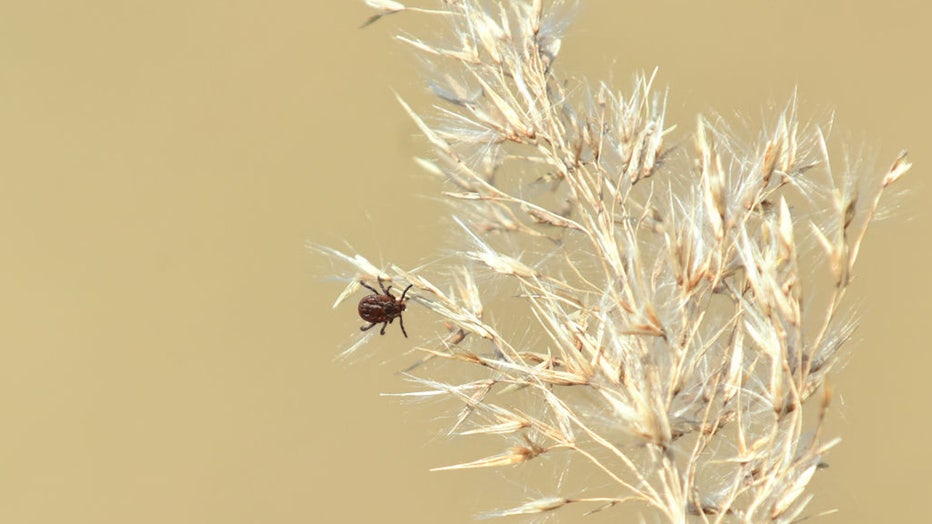
FILE - A tick is seen on a dry plant. (Olena Khudiakova/ Ukrinform/Future Publishing via Getty Images)
"In areas where Lyme is prevalent, you’re likely to also see babesiosis," said Dr. Déry.
The two diseases share some common symptoms.
Lyme, however, causes a distinctive "bulls-eye" rash, which doesn’t happen with babesiosis. (Not everyone with Lyme disease will have the rash, according to medical experts.)
Warning signs of babesiosis
Some of the most common symptoms of babesiosis mimic those of the cold and flu, which can mean many cases are going undiagnosed.
People who are infected may experience fever, chills, sweats, fatigue, headache, cough, muscle aches and sore throat.
In more extreme cases, Dr. Déry said patients may have an enlarged liver and spleen, jaundice or visual changes.
Very rarely, higher-risk patients may suffer from respiratory distress, heart failure, kidney failure or multi-organ failure.
The highest-risk patients are those who have had splenectomies, a surgical procedure to remove a damaged or diseased spleen.
"When the babesia parasite gets into the system, it goes through multiple cycles inside the body," Dr. Déry explained.
AUTOIMMUNE DISEASE SPIKE BLAMED ON WESTERN DIET, SCIENTISTS SAY
"One of the final cycles is getting through the spleen, which helps to attack the parasite that’s living inside the red blood cells. People who don’t have spleens don’t have that final pass-through, so they’re at a greater risk for parasitemia, which is when the parasite enters the blood."
Other high-risk groups include those living with HIV, people who are over 55, young children, or people who take immunosuppressants for autoimmune disorders, the doctor said.