

Surge of invasive strep A infections alarms doctors

Strep A cases on the rise
FOX 5 NY's Linda Schmidt spoke with doctors who are issuing warnings over a rise in cases of strep throat, saying that the infections this year are more severe than usual.
NEW YORK - Health experts are reporting a concerning rise in strep throat cases, including the more severe and potentially deadly invasive group A strep.
"We're seeing an increase across the region and across the country," said Dr. Salvatore Pardo, chair of emergency medicine at Long Island Jewish Valley Stream Hospital.
According to Dr. Susannah Hills, a pediatric airway surgeon at Columbia Presbyterian Hospital, invasive strep A infections can be particularly dangerous when they affect the muscle, tissue, or blood.
"If it gets into the bloodstream, we can see toxic shock syndrome, which can lead to organ failure of the kidneys, of the liver, of the lungs and that can be deadly," Hills said.
Additionally, severe sepsis and the possibility of flesh-eating bacteria are potential complications of invasive strep A infections.
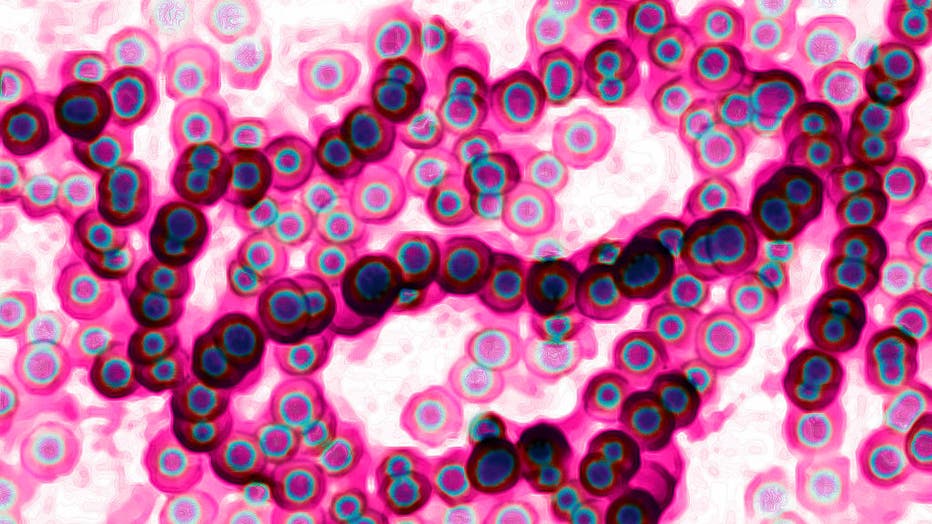
Streptococcus, Streptococcus pyogenes). Image taken from a microscope. (Photo by: BSIP/Universal Images Group via Getty Images)
According to Dr. Pardo, invasive strep A is highly contagious, but it is treatable.
"The good news is it's not a new strain. It is the same strain that we have seen in the past. We have good antibiotics to take care of it," Dr. Pardo said. "It's easily treatable as long as it's diagnosed."
The most at risk are people with compromised immune systems but, invasive strep A can strike anyone at any age.
"In little kids, we're also seeing more common strep turn into pneumonia and pulmonary and respiratory infections," Dr. Hills said.
Symptoms to watch out for include sore throat, fever, chills, muscle aches, nausea, vomiting, and swollen skin. If you or your child experience any of these symptoms, promptly seek medical attention to receive appropriate diagnosis and treatment.