

US adult cigarette smoking rate fell during first year of pandemic
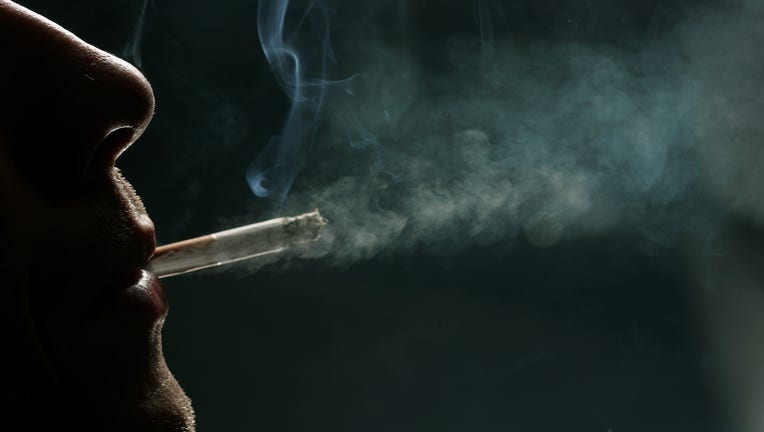
LONDON - MAY 16: In this photo illustration a man smokes a cigarette on May 16, 2007 in London. Businesses and shops are gearing up for the introduction of the smoking ban on July 1 in England after similar bans have been introduced in Ireland, Scotl
The first year of the COVID-19 pandemic saw more Americans drinking heavily or using illicit drugs — but apparently not smoking.
U.S. cigarette smoking dropped to a new all-time low in 2020, with 1 in 8 adults saying they were current smokers, according to survey data released Thursday by the Centers for Disease Control and Prevention. Adult e-cigarette use also dropped, the CDC reported.
CDC officials credited public health campaigns and policies for the decline, but outside experts said tobacco company price hikes and pandemic lifestyle changes likely played roles.
"People who were mainly social smokers just didn’t have that going on anymore," said Megan Roberts, an Ohio State University researcher focused on tobacco product use among young adults and adolescents.
What’s more, parents who suddenly were home with their kids full-time may have cut back. And some people may have quit following reports that smokers were more likely to develop severe illness after a coronavirus infection, Roberts added.
The CDC report, based on a survey of more than 31,000 U.S. adults, found that 19% of Americans used at least one tobacco product in 2020, down from about 21% in 2019.
Use of cigars, smokeless tobacco and pipes was flat. Current use of electronic cigarettes dropped to 3.7%, down from 4.5% the year before.
Cigarettes were the most commonly used tobacco product, with 12.5% of adults using them, down from 14%.
RELATED: World's happiest countries for 2022 amid war, COVID-19 — see where US ranks
Health officials have long considered cigarette smoking — a risk factor for lung cancer, heart disease and stroke — to be the leading cause of preventable death in the United States.
In 1965, 42% of U.S. adults were smokers.
The rate has been gradually dropping for decades for a number of reasons, including taxes and smoking bans in workplaces and restaurants. But a big part of the recent decline has to be recent price hikes, some experts said.
For example, British American Tobacco — the company that makes brands including Camel, Lucky Strike and Newport — increased prices four times in 2020, by a total of about 50 cents a pack.
Interestingly, the number of cigarettes sold in the U.S. actually went up in 2020 — the first such increase in two decades, the Federal Trade Commission reported last year.
It’s possible that fewer people smoked, but those who did were consuming more cigarettes.
"That’s a viable hypothesis — that you had people with more smoking opportunities because they weren’t going to work," said University of Ottawa’s David Sweanor, a global tobacco policy expert at the University of Ottawa.
It’s also possible that the CDC survey underestimated how many people are smoking, either because some respondents weren’t honest or because the survey missed too many smokers, he said.
Other surveys have suggested that for many people, alcohol consumption and illicit drug use increased in the first year of the pandemic.