

Americans in Middle East: How to get assistance from the State Department
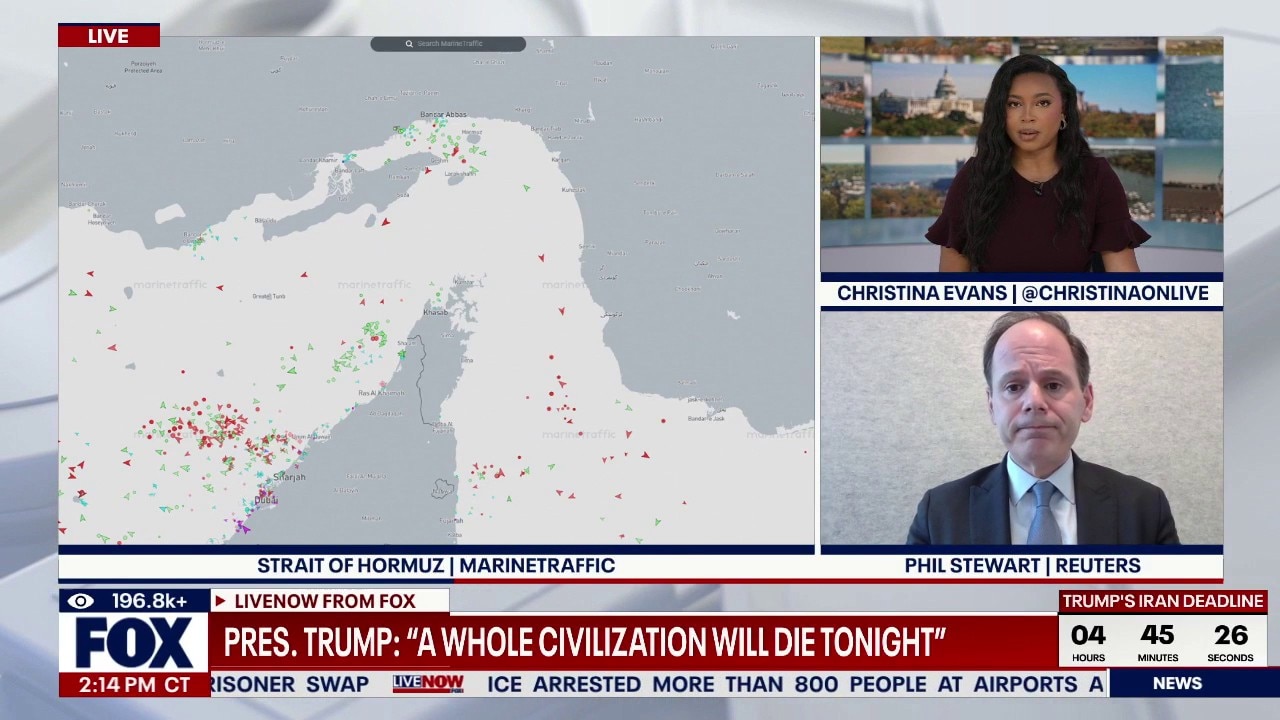
Iran says Tehran will take 'immediate action'
According to AP News, Iranian envoy said Tehran will take immediate and proportionate action if Trump follows through on attack threats.
After weeks of delay and mounting tension, President Donald Trump has issued what he described as a final ultimatum to Iran: reopen the Strait of Hormuz or face catastrophic consequences. In a stark message posted to social media, the president warned that failure to comply could result in devastation so vast that "a whole civilization will die."
In recent weeks, the U.S. government has turned its attention to the safety of its citizens abroad. In a series of advisories, the State Department has urged Americans across the Middle East to remain in close contact with the nearest U.S. embassy or consulate, emphasizing the importance of following evolving guidance. Officials have also reminded travelers that assistance remains available, including help coordinating safe routes home as uncertainty spreads across the region.
FOX Local reached out to the State Department for updated information.
How Americans in Iran can receive help
What they're saying:
"The Department of State advises Americans worldwide, and especially in the Middle East, to exercise increased caution," the department said on March 22. "Americans abroad should follow the guidance in security alerts issued by the nearest U.S. embassy or consulate. Periodic airspace closures may cause travel disruptions. U.S. diplomatic facilities, including outside the Middle East, have been targeted. Groups supportive of Iran may target other U.S. interests overseas or locations associated with the United States and/or Americans throughout the world."
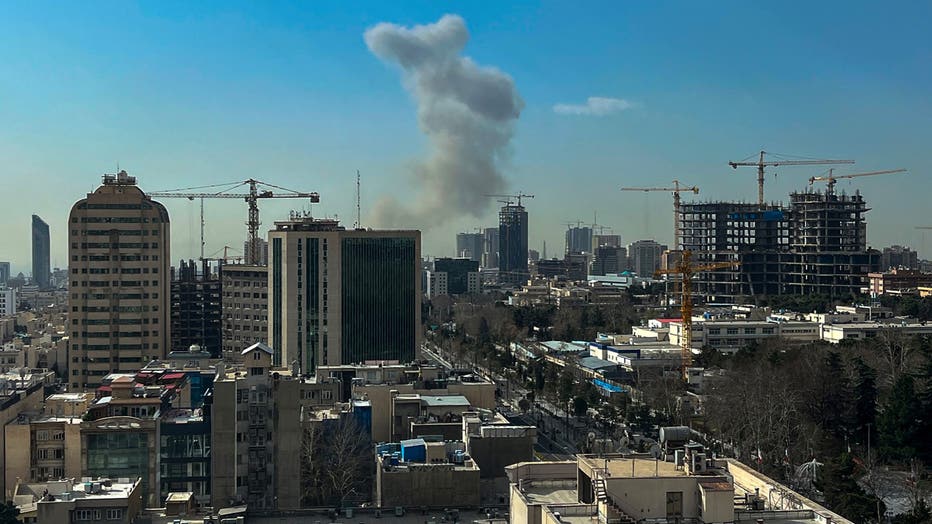
A plume of smoke rises following a reported explosion in Tehran on February 28, 2026. (Credit: AFP via Getty Images)
The State Department also said Americans can receive the latest security updates by enrolling in the Smart Traveler Enrollment Program (STEP), a free service that allows U.S. citizens and nationals to enroll their trip abroad. By enrolling, the Department of State can accurately and quickly contact them in case of emergency and receive the latest security updates from the U.S. embassy or consulate by email. To enroll visit step.state.gov.
The department also suggested following the "U.S. Department of State - Security Updates for U.S. Citizens" channel on WhatsApp which can be downloaded at whatsapp.com/download.
Americans can also find detailed information, including the latest Security Alerts, for their location at travel.state.gov/destination
Americans who need consular information or assistance can contact the State Department here:
- +1-202-501-4444 (from abroad)
- +1-888-407-4747 (from the U.S. and Canada)
US State Department helps Americans depart Middle East
The backstory:
On March 3, the U.S. Department of State took action to assist American citizens, who wished to depart the Middle East, return to the United States.
Over 9,000 American citizens safely returned from the Middle East, including over 300 from Israel.
The Department facilitated charter flights from the United Arab Emirates, Saudi Arabia, and Jordan for American citizens.
Commercial aviation options were also available in Saudi Arabia, UAE, Oman, and Egypt, and the Department was actively helping American citizens book those tickets.
For those in countries lacking commercial aviation availability, the Department facilitated travel to third countries as conditions allowed.
The Department said it answered calls from nearly 3,000 American citizens in the Middle East and continued to provide travel options for those wishing to leave.
Chokehold on the Strait of Hormuz
Big picture view:
Iran effectively blocked shipping through the strait after Israel and the U.S. attacked in February. That, and Iran’s attacks on the energy infrastructure of its Gulf Arab neighbors, have sent oil prices skyrocketing, raising the price of gasoline, food and other basics far beyond the Middle East.
RELATED: What to know about the Strait of Hormuz—and why it matters
Tehran has rejected a 45-day ceasefire proposal, saying it wants a permanent end to the war. But as Trump's deadline neared, an official said indirect communications between the United States and Iran remained underway. The official spoke on condition of anonymity to discuss ongoing diplomacy.
The Source: The US State Department contributed to this story. This story was reported from Los Angeles. The Associated Press contributed.