

Arizona Medicaid fraud: State deploys new AI tool to fight sober-living scheme
Sober living scandal: After $2.5B stolen, Arizona turns to AI to stop Medicaid fraud
Arizona officials launched the Alivia 360 AI tool to proactively block fraudulent billing after a predatory sober living scheme targeted Native American communities and defrauded taxpayers. FOX 10 Investigator Justin Lum learns more about what the tool can do, and when it can be expected to roll out.
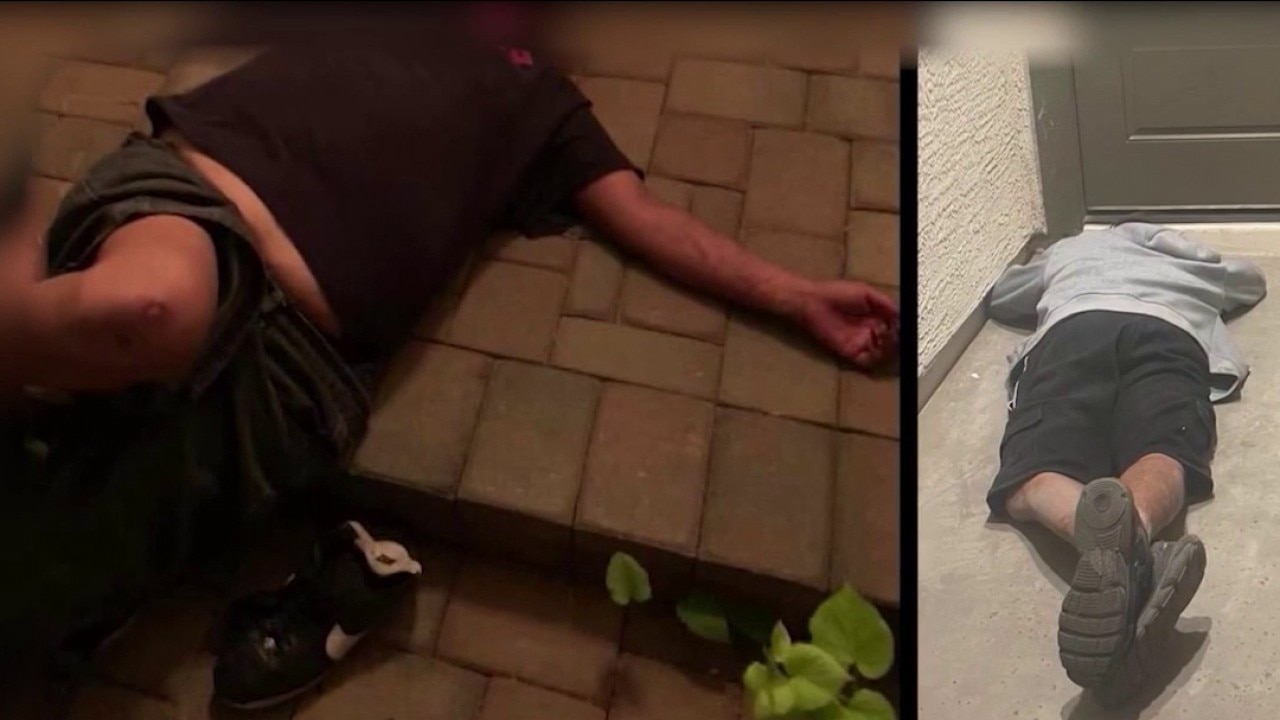
TUCSON, Ariz. - It has been three years since a massive crackdown on a Medicaid scheme that defrauded Arizona out of at least $2.5 billion. Fraudsters preyed on vulnerable people battling addiction, who were mostly Native Americans. Instead of getting legitimate services, they were lured off tribal land and shuffled through unlicensed sober-living homes.
What we know:
Arizona’s Medicaid agency, known as the Arizona Health Care Cost Containment System, or AHCCCS, is taking a new approach to behavioral health fraud.
State officials claim AI will make them proactive rather than reactive. The new strategy focuses on preventing money from being paid to fraudsters, moving away from a traditional "pay and chase" system.
"Today I can confidently report that we've made significant progress to crack down on waste, fraud and abuse," Hobbs said.
Big picture view:
The bold statement from Hobbs follows a three-year battle with the sober living scheme. AHCCCS has now suspended 364 providers over credible allegations of behavioral health fraud. State officials gathered at a Tucson treatment center to highlight their progress.
"We heard stories of people being picked up in vans, taken from our communities and misplaced," said Jason Chavez, the director of tribal affairs for the governor’s office.
The backstory:
Native Americans were recruited and picked up on reservations and across Arizona, then placed in so-called sober living homes. In some cases, they were supplied with drugs and alcohol. The scheme to broker patients to treatment centers while billing the state began in 2020. By January 2023, claims peaked to $350 million.
"In tackling a scandal this big, we knew that we had to make sure that people who were gonna end up without support, and they weren't really getting support, but they were certainly getting displaced when we shut down providers that we we're gonna have to address that," Hobbs said.
A humanitarian crisis ensued, as suspended providers meant displaced AHCCCS members. Critics of Hobbs call it a major overcorrection, despite the scheme flourishing during former Gov. Doug Ducey’s regime.
"It's unfortunate that some folks are gonna want to play politics with this, but we're taking this seriously," Hobbs said. "This kind of fraud is not gonna happen under my watch."
Local perspective:
While officials crack down on so-called bad actors, some state lawmakers believe a new kind of sober fraud is beginning to target vulnerable people on the reservation.
State Senator Carine Werner was joined by other Senate Republicans at the Capitol on May 18. She says several whistleblowers have come forward claiming tribal members are being preyed upon by some of the same fraudulent billers from previous years. Only this time, they claim these bad actors are opening up clinics on tribal lands where the state has limited jurisdiction.
"There are people that were bad actors before that realized they could find a native to be the front man and move operations to native land because there isn't a license that's needed there," Werner said.
Senator Werner sent a letter to Arizona Attorney General Kris Mayes, and the U.S. Attorney, demanding federal charges. She also sent over boxes of material to help in their investigation.
Dig deeper:
As of July 2025, total claims dropped to $100 million. Now, after a year of development, AHCCCS is rolling out "Alivia 360." The new AI tool is designed to flag sketchy billing patterns, catch fraud before any money changes hands, and help honest providers bill correctly.
"Work to improve that additional insight so we can see the provider’s behavior early on for technical assistance and additional insights can dial down or change the threshold of items that would be on pre-pay review so it's not a massive sweep across everyone it is very dialed in to the specific provider and or situation that we are seeing," AHCCCS Inspector General Vanessa Templeman said.
What's next:
Templeman says so far, the AI tool has not identified fraud incorrectly. The tool will fully go live later this summer.
"We're gonna do everything we can to stop it from happening in the future and to bring justice to folks who were harmed, who lost their lives, who lost their loved ones," Hobbs said.
Meanwhile, at the criminal level, 140 indictments have been issued by the attorney general’s office. However, since 2023, it has taken time for Medicaid fraud cases to be fully adjudicated in court.
The Source: This information was provided by Gov. Hobbs, the director of tribal affairs for Hobbs, and the AHCCCS inspector general.