

New homes may cost more upfront but save buyers money over time, report reveals

Interest rates impact to housing market
The Federal Reserve has left interest rates unchanged, a move that could impact the housing market and potential homebuyers.
A newly released housing analysis is challenging one of the most common assumptions about buying a newly built home: that a higher sticker price automatically means higher long-term costs.
While it’s true that new-construction homes are typically priced higher than resale homes in most markets, researchers at Realtor.com found that lower utility bills and reduced maintenance expenses can offset much of that difference over time — and in some metro areas, erase it entirely within a decade.
The real estate company looked at listing price data in the first quarter of 2026. The company also used data from Pearl SCORE, a home performance rating system that evaluates homes across energy efficiency, resilience, comfort, operations, and safety. Analysts compared homes built in 2005 with homes built in 2025.
Buying a new home could save more than 25K
By the numbers:
At a national level, based on the costs of heating and cooling the home and replacing major systems, a buyer of an average new home can expect to save $25,335 over the first 10 years of ownership compared to the buyer of a 20-year-old home, the report found.
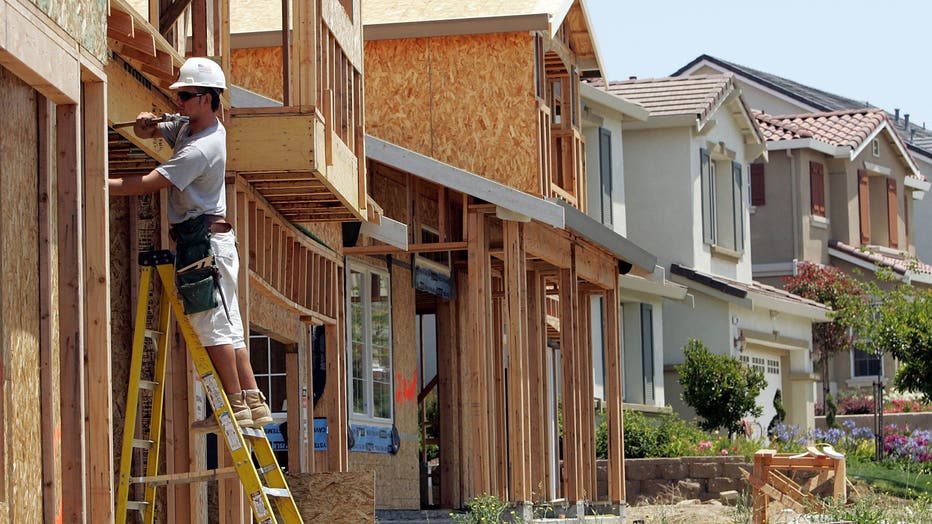
A construction worker hammers nails into the framing of a new home in a development in Richmond, California. (Credit: Justin Sullivan/Getty Images)
Researchers said the savings stemmed largely from improved building materials, stronger energy standards, and the fact that major systems such as roofs, HVAC units, and water heaters were less likely to need replacement in newer homes.
New England states show highest projected savings
Dig deeper:
The report also found significant regional differences in long-term savings.
Northern states, particularly in New England, posted the highest projected savings. Analysts attributed that trend to stricter building codes and colder climates, where improved insulation and energy efficiency have a larger financial impact during long winters.
In contrast, Southern states generally showed lower long-term savings despite leading the nation in new-home construction activity. Researchers said less stringent building regulations help keep new-home prices lower in the South, but homeowners there tend to see smaller utility savings because winters are milder and heating demands are lower.
Long-term savings associated with new build
Dig deeper:
The study also identified 16 metropolitan areas where the long-term savings associated with a newly built home were enough to overcome the initial price premium within 10 years. Most of those metros were located in the South and West, regions where strong construction activity has helped narrow the price gap between new and existing homes.
Just two cities came from the Midwest: notable college towns, Madison, Wisconsin, and Bloomington, Indiana.
The Source: Listing price data comes from listings on Realtor.com in the first quarter of 2026. Utility savings data comes from Pearl SCORE® models. This story was reported from Los Angeles.