

CRISPR technology modifies cells to fight cancer: 'Ultimate tool for manipulating life'

CRISPR, a gene-editing technology could change cancer fight forever
A molecular tool that makes it possible to modify specific cells, CRISPR, short for Clustered Regularly Interspaced Short Palindromic Repeats has been seeing shocking developments in the ongoing fight against cancer.
COLD SPRING HARBOR, N.Y. - A new technology is making it possible to modify specific cells to help fight cancer.
Scientists at Cold Spring Harbor Laboratory, located on Long Island, have been applying CRISPR, short for Clustered Regularly Interspaced Short Palindromic Repeats, to the discovery of new cancer targets to develop medicine to fight the deadly disease.
This molecular tool has been recognized in the medical community for its work in editing the DNA cells of people, plants and animals.
"CRISPR is, simply put, the ultimate tool for manipulating life," Dr. Chris Vakoc, a professor at Cold Spring Harbor Laboratory, told Fox 5.
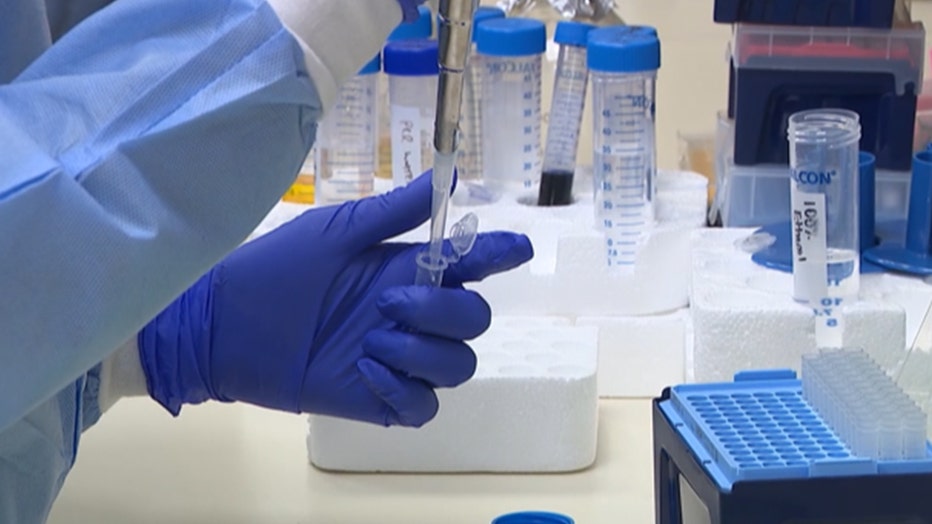
Scientists at Cold Spring Harbor Laboratory apply CRISPR to the discovery of new cancer targets to develop medicine to fight the deadly disease.
Vakoc and other scientists in New York are calling it a revolution in progress.
"You think of antibiotics as medicines you can take to melt away bacterial infection," Vakoc continued, adding, "We’re trying to do the same but for cancers."
Fox 5 first visited the laboratory in 2018 when CRISPR was emerging, and Vakoc says since then, a lot has changed for the better.
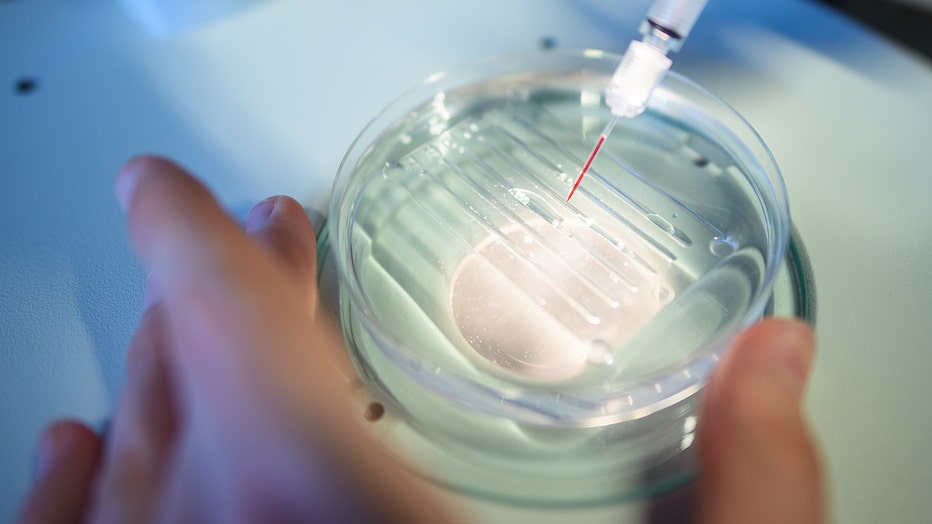
A researcher performs a CRISPR/Cas9 process at the Max-Delbrueck-Centre for Molecular Medicine. Photo: Gregor Fischer/dpa (Photo by Gregor Fischer/picture alliance via Getty Images)
"CRISPR 5-years-ago involved, kind of, cutting out pieces of DNA in a very precise way," he said. "Now what we’re doing is really subtly changing the letters of DNA, and it allows us to get a more refined understanding of cancer biology."
RELATED: Modifying cancer cell genomes | The Big Idea
While Vakoc grows cancer in a lab setting instead of working with patients, he said he is able to apply CRISPR to reveal vulnerabilities.
"We manipulate molecules in cancer cells and go hunting for these rare vulnerabilities that make cancer cells different from normal cells," he continued.
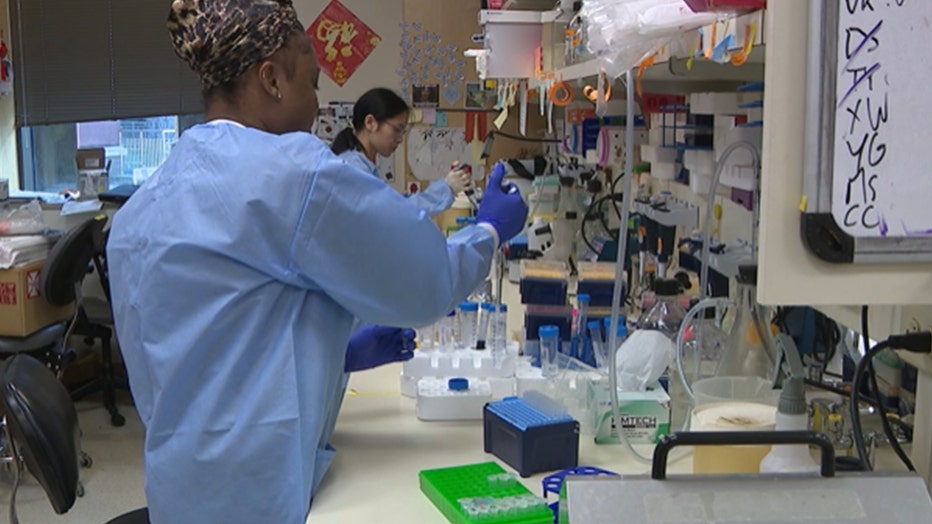
Scientists apply CRISPR at Cold Spring Harbor Laboratory.
So far, scientists have had amazing breakthroughs growing cancer cells in the lab. When it comes to long-term aspirations of biomedical research the goal is to cure genetic disease and people by applying CRISPR safely.
Xiaoli Wu, a research scientist who spends six days a week in the lab, said that finding a cure for cancer is a commitment.
RELATED: Colorectal cancer is showing up in younger people and at more advanced stages: study
"It’s like cooking," she explained. "You have a recipe and then you change the recipe to make the meal look better."
A recent development out of University College London sheds light on CRISPR treating patients with blood cancer. A 13-year-old patient was the first in the world reported to have received a base-edited cell therapy to achieve leukemia remission. The approach known as CAR-T manipulates normal immune cells in a way to trick your system into rejecting cancer cells.
Advances in CRISPR are also underway at Hackensack Meridian Center for Discovery and Innovation in New Jersey where scientist Dr. Ben Tycko uses the tool to model mutations as tumors progress in several types of human cancers.
"I would say it’s on the way to become mainstream medicine," he said. "We’re all impacted by cancer, either ourselves or in our families, so this is very important."
As technology becomes more precise and robust, scientists vow to continue the crusade, paving a path in modern medicine.
"I would say in my lifetime we will see diseases cease to exist because of CRISPR technology," Vakoc said.