

Epstein victims blast DOJ for releasing nude photos, names in file dump
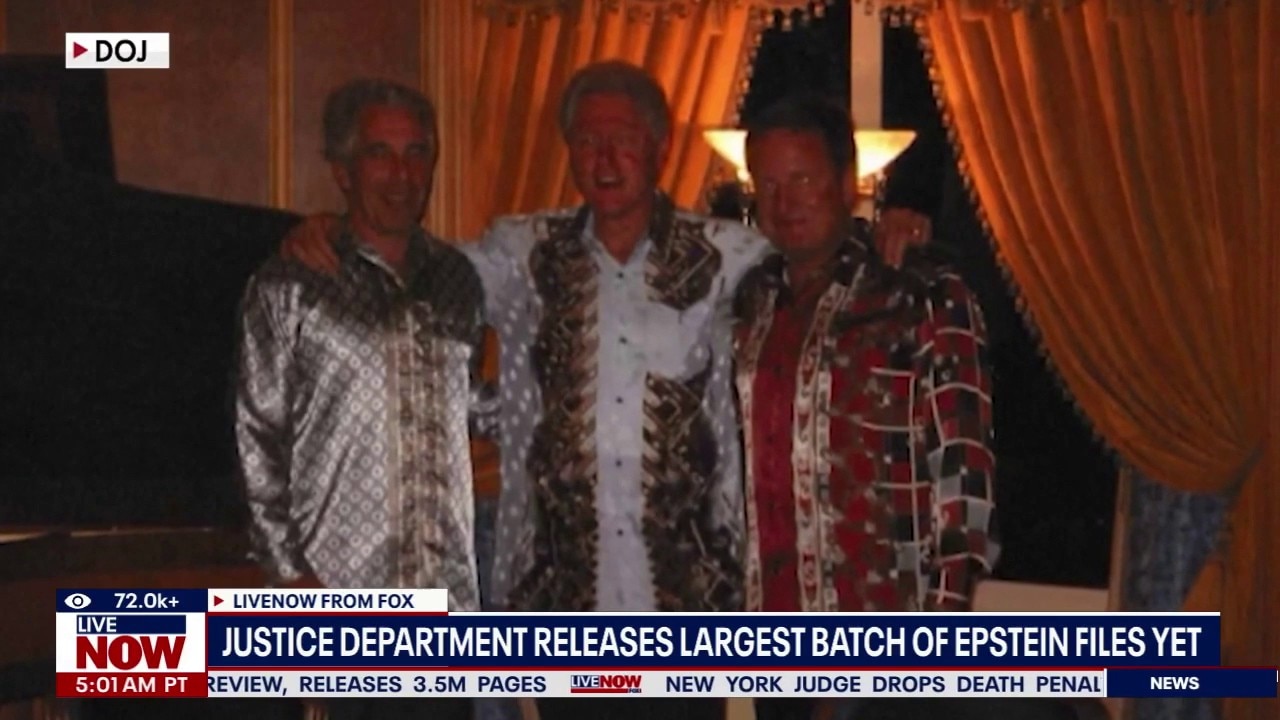
DOJ releases largest batch of Epstein files
Three million pages from the Justice Department's files on the late sex offender Jeffrey Epstein were made public on Friday. Trial Attorney Kelly Hyman weighs in.
The trove of Jeffrey Epstein documents released Friday by the U.S. Justice Department included nude photos, names, faces, bank accounts and Social Security numbers of Epstein’s victims.
The files were released to comply with a law that required the federal government to make Epstein’s case documents public, but the redactions meant to protect his victims have been sloppy, inconsistent or nonexistent. Their names were supposed to be blocked out. Their faces and bodies were supposed to be hidden.
Despite the Justice Department’s efforts to fix the blatant oversights, nude photos remained on the site – in full view – as of Wednesday evening.
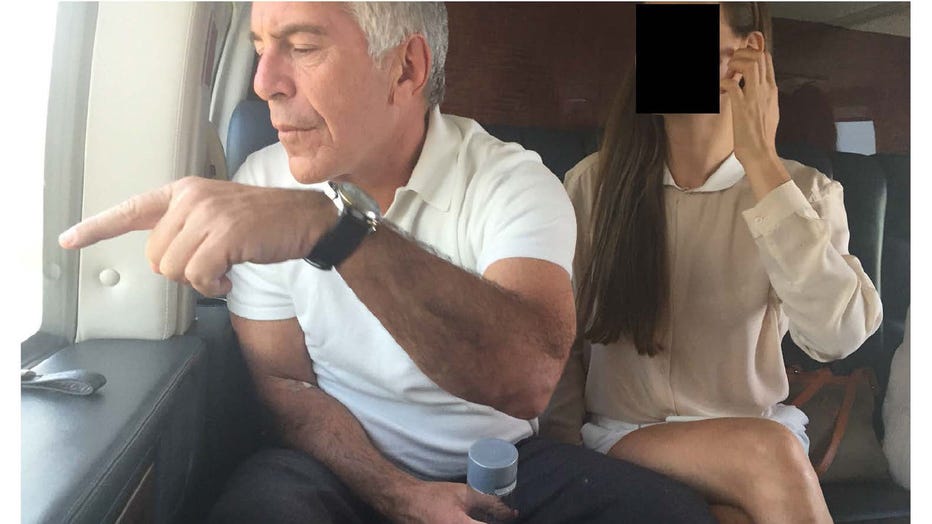
New photos from Jeffrey Epstein's estate (House Oversight Democrats)
What’s in the Epstein files?
Big picture view:
There were plenty of lewd details and high-profile men mentioned in the Epstein files, including President Donald Trump, former President Bill Clinton, the former Prince Andrew, Microsoft founder Bill Gates and many more.
RELATED: Epstein files latest: Victims complain of death threats as government says it's fixing redactions
But also mentioned in the files were the names of several of Epstein’s victims, including some who have never stepped forward to identify themselves publicly. A photo of one girl who was underage when she was hired to give sexualized massages to Epstein in Florida appeared in a chart of his alleged victims.
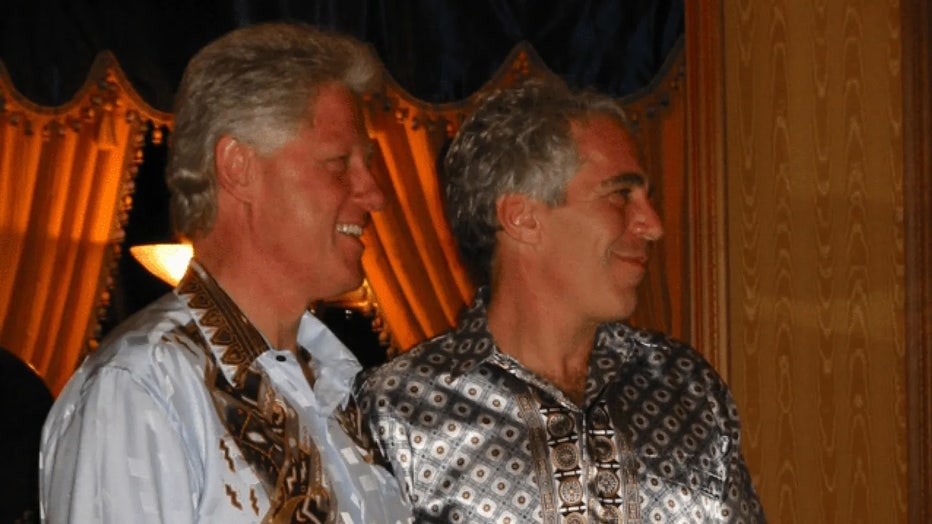
Former President Bill Clinton was seen in photos with Jeffrey Epstein as part of a DOJ Epstein files release on Friday, Dec. 19. (Department of Justice)
The Justice Department was supposed to limit redactions only to victims and their families, though in many documents the names of other people were also blacked out, including lawyers and public figures.
RELATED: Clintons agree to testify before Congress in Epstein probe, chief of staff says
The backstory:
Epstein, a wealthy financier, was known for socializing with celebrities, politicians, billionaires and the academic elite, including Trump and Clinton. He was first accused of sexually abusing underage girls in 2005, but Epstein made a secret deal with the U.S. attorney in Florida to avoid federal charges. In 2019, Manhattan federal prosecutors revived the case and charged Epstein with sex trafficking. He killed himself in jail a month after his arrest.
Epstein, with help from his longtime friend and former girlfriend Ghislaine Maxwell, sexually abused at least 1,000 women and children, according to USA Today. Maxwell is serving a 20-year prison sentence for helping recruit some of his underage victims.
RELATED: Ghislaine Maxwell case: Judge grants request to unseal case records
What they're saying:
"The failure here is not merely technical," Brittany Henderson, one of the lawyers for the victims, said in a statement Wednesday. "It is a failure to safeguard human beings who were promised protection by our government. Until every document is properly redacted, that failure is ongoing."
Annie Farmer, who said she was 16 when she was sexually assaulted by Epstein and Maxwell, said that while her name has previously been public, other details she’d rather be kept private, including her date of birth and phone number, were wrongly revealed in the documents.
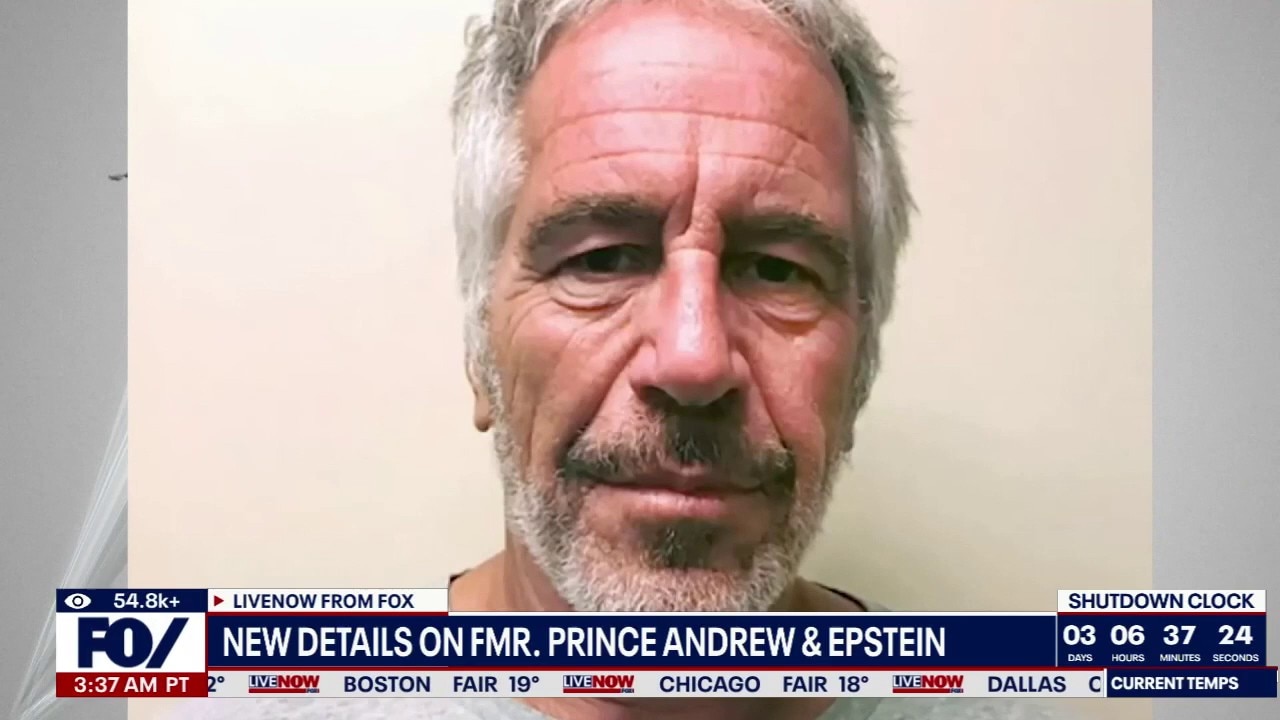
New details: Fmr. Prince Andrew & Epstein
British Prime Minister Keir Starmer has called on the former Prince Andrew to testify before Congress about his dealings with convicted sex offender Jeffrey Epstein. This comes after the latest batch of Epstein photos and messages were released last week involving the former prince. UK-based Journalist Josh Rom has the details.
"At this point, I’m feeling really most of all angry about the way that this unfolded," she told NBC News. "The fact that it’s been done in such a beyond careless way, where people have been endangered because of it, is really horrifying."
DOJ blames technical errors
The other side:
The Justice Department has said technical or human errors are to blame. DOJ also said it has taken down many of the problematic materials and is working to republish properly redacted versions.
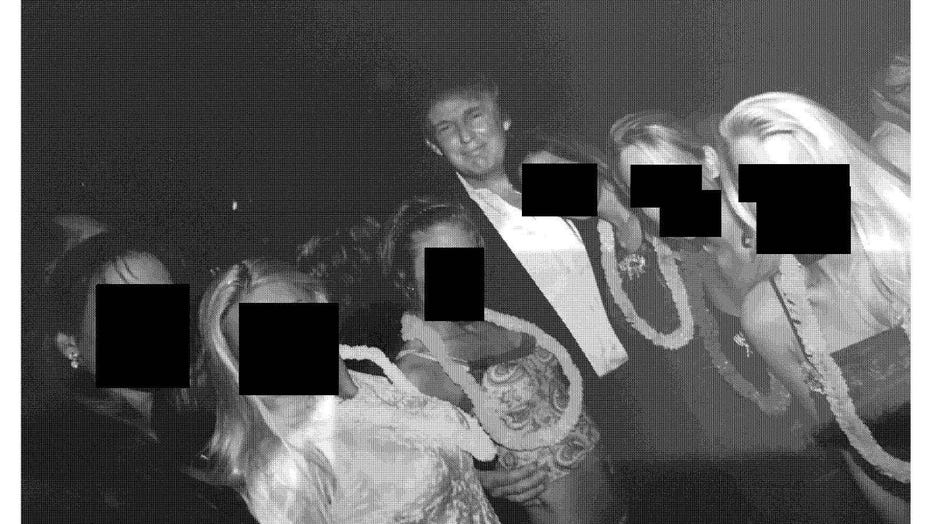
Photos from Jeffrey Epstein's estate released on Dec. 12 show President Donald Trump, former President Bill Clinton and other powerful men. (House Oversight Democrats)
The agency pointed to the 30-day deadline as the main reason for the errors. President Donald Trump signed the Epstein Files Transparency Act on Nov. 19. That law gave the Justice Department just 30 days to release the files. It missed that deadline, in part because it said it needed more time to comply with privacy protections.
Hundreds of lawyers were pulled from their regular duties, including overseeing criminal cases, to try and complete the document review — to the point where at least one judge in New York complained that it was holding up other matters.
What's next:
Some victims have called for the Justice Department to take down the site and appoint an independent monitor to prevent further errors.
The Source: This article includes information from the Department of Justice, The Associated Press and previous FOX Local reporting.