

How Trump's tariffs will impact lumber prices and the housing market

Trump grants tariff pause for top automakers
Al Root with Barron's joins LiveNOW's Andrew Craft to discuss the latest on President Trump's tariffs as U.S. automakers were granted a one-month exemption.
President Donald Trump's tariffs have caused a rise in lumber prices, which homebuilders have warned will increase construction costs and translate into more expensive housing for U.S. consumers.
Lumber prices hit their highest level in two-and-a-half years this week and lumber futures are up more than 14% year to date as of Wednesday amid worries over tariffs. Those developments come after Trump signed an executive order earlier this week launching a national security investigation into "vulnerabilities in the wood supply chain from imported timber, lumber, and their derivative products being dumped onto the United States market."
That investigation could result in higher anti-dumping tariffs on Canadian lumber being imposed later this year. That would be in addition to the 14.5% anti-dumping and anti-subsidy tariff on Canadian softwood lumber that was in effect prior to Trump returning to the White House in January, and the 25% tariff on Canadian imports, including lumber, that took effect on Tuesday. Taken together, that pushed the overall tariff on Canadian lumber to nearly 40%.
Though Trump has also issued an executive order to expand domestic logging, the higher tariffs on Canada — the dominant source of U.S. lumber imports — have raised concerns among homebuilders about higher materials costs impacting the affordability of housing for Americans.
TRUMP ISSUES EXECUTIVE ORDERS ADDRESSING LUMBER PRODUCTION, NATIONAL SECURITY CONCERNS
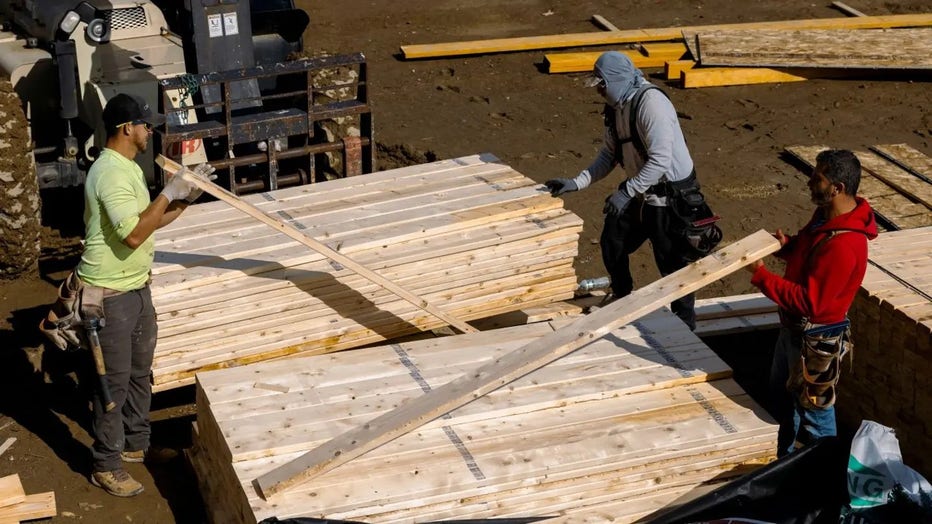
Homebuilders are warning that President Donald Trump's tariffs on Canadian lumber will raise costs for homebuyers. (Angus Mordant/Bloomberg via Getty Images)
The National Association of Home Builders (NAHB) noted that the U.S. imported about $8.5 billion in sawmill and wood products in 2023, with nearly 70% of those imports (or $5.8 billion) coming from Canada.
NAHB Chairman Carl Harris issued a statement on Trump's tariffs that read: "On President Trump's first day in office, he issued an executive order directing departments and agencies to deliver emergency price relief by pursuing actions to lower the cost of housing and increase housing supply. This move to raise tariffs by 25% on Canadian and Mexican goods will have the opposite effect."
"Tariffs on lumber and other building materials increase the cost of construction and discourage new development, and consumers end up paying for the tariffs in the form of higher home prices," Harris explained, adding that the Trump administration should reconsider the tariffs and instead eliminate barriers that make housing more costly and constrain production.
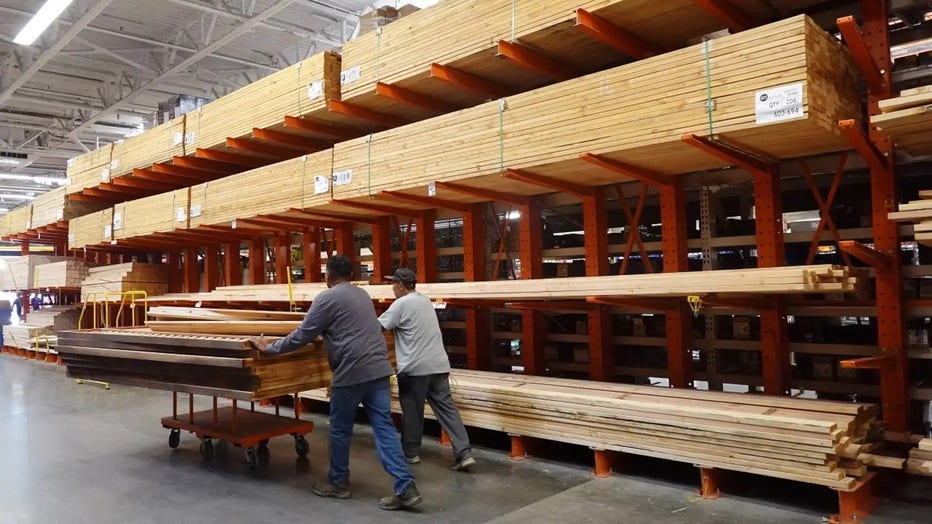
Canada is the source of about 70% of U.S. lumber imports, exposing the homebuilding industry to higher costs. (Mario Tama/Getty Images)
The Federal Reserve's Beige Book — a regular report that examines current economic conditions around the country through the Fed's 12 regional districts as well as a national summary — was published on Wednesday and included comments that highlighted businesses' concerns about higher lumber costs due to tariffs.
"Construction activity declined modestly for both residential and nonresidential units. Some contacts in the sector also expressed nervousness around the impact of potential tariffs on the price of lumber and other materials," the Fed's national summary noted.
TRUMP'S EXECUTIVE ORDER TO RAMP UP US TIMBER PRODUCTION HAILED AS A WIN BY LOGGING INDUSTRY LEADER
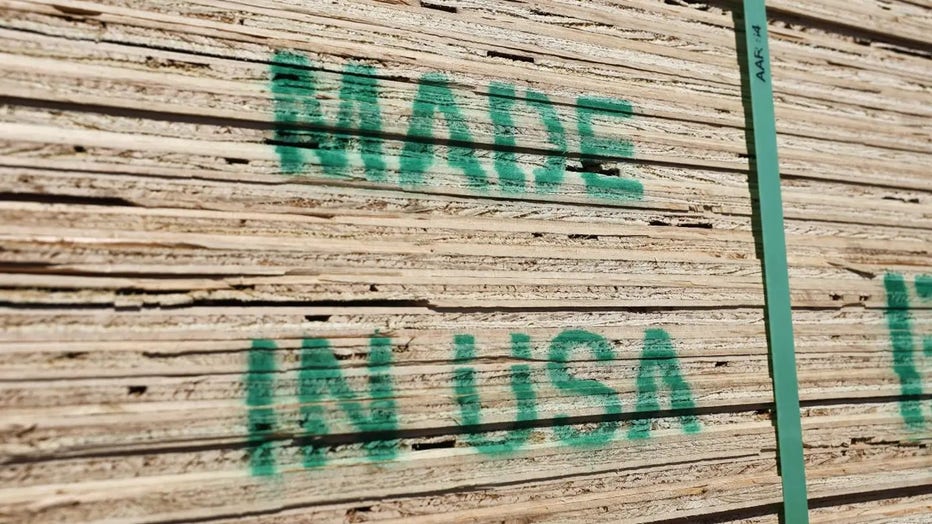
President Donald Trump issued an executive order aimed at expanding domestic lumber production, though it's unclear how soon that could impact supplies. (Mario Tama/Getty Images)
Four of the 12 regional banks — including Richmond, Virginia; St. Louis; Kansas City; and San Francisco — referenced concerns over higher prices for lumber and other building materials in February as they anticipated tariffs taking effect.
"Contacts in residential real estate construction highlighted discussions of escalation clauses during negotiations in recent weeks, as builders and investors sought protections from anticipated materials cost growth in lumber and metals, which they attributed to changes in trade policy," the Kansas City Fed's summary explained.
"Similarly, lenders reported they became more attentive to risks associated with potential increases in materials costs during their underwriting process," it added.
LINK: Get updates on this story and more at foxbusiness.com.