

Death toll surpasses 3,000, Iranian official says
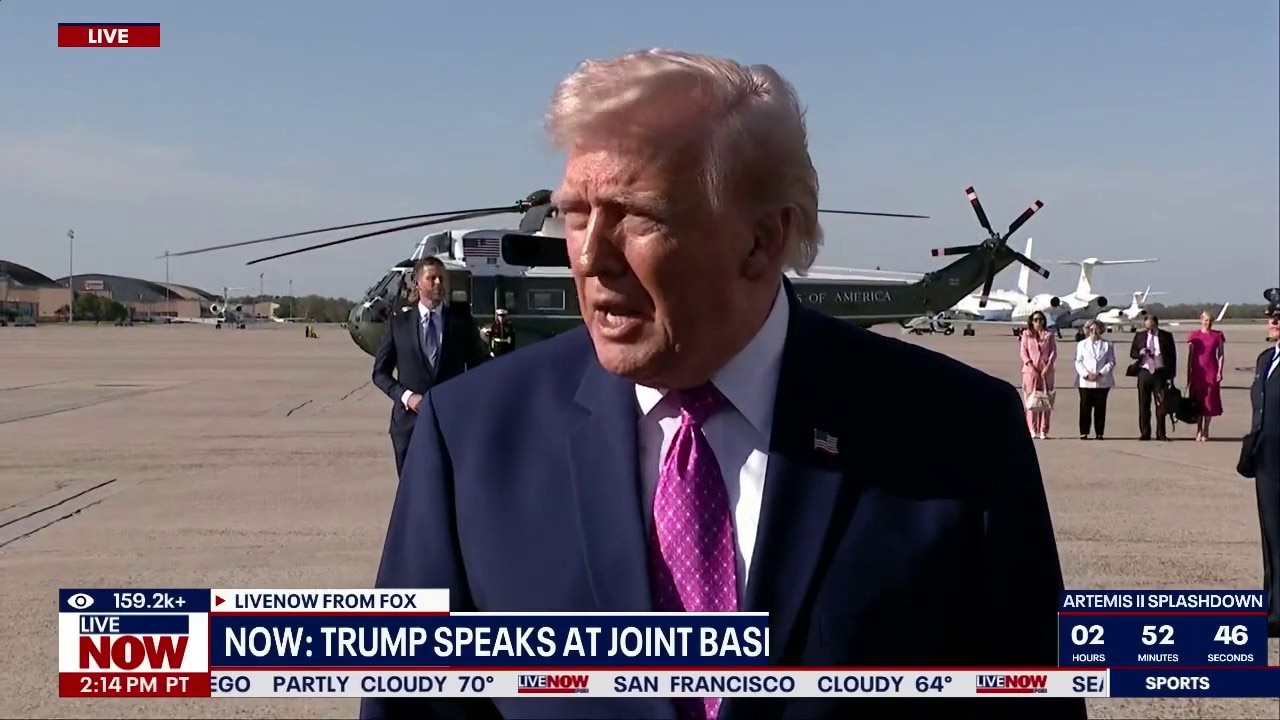
Trump speaks on Iran ceasefire, weekend talks in Pakistan
President Donald Trump briefly took questions from reporters Friday as he boarded Air Force One for a fundraiser in Virginia.
President Donald Trump appeared skeptical about the durability of the ceasefire, referencing Iran's continued hold on shipping through the Strait of Hormuz.
Kuwait accused Iran of carrying out drone strikes in violation of the truce. Iran's Revolutionary Guard denied launching any attacks on the Gulf states.
Israeli Prime Minister Benjamin Netanyahu said he had authorized direct negotiations with Lebanon. His announcement followed Israel's heavy bombardment of Beirut on Wednesday which left more than 300 dead.
The issues on the location of Iran's enriched-uranium stockpile, timeline for restoring normal shipping through the Strait of Hormuz, and Iran's future for missile launches remain unresolved.
Iranian and U.S. officials are set to begin discussions aimed at resolving the conflict on Saturday in Islamabad. According to the White House, Vice President JD Vance will lead the American delegation.
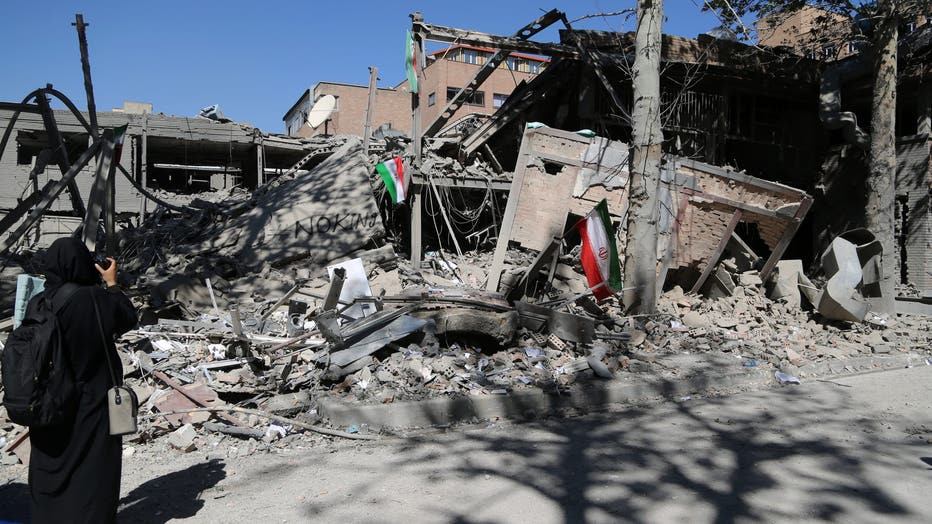
A general view of the destruction at the Sharif University of Technology, targeted by the US and Israel, on April 07, 2026 in Tehran, Iran. (Photo by Fatemeh Bahrami/Anadolu via Getty Images)
Here's a look back at what happened on Friday:
Trump responds on social media
12:30 p.m. ET: Vice President J.D. Vance is traveling to Islamabad Friday with special envoy Steve Witkoff and Trump’s son-in-law Jared Kushner to try and come to a final agreement with Iran after the two-week ceasefire deal was struck earlier this week.
"The Iranians don’t seem to realize they have no cards, other than a short term extortion of the World by using International Waterways. The only reason they are alive today is to negotiate!," the president wrote on his social media platform Truth Social on Friday.
Iran's two demands before negotiations begin
11:55 a.m. ET: Iran official post about two specific demands that must be fulfilled before negotiations begin.
CENTCOM release photo of US jet launching from USS Tripoli after Trump vows forces stay 'hangin' around'
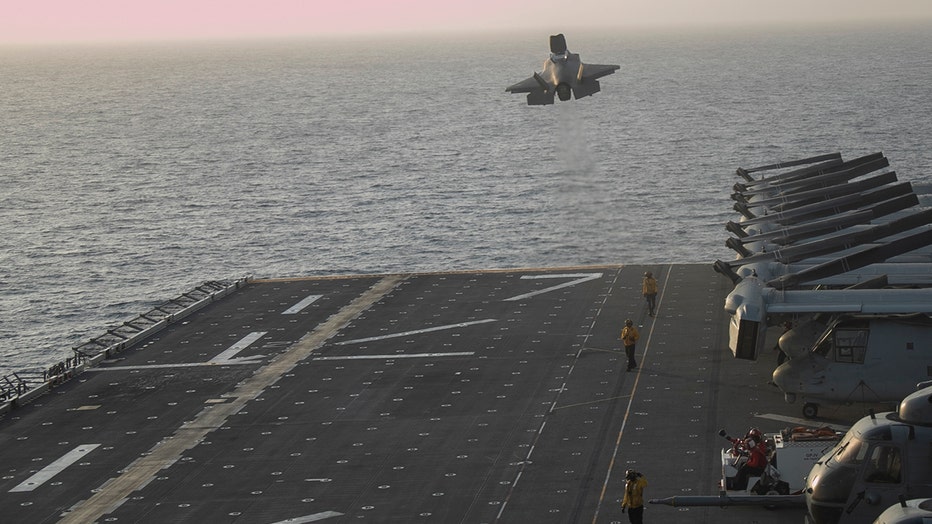
U.S. Central Command released a photo Friday, April 10 showing a U.S. Marine Corps F-35B Lightning II jet taking off from the deck of the USS Tripoli.
10:45 a.m. ET: U.S. Central Command released a photo of a U.S. Marine Corps F-35B Lightning II jet taking off from the deck of the USS Tripoli, which is one of the American ships that has been operating in the Middle East in support of Operation Epic Fury.
The photo’s release comes days after President Donald Trump said "The United States of America will be helping with the traffic buildup in the Strait of Hormuz" and "We’ll be loading up with supplies of all kinds, and just ‘hangin’ around’ in order to make sure that everything goes well."
Vance leaves for Pakistan
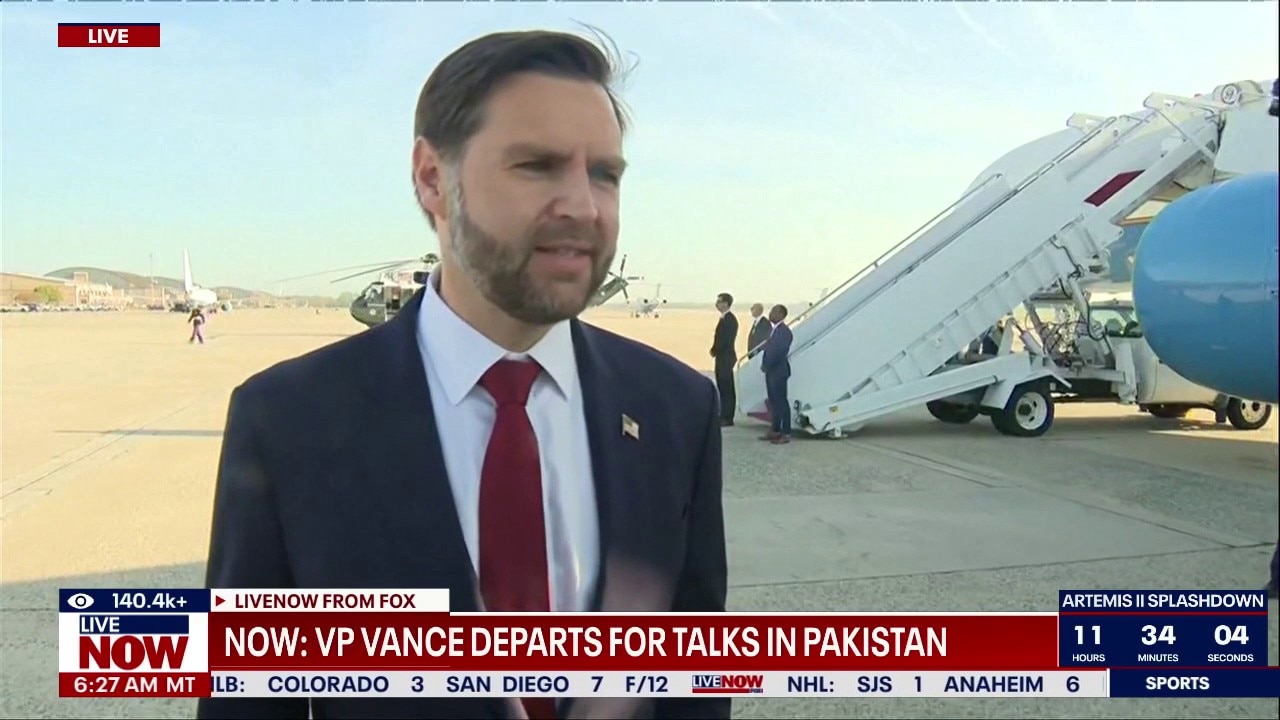
Iran latest: Vance speaks ahead of talks in Pakistan
Vice President JD Vance spoke ahead of talks in Pakistan. Vance spoke to reporters about negotiations. He said if the Iranians are willing to negotiate in good faith the U.S. would extend the good hand.
9:15 a.m. ET: Vice President JD Vance boarded Air Force Two on his way to Pakistan for in-person peace talks with Iran.
Vance spoke of the outlook of the negotiations, believing they would be ‘positive’, saying the president gave them "clear guidelines" on how the talks should go.
"We’re looking forward to the negotiation. I think it’s gonna be positive. We’ll, of course, see," Vance said. "If they’re gonna try and play us, then they’re gonna find that the negotiating team is not that receptive."
Over 3,000 people killed in the war
6:35 a.m. ET: A top Iranian medical official noted the official death toll to be over 3,000 people since the war began.
The head of Iran's Legal Medicine Organization told the state-run Iran daily newspaper, "more than 3,000 people were killed in enemy attacks."
He did not break down the number of civilian versus military casualties. No definitive death toll has been provided by the Iranian government.
Ceasefire deal remains shaky
Dig deeper:
After declaring victory with the ceasefire announcement, both Iran and the U.S. appeared to be at odds with what the finer details of the deal actually were.
Semiofficial news agencies in Iran suggested forces have mined the Strait of Hormuz, a crucial waterway for oil that Tehran has closed. Trump warned that U.S. forces would hit Iran harder than before if it did not fulfill the agreement.
Trump expressed concern again Thursday over reports that Iran’s military was charging tolls on tankers passing through the strait. "They better not be and, if they are, they better stop now!" he wrote on social media.
The strait’s closure has caused oil prices to continue climbing, affecting the cost of gasoline, food and other basics far beyond the Middle East. The spot price of Brent crude, the
international standard, was around $98 Thursday, up about 35% since the war began.
Questions also remained over what will happen to Iran’s stockpile of enriched uranium at the heart of tensions, how and when normal traffic will resume through the strait, and what happens to Iran’s ability to launch future missile attacks and support armed proxies in the region.
Despite disputes over the ceasefire, it appears to have halted weeks of missile and drone attacks by Iran on its Gulf Arab neighbors and Israel, with no new launches reported Thursday. There were no reports of strikes by the U.S. or Israel targeting Iran.
The Source: The Associated Press contributed to this report. This story was reported from San Jose and Orlando.