

Permanent daylight saving time could add 2 billion dark school commutes, study finds

(Photo by Jeff Swensen/Getty Images)
Making daylight saving time permanent could mean at least 2 billion additional trips to school in the dark each year for U.S. children, according to a new University of Washington study.
The findings, published Oct. 29 in Current Biology, highlight a potential consequence of ending seasonal clock changes: More evening daylight would come at the expense of morning light during winter.
What they're saying:
"Nobody wants their kids to go to school in the dark," said senior author Horacio de la Iglesia, a University of Washington biology professor.
RELATED:
Dig deeper:
Researchers analyzed school start times, enrollment and school locations in 14 states that have approved moving to permanent daylight saving time if federal law allows it. They calculated how many school commutes would occur before sunrise and compared those totals with the current system of changing clocks twice a year.
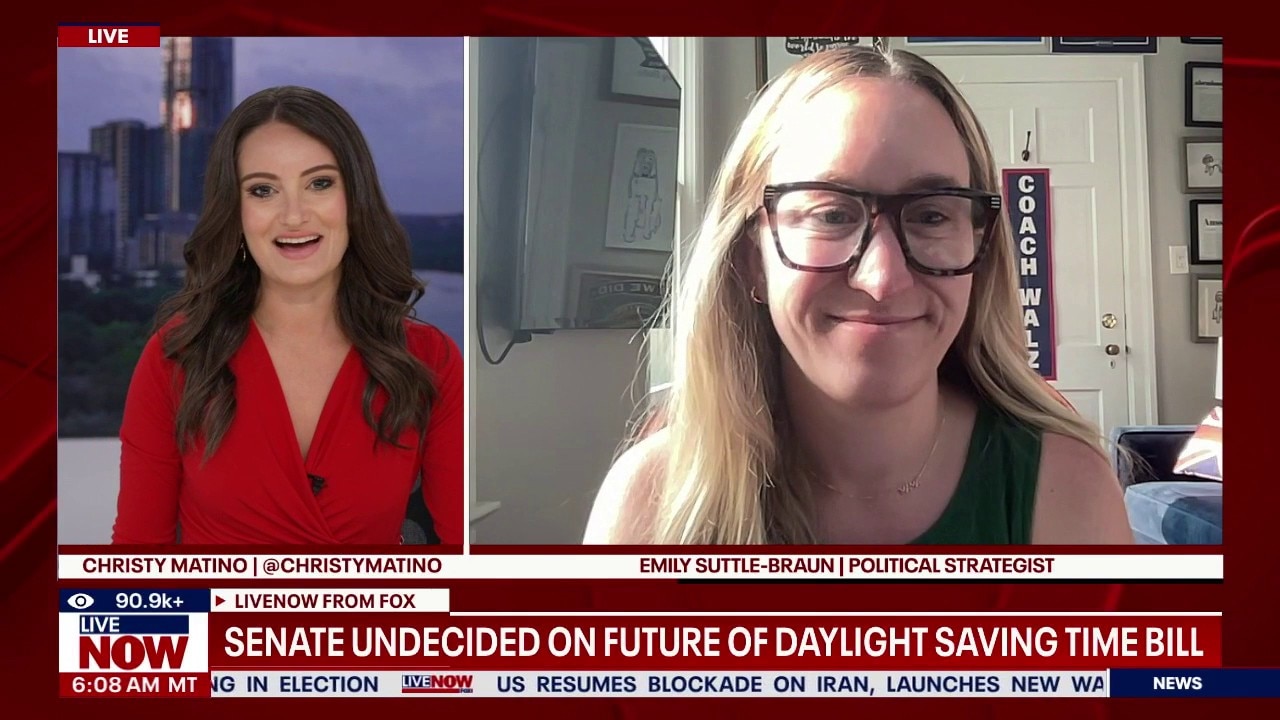
Senate undecided on future of daylight saving time bill
Senate undecided on future of Daylight Saving time. Emily Suttle-Braun, political strategist, joins LiveNOW from FOX to discuss the latest.
Why you should care:
Washington would see nearly 35 million additional dark school commutes under permanent daylight saving time. Georgia would have the largest increase among the states studied, with about 71 million additional trips.
Communities along the western edges of their time zones and districts with earlier school start times would face some of the biggest changes. In Alabama and Mississippi, dark school commutes would rise from about 2 million per state under the current system to more than 20 million each.
RELATED:
Using those findings to estimate the nationwide impact, researchers calculated at least 2 billion additional school trips before sunrise. That estimate assumed students leave home around 8 a.m.
"That’s pretty late, so our calculation is likely an underestimation of the real number," said lead author Guadalupe Rodríguez Ferrante, a University of Washington postdoctoral scholar in biology.
The team also examined U.S. traffic collision data and found that fatal crashes involving school-age pedestrians were roughly twice as likely during dark mornings as after sunrise. The finding does not establish how many additional crashes permanent daylight saving time would cause.
Researchers said morning daylight also helps regulate the body’s internal clock, which influences sleep, mood and appetite.
Big picture view:
The study comes as Congress considers the Sunshine Protection Act, which would make daylight saving time permanent and end the annual fall clock change. The House passed the bill July 14, but it remains pending in the Senate.
The Source: Information in this story came from a University of Washington news release detailing research published Oct. 29 in Current Biology. This story was reported from Los Angeles.