

Tranq: New animal tranquilizer-fentanyl mix affecting veterinarians

Tranq: New drug mix impacting veterinarians
A new drug mix called tranq has caught the attention of law enforcement. The drug, which contains an animal sedative often used by veterinarians and fentanyl, can have disturbing and sometimes deadly consequences for people. Now, some veterinarians are voicing their concerns if tranq continues to be used on streets. FOX 10's Ellen McNamara reports.
PHOENIX - A new drug called tranq has the attention of The White House and the Drug Enforcement Agency. It is a mix of an animal sedative and fentanyl. The consequences are disturbing and often deadly for people.
The tranquilizer, Xylazine, is used responsibly everyday by veterinarians, but there is concern that if tranq keeps being used on the streets, clinics could have a tougher time getting it.
Read More: DEA officials say xylazine-fentanyl mix has been found in Arizona
Veterinarian speaks out
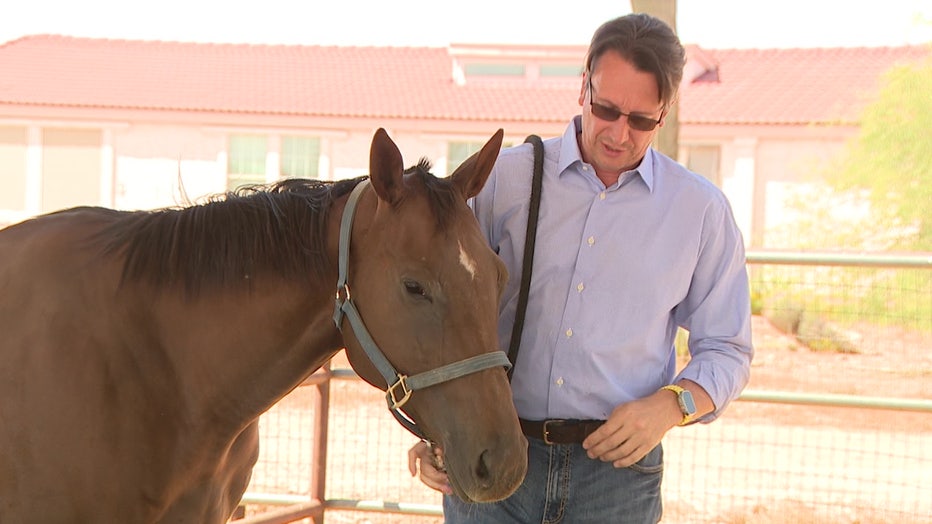
Dr. Martin Vidal
Dr. Martin Vidal grew up around horses.
"The passion for the horse became the passion for veterinary medicine," Dr. Vidal with Cave Creek Equine Sports Medicine and Surgery said.
Dr. Vidal works with the animals just about every day at his clinic.
Dr. Rachel Liepman is also on staff.
"I grew up with horses and I like medicine, so the two of them go together well," Dr. Liepman said.
The clinic typically sees about 5 to 10 horses a day. They weigh anywhere from about 1,000 to 2,000 lbs. In order to perform routine medical procedures, the doctors rely on xylazine. It is an FDA approved sedative for veterinary use only.
"We use it literally every day," Dr. Vidal said. "It’s a very important drug for us. We use it in fairly small doses. It’s quite a powerful sedative for horses."
"It’s a very common drug that we use every day for light sedation in the horse," Dr. Liepman said. "It’s good in combination with other medications to really provide a good plan of not only sedation but also pain relief."
Drug mix has horrible effects on humans
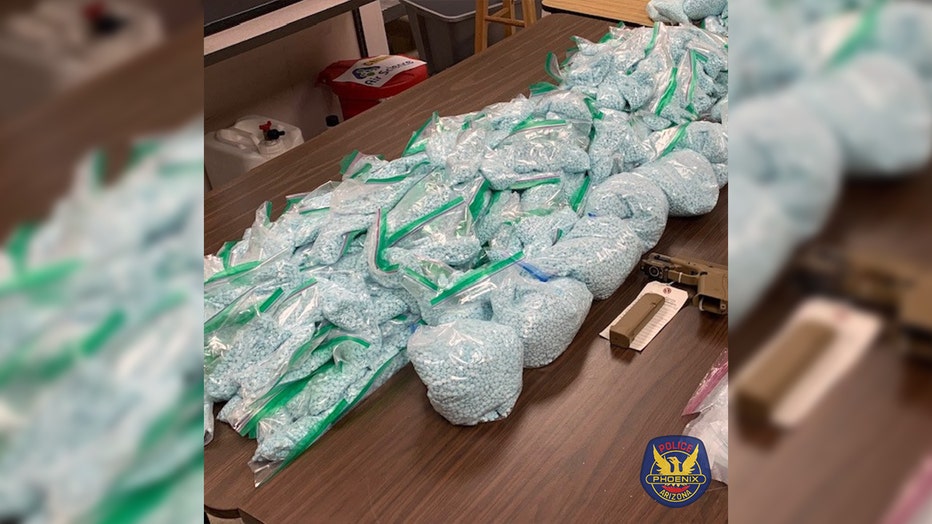
Fentanyl pills (Photo Courtesy: Phoenix Police Department)
The drug is great for horses, but horrible for humans. Combined with fentanyl, it is a double dose of danger.
"I’m surprised that it’s being abused mostly because it’s so dangerous to human health," Dr. Liepman said.
The deadly drug mix known as tranq or tranq dope is being called an emerging drug threat. Law enforcement agents are pushing to have it labeled as a controlled substance.
"I understand why they want to make it a controlled substance," Dr. Liepman said. "It is something that we use very commonly every day. So it will require more work on our end. To make sure we’re logging it properly. But to keep it out of the hands of people in the public, if that’s what needs to happen, then we’ll do what we need to do to continue to use it."
"If the drug is controlled, we have to go through some extra mechanisms to be able to make sure we account for every milliliter we use," Dr. Vidal said.
The doctors say they don’t mind more potential paperwork, but they do worry about clinics across the country becoming targets.
"I also have concerns about veterinarians being targeted by the public to get this drug," Dr. Liepman said. "I think there are a lot of big concerns with this."
According to the DEA, tranq can cause human flesh to rot, and if someone has an overdose, naloxone which can reverse an opiod overdose, won’t work.