

What is the Jones Act? Trump may waive shipping law during Iran war

U.S. dropped 5,000-lb. bombs near Strait of Hormuz
National security analyst Hal Kempfer joins LiveNOW's Austin Westfall to discuss all the latest headlines related to the war in Iran.
The Trump administration is weighing whether to suspend maritime shipping laws under what’s known as the Jones Act as the U.S. and Israel’s war against Iran continues to disrupt energy markets and supply chains.
The White House said this week that it’s looking into waiving Jones Act requirements as a temporary measure to bring down oil prices and stop cargo disruptions. Here's the latest:
What is the Jones Act?
The backstory:
Passed in 1920, the Merchant Marine Act of 1920, known as the Jones Act, requires that goods transported between U.S. ports be moved on U.S.-flagged vessels. It was sponsored by Sen. Wesley Jones of Washington state in an effort to rebuild U.S. shipping after German U-boats decimated America’s merchant fleet during World War I.
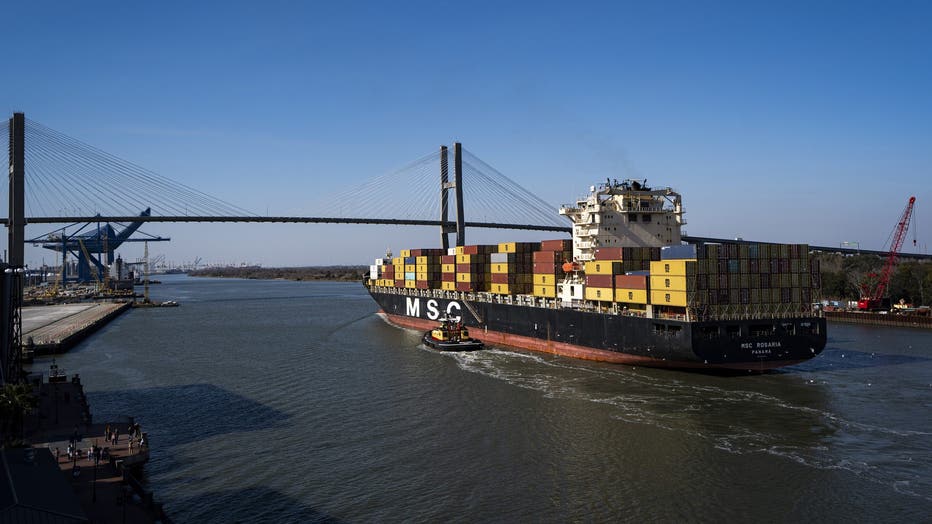
FILE - The container ship MSC ROSARIA floats on the Savannah River while arriving at the Port of Savannah on February 13, 2026 in Savannah, Georgia. (Photo by Al Drago/Getty Images)
Under the Jones Act, ships carrying cargo and passengers between U.S. ports must be built in the United States and owned by Americans — essentially barring foreign-flagged ships from this domestic trade. The vessels are also required to carry U.S. crews.
LIVE UPDATES: Iran confirms security chief killed amid launch of more strikes
The law was also meant to ensure that the U.S. had its own merchant fleet in case of war.
In the "interest of national defense," the Jones Act can be waived either through the Homeland Security or Defense Department.
Jones Act criticisms
Dig deeper:
The law is supported by some U.S. shipping companies, national security advocates and organized labor — but it's also been criticized for slowing cargo shipments, particularly during times of crisis, and making gas more expensive.
Eliminating foreign competition has also driven up the cost of carrying cargo domestically. U.S.-flagged ships are generally more expensive to both operate and build than foreign ones. And those costs are especially damaging to states and territories that are supplied by sea, such as Hawaii and Puerto Rico.
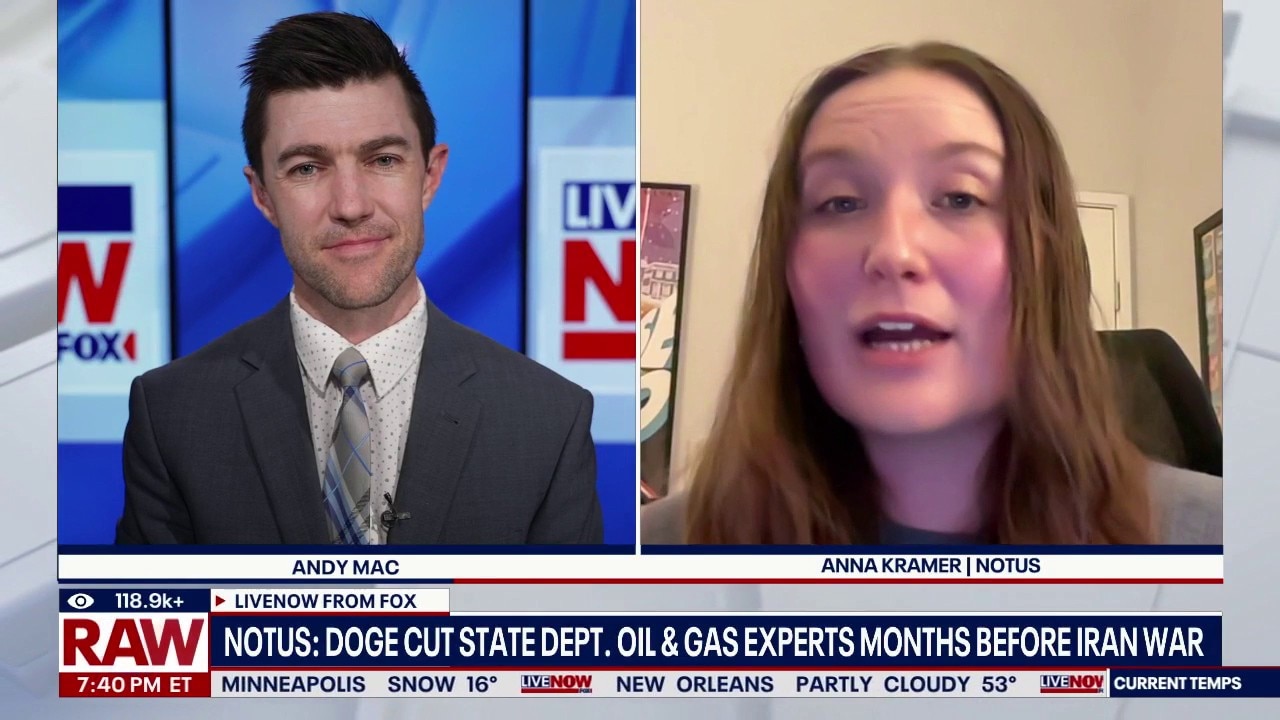
DOGE cut State Dept. oil experts months ago, report says
NOTUS reporter Anna Kramer joins LiveNOW's Andy Mac to discuss details of her exclusive story, which dives into the State Department's cuts of oil and gas experts months before the conflict in Iran.
Why does Trump want to waive the Jones Act?
Big picture view:
The U.S.-Israeli attacks on Iran have effectively stopped oil tanker movement in the Strait of Hormuz – where 20% of the world’s oil passes through daily – and led major producers to cut oil production in the Middle East. Commercial ships carrying cargo like pharmaceuticals and computer chips are also stalled in the region.
RELATED: Some lawmakers call for federal gas tax suspension
By the numbers:
As of Wednesday, crude oil was trading around $100 a barrel, up from roughly $70 before the war began. In the U.S., the national average for a gallon of gas was $3.84 on Wednesday, according to AAA.
What they're saying:
In an interview on Fox News Radio, President Trump called the Jones Act a "restrictive act" but also acknowledged it has "tremendous support" in Congress.
RELATED: Cruise lines hit by fuel cost surge as oil jumps on Iran tensions
"We’ll take a look at everything," Trump said when reporters asked him about the Jones Act Friday.
Timeline:
The White House has not given a timeline for when the Jones Act may be waived.
Will it help?
The other side:
The American Maritime Partnership, the nation's largest maritime industry trade group, said it is "deeply concerned" about the potential Jones Act waiver.
"We are deeply concerned about this 60-day, broad waiver being abused and unnecessarily displacing American workers and American companies," the group said in a statement. "The law sets a high bar: this waiver exists solely to address an immediate threat to military operations, not to displace American workers or reward foreign operators. Every vessel movement under this waiver must be publicly disclosed and justified, according to federal law. We will be watching closely — and so will the American public.
RELATED: Iran warns $200 oil barrels are coming: report
"We also reiterate that this waiver will not reduce gas prices. The maximum potential impact of domestic shipping on the cost of gasoline nationwide is less than one penny per gallon."
The Center for American Progress estimates that waiving the Jones Act would decrease East Coast gas prices by three cents, but potentially raise costs on the Gulf Coast. The move "would also sideline American shipbuilders and workers and allow the oil industry to continue to profit from high prices while reducing transport costs," the research and policy think tank said Friday.
Dig deeper:
If the Jones Act is suspended, it would be one of a few steps world leaders are taking to ease rising oil prices. Last week, the Treasury Department announced it would free up Russian oil from U.S. sanctions for its war on Ukraine for a month. The U.S. also gave India temporary permission to buy Russian oil.
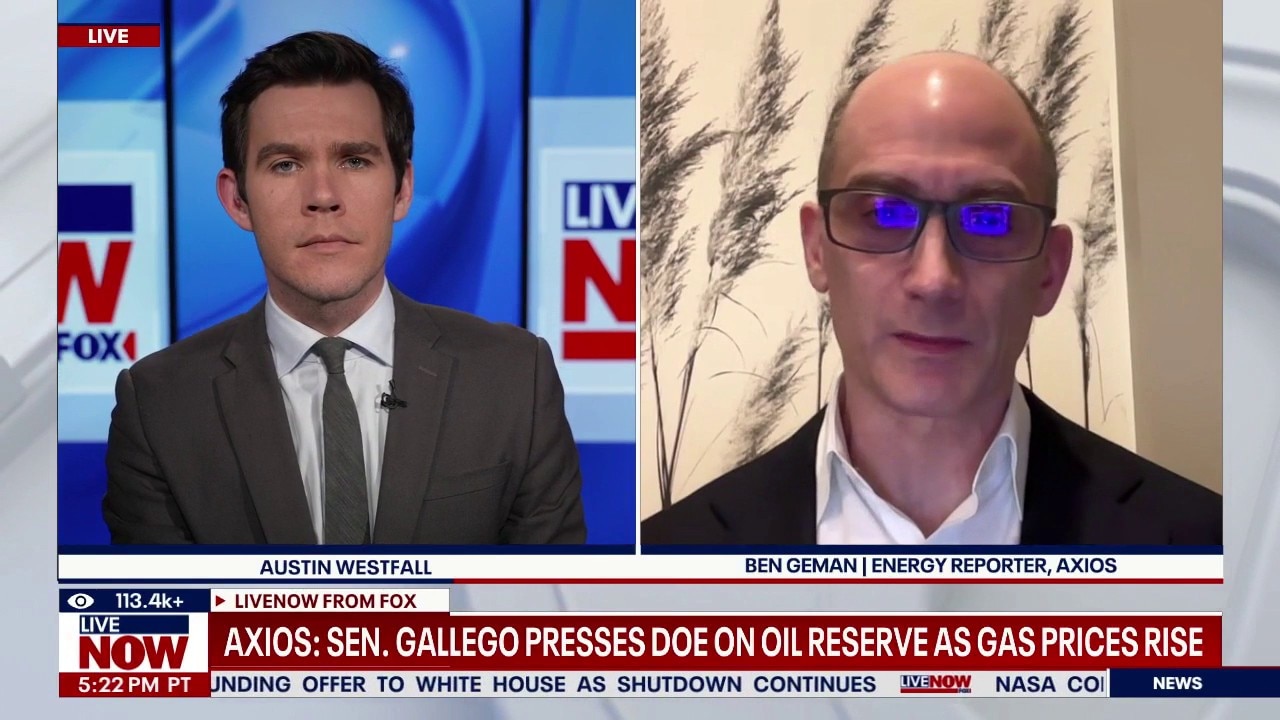
RPT: Gallego presses Energy Dept on oil reserve plans
We are hearing new details being reported by Axios that show how Sen. Ruben Gallego of Arizona is pushing the Energy Department for details on plans to provide oil from the Strategic Petroleum Reserve as gas prices rise. According to the exclusive reporting, the Energy Department is working to distribute 172 million barrels of crude from the nation's strategic oil reserves. LiveNOW’s Austin Westfall is speaking with Ben Geman, an energy reporter at Axios, as President Donald Trump works to tamp down public concern about pump prices.
Earlier this week, the International Energy Agency pledged to release 400 million barrels of oil available from its member nations’ stockpiles, the largest volume of emergency oil pulled in the organization’s history. Trump said the U.S. would pull 172 million barrels from its Strategic Petroleum Reserve over 120 days as part of the IEA's effort.
Still, analysts maintain the release will be a short-term solution – and prices could increase even more if the war doesn’t end soon.
The Source: This report includes information from The Associated Press.