

Wireless prices fall despite inflation, report finds
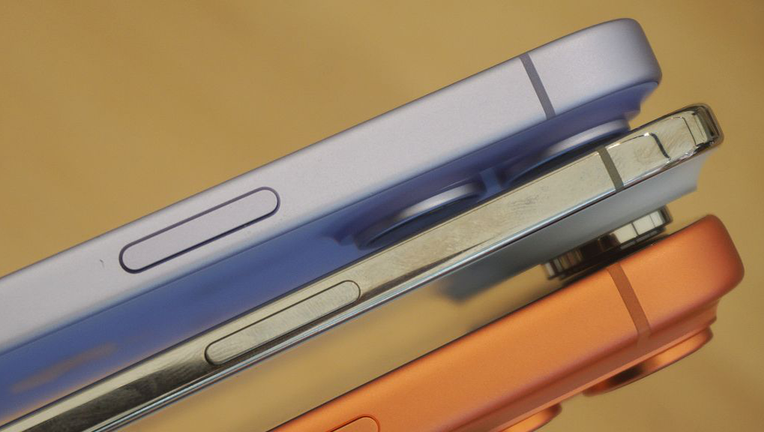
(Photo by Dai Aochen/VCG via Getty Images)
Even as inflation pushes up the cost of most goods and services, U.S. wireless prices are falling—delivering faster speeds, more data and greater value to consumers at a lower cost, according to CTIA’s 2026 Wireless Affordability Tracker.
By the numbers:
According to the analysis, wireless prices are falling across the board. Postpaid unlimited plans dropped 10 percent in the past year and nearly 35 percent over the last five years, after adjusting for inflation.
RELATED: Supreme Court to weigh legality of geofence warrants in Virginia bank robbery case
Federal data underscores just how much more affordable wireless has become. The Bureau of Labor Statistics’ Consumer Price Index shows wireless service prices declined 4.1 percent over the past year and 19 percent over the past decade. By comparison, overall consumer prices rose 2.7 percent last year and 37 percent over ten years.
As a result, wireless makes up a shrinking share of household budgets. The average bill now accounts for just 1.7 percent of Americans’ total spending, according to BLS consumer expenditure data.
Big picture view:
Wireless costs make up a relatively small share of household budgets compared to major expenses like food, housing and transportation. That share has shrunk by more than 15 percent since 2020, meaning that while Americans are paying more for essentials like gas and groceries, they’re paying less for wireless service.
At the same time, performance keeps improving. Download speeds increased 51 percent last year, and Americans used more than 32 percent additional mobile data. As a result, the effective price per gigabyte fell by more than 21 percent in the past year and is down 40 percent over the last two years.
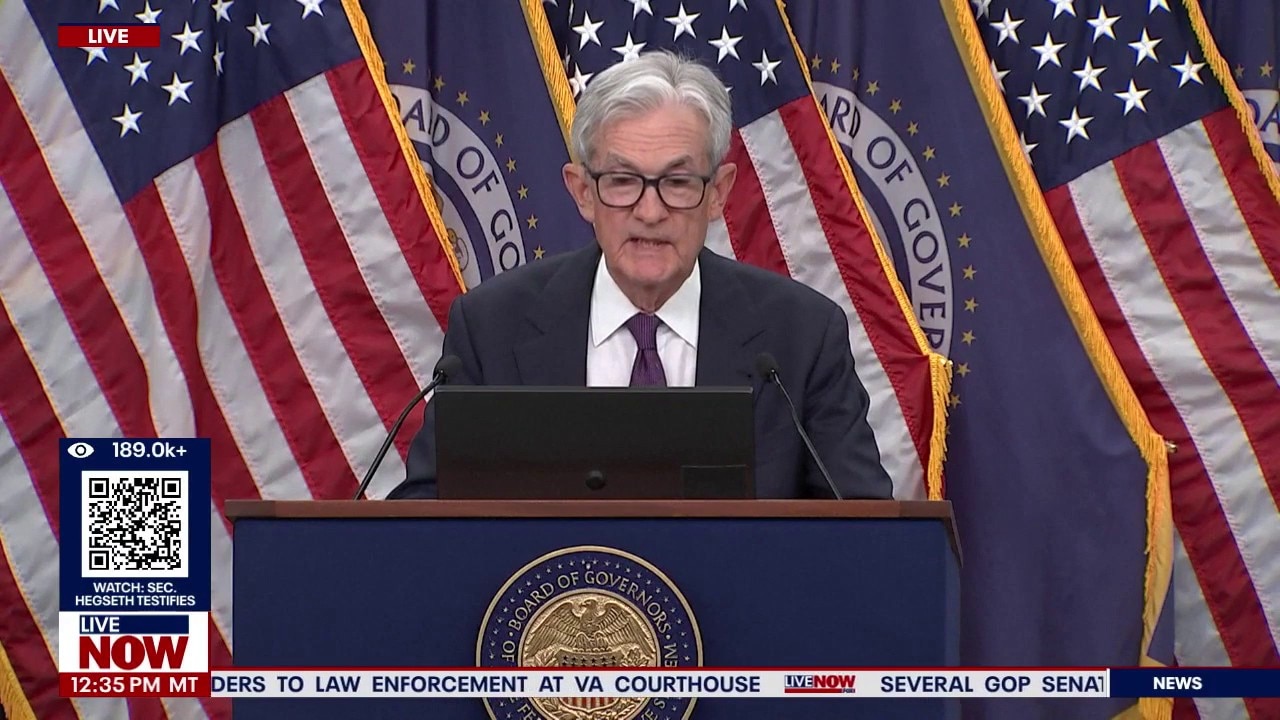
Federal Reserve leaves interest rate unchanged
Federal Reserve Chair Jerome Powell on Wednesday delivered remarks after the Fed left interest rates unchanged. During the press conference, Powell said he plans to remain on the board of the Federal Reserve
RELATED: Who is John Ternus, Apple's CEO replacement for Tim Cook?
However, taxes and fees continue to climb. Excise taxes and government surcharges now account for a record 27.6 percent of the average wireless bill, rising faster than many other forms of taxation and placing a heavier burden on lower-income households that often rely on wireless as their primary connection. These costs vary widely by location—for instance, a Chicago family paying $100 a month for wireless service would owe nearly $36 monthly, or more than $430 annually, in taxes and fees.
Why you should care:
Researchers said in an economy where most prices are rising, wireless stands apart—delivering lower costs alongside faster speeds and more data.
RELATED: Amazon Fire stick TV lawsuit: Are you affected? Here’s what to know
When policymakers expand access to spectrum and support investment through streamlined infrastructure policies and a light regulatory touch, the results are clear: continued innovation, stronger competition and tangible benefits for American consumers.
The Source: The information in this story comes primarily from CTIA’s 2026 Wireless Affordability Tracker, which analyzes advertised wireless plans and industry trends, along with federal data from the Bureau of Labor Statistics, including the Consumer Price Index and Consumer Expenditure Surveys, to measure pricing, inflation and household spending patterns. This story was reported from Los Angeles.