

Arizona reports 619 additional coronavirus cases, 4 more deaths
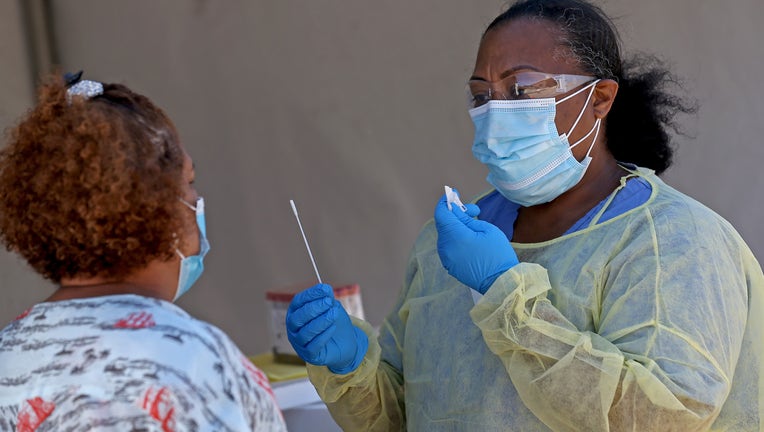
MATTAPAN, MA. - AUGUST 20 Morayma Harvey RN from East Boston Neighborhood Health Center administers a COVID test to a patient at Jubilee Christian Church on August 20, 2020 in Mattapan, Massachusetts. (Staff Photo By Matt Stone/ MediaNews Group/Bosto
PHOENIX - Arizona health officials on August 21 reported 619 additional confirmed COVID-19 cases and four additional deaths, increasing the state’s totals to 196,899 cases and 4,688 deaths.
COVID-19-related hospitalization metrics posted by the Department of Health Services continued to trend downward and were at levels last seen in early June before Arizona became a national hot spot. Case and death reports have dropped sharply in the past month.
Related

Arizona Gov. Ducey held COVID-19 briefing as businesses reopen, students return to school
Gov. Ducey will provide updates on COVID-19 in the Arizona National Guard Headquarters at 12:30 p.m. on Aug. 20.
According to Johns Hopkins University data analyzed by The Associated Press, seven-day rolling averages of cases and deaths in Arizona continued to decline over the past two weeks.
The rolling average of new daily cases dropped from 1,836 on Aug. 6 to 784 on Aug. 20, and the rolling average of deaths per day dropped from 64 on Aug. 6 to 43 on Aug. 20.
The number of infections is thought to be far higher because many people have not been tested. Studies suggest people can be infected with the virus without feeling sick.
For most people, the coronavirus causes mild or moderate symptoms that clear up in two to three weeks. For some, especially older adults and people with existing health problems, it can cause more severe illness, including pneumonia and death.

In order to protect yourself from a possible infection, the CDC recommends:
- Avoid close contact with people who are sick.
- Avoid touching your eyes, nose, and mouth.
- Stay home when you are sick.
- Cover your cough or sneeze with a tissue, then throw the tissue in the trash.
- Clean and disinfect frequently touched objects and surfaces using a regular household cleaning spray or wipe.
- Cover your mouth and nose with a cloth face cover when around others
- Wash your hands often with soap and water for at least 20 seconds, especially after going to the bathroom; before eating; and after blowing your nose, coughing, or sneezing.
- Monitor your health daily
MAP: Worldwide interactive Coronavirus case data
MAP: Arizona Coronavirus cases by zip code
FULL COVERAGE: fox10phoenix.com/coronavirus
CDC: How coronavirus spreads, symptoms, prevention, treatment, FAQ
Arizona COVID-19 resources, FAQ: azdhs.gov/coronavirus
On CoronavirusNOW.com, you'll find extensive coverage about COVID-19, including breaking news from around the country, exclusive interviews with health officials, and informative content from a variety of public health resources.
RELATED:
- Coronavirus in Arizona: Latest case numbers
- Coronavirus: Symptoms, testing and how to prepare amid growing COVID-19 outbreak
- How coronavirus differs from flu: Symptoms to watch for
Symptoms for coronavirus COVID-19 include fever, coughing, and shortness of breath. These, of course, are similar to the common cold and flu.
Expect a common cold to start out with a sore or scratchy throat, cough, runny and/or stuffy nose. Flu symptoms are more intense and usually come on suddenly, and can include a high fever.
Symptoms of COVID-19 may appear more slowly. They usually include fever, a dry cough and noticeable shortness of breath, according to the World Health Organization. A minority of cases develop pneumonia, and the disease is especially worrisome for the elderly and those with other medical problems such as high blood pressure, obesity, diabetes or heart conditions.
RELATED: Is it the flu, a cold or COVID-19? Different viruses present similar symptoms
Right now there's one big difference between flu and coronavirus: A vaccine exists to help prevent the flu and it's not too late to get it. It won't protect you from catching the coronavirus, but may put you in a better position to fight it.
To protect yourself, wash your hands well and often, keep them away from your face, and avoid crowds and standing close to people.
And if you do find yourself showing any of these flu or coronavirus symptoms - don't go straight to your doctor's office. That just risks making more people sick, officials urge. Call ahead, and ask if you need to be seen and where.
Get breaking news alerts in the FREE FOX 10 News app. Download for Apple iOS or Android.