

$50 billion in oil lost in 50 days of Iran war, analysis finds

Iran war continues to impact U.S., global economies
Iran's control of Strait of Hormuz has exposed U.S. economic vulnerability, raising domestic pressure on President Trump to broker a resolution to the conflict.
The war in Iran has shaken up financial markets and the oil industry, so much so that an estimated $50 billion in oil has not been produced globally since the war began, according to analysts and Reuters calculations.
Here’s a look at how it happened:
Fuel lost in Iran war
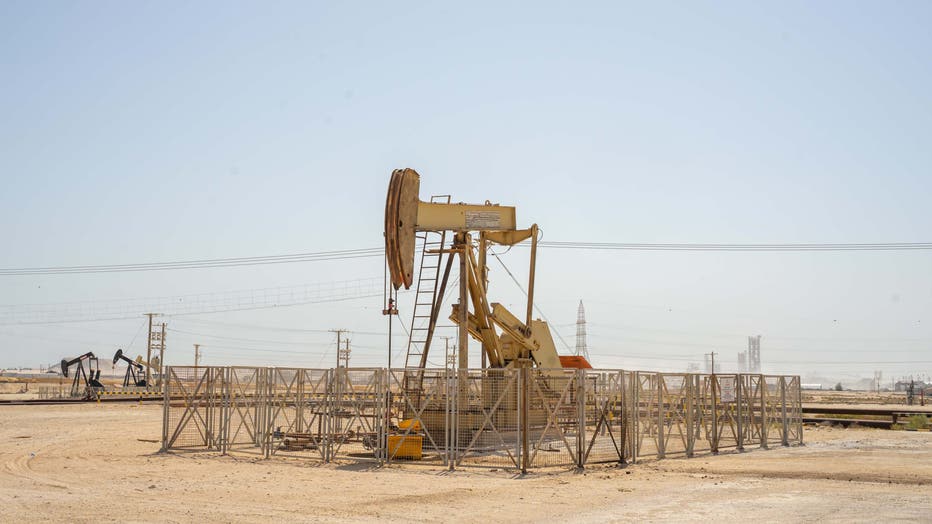
FILE - An oil jack extracting crude oil from an oil well in the Bahrain desert. (Photo by: ruelleruelle/ UCG / Universal Images Group via Getty Images)
Big picture view:
Nearly 20% of the world’s traded oil passes through the Strait of Hormuz in peacetime, and it’s unclear how soon ships will again transport the vast amounts of oil the world gets from the Middle East.
But in addition to backlogged shipments, a vast amount of oil has been lost in production as well.
The backstory:
Some countries have slowed down or halted production during the war, because without the ability to ship crude through the Strait of Hormuz, their ships and storage tanks filled up with stranded oil.
But in addition, many oil production facilities in the region have been damaged, including refineries in Saudi Arabia and Kuwait and oil tanker terminals in the United Arab Emirates and Iran, according to The Associated Press. This is also slowing down production.
RELATED: Inflation 2026: Gas prices drove March numbers up to levels not seen in years
By the numbers:
The war has cost about $50 billion in lost oil production, according to Reuters, which equates to more than 500 million barrels of crude oil, according to the data firm Kpler.
For context:
That amount of oil equates to nearly a month of oil demand in the United States, Reuters said, and estimated that’s also enough fuel to run the world’s international shipping industry for around four months.
RELATED: Summer travel forecast: Jet fuel crisis could mean more than just higher fares
Oil supply disruptions
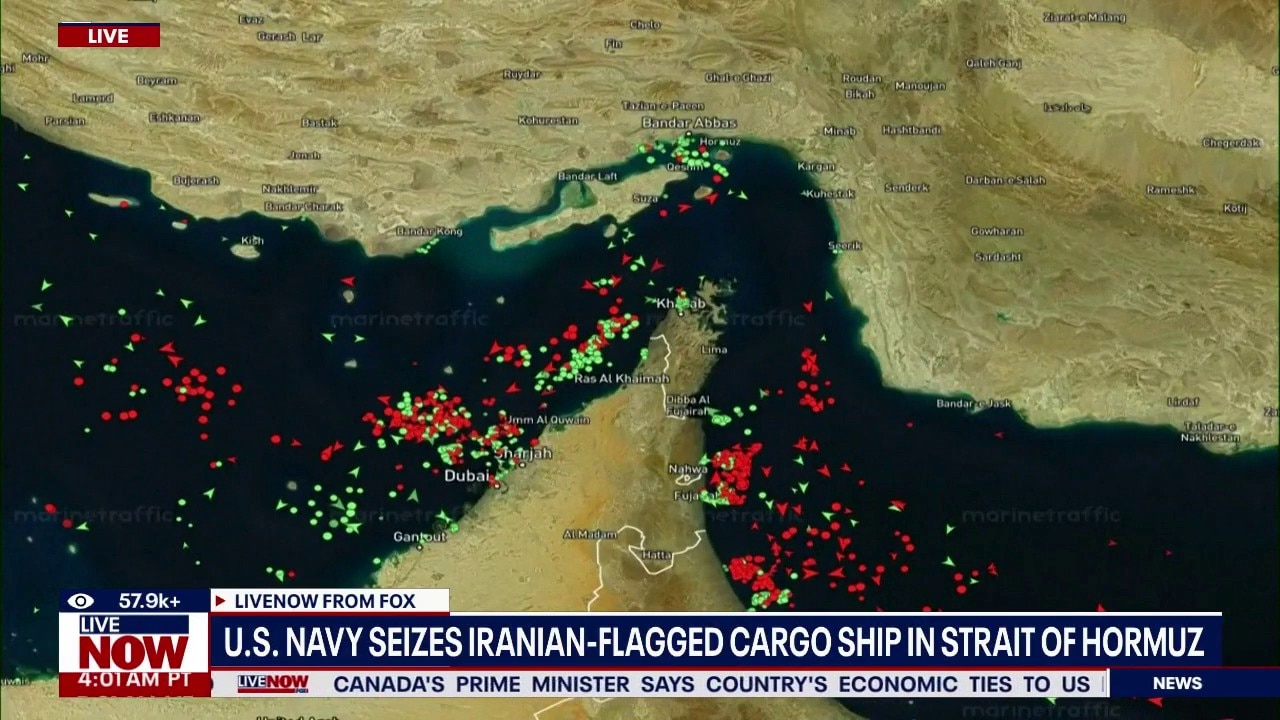
Iran vows swift response after US seizes vessel
The U.S. says it attacked and seized an Iranian-flagged cargo ship near the Strait of Hormuz that tried to pass its naval blockade. Iran’s military headquarters says the attack and seizure marks a ceasefire violation.
Meanwhile:
As the U.S. continues to enforce its naval blockade on the Strait of Hormuz, a gallon of regular gasoline cost $4.04 on average in the U.S. Monday, which was 37% more than before the U.S. and Israel attacked Iran but down a few cents from a week ago.
Even if Iran keeps the waterway open, or with a permanent reopening and end to the war, it still could take months for fuel prices to return to levels resembling those enjoyed before the war began Feb. 28, energy experts said.
What's next:
Oil supply disruptions further threaten summer travel and energy costs for Americans.
Global perspective:
The International Energy Agency told The Associated Press last week that Europe has "maybe six weeks or so" of remaining jet fuel supplies, which could lead to flight cancellations and higher ticket fares.
Executive Director Fatih Birol called the situation "the largest energy crisis we have ever faced," and said travel, gas and electricity prices are sure to increase.
The Source: Information in this article was taken from data firm Kpler, as reported by Reuters, with background information taken from AAA and The Associated Press. This story was reported from Detroit.