

Map: Here's how much hotter your summer has gotten since 1970
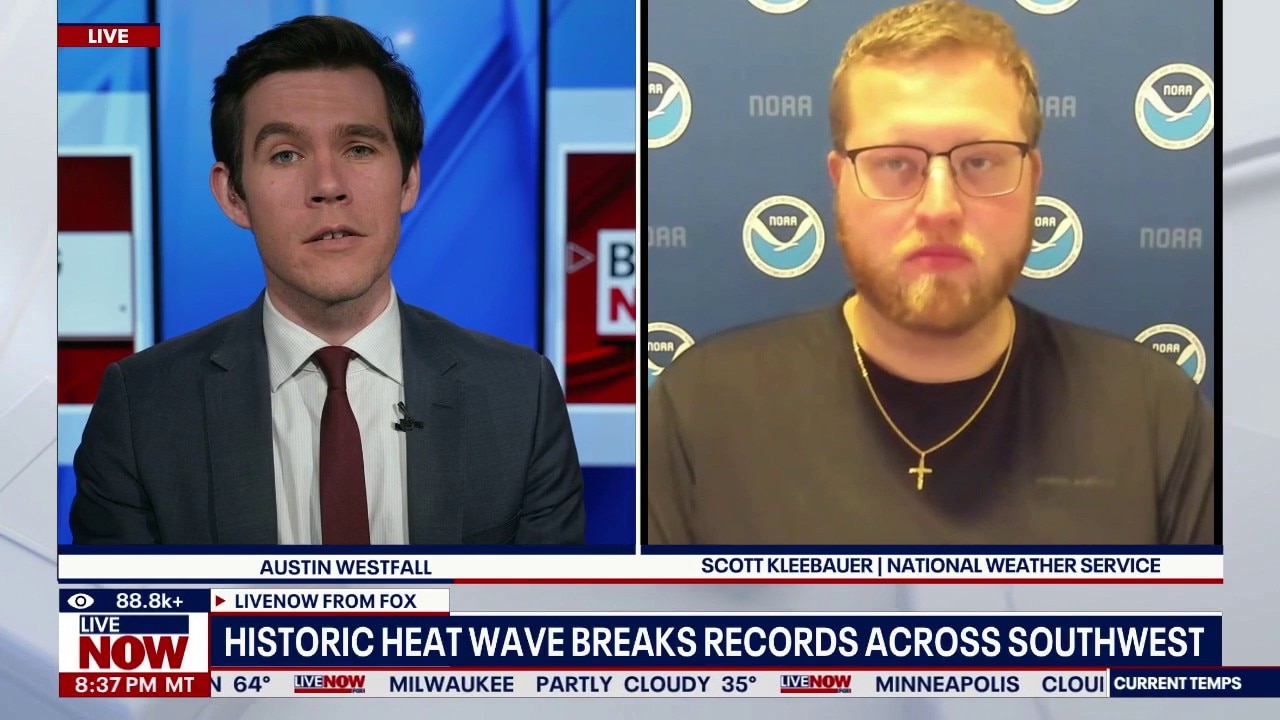
Major heat wave shatters record highs in Southwest
A heat wave continues to bake the Southwest United States, with no relief in sight for the rest of the week. "This big dome of high pressure is just anchored over the Southwest, continuing to produce this offshore flow, warming up the atmosphere 20 to 30-plus degrees above normal," explained meteorologist Maria Quiban with our partners at FOX 11 Los Angeles. Several parts of Southern California and Arizona not only broke daily records, but in some communities, it was the warmest March day on record.
As the summer season quickly approaches, a new analysis from Climate Central is revealing how temperatures are warming across the United States.
The climate science organization analyzed average summer (June, July, August) temperature data from 243 major U.S. cities and quantified the influence of human-caused climate change on each city’s warming trend from 1970 to 2025.
Summers are getting hotter in majority of U.S. cities analyzed
By the numbers:
According to the data, summer warming has been widespread with temperatures warming in 97% (236) of the 243 U.S. cities analyzed.
From 1970 to 2025, summer warmed by 2.6°F on average across these 236 cities.
The sun sets behind the skyline of midtown Manhattan on July 21, 2019 in New York City. The United States sweltered in dangerously hot weather on July 21, with major cities including New York, Philadelphia and Washington broiling in temperatures that
In addition, nearly every city analyzed (96%) now experiences more hotter-than-normal summer days than during the early 1970s – 22 more such days, on average.
Summer has warmed most in Reno, Nevada; Boise, Idado
Dig deeper:
Zooming in, summer has warmed, on average, the most in cities across the western and southern U.S., led by the Northwest (3.8°F), Southwest (3.7°F), and South (3.0°F).
The top five summer warming locations were: Reno, Nevada (11.3°F); Boise, Idaho (6.3°F); El Paso, Texas (6.3°F); Las Vegas (6.2°F); and Salt Lake City, Utah (6.0°F).
Meanwhile, the cities with the largest increase in hotter-than-normal summer days since 1970 were: Reno (68 more days); Houston (58 more days); Albany, Georgia (55 more days); and Las Cruces, New Mexico and New Orleans, Louisiana (both 53 more days).
Human-caused climated change is leading cause
Big picture view:
In most cities analyzed (91%, or 221 cities), human-caused climate change was the leading cause of summer warming – accounting for at least 50% of observed warming since 1970.
Secondary drivers of summer warming include natural climate variability (for example, the El Niño-Southern Oscillation), the urban heat island effect, and other unresolved processes (for example, weather station relocations since 1970).
RELATED: Map: The fastest-warming US states revealed
Human-caused climate change is mainly due to the heat-trapping carbon pollution that results from burning fossil fuels for transportation, electricity, heating and cooling, and more.
According to Climate Central, hotter summers bring more frequent and intense extreme heat, which is a serious health hazard. Heat is the leading cause of weather-related deaths in the U.S.
Hotter summers can also increase wildfire risk, lead to higher energy bills from air conditioning, and further amplify urban heat.
Meteorological summer starts June 1.
The Source: The information for this story was provided by Climate Central. This story was reported from Los Angeles.