

Phoenix cooling stations output warm water during extreme heat, tests show
Phoenix water cooling stations fail to stay cold
The city of Phoenix invested thousands in chilled water stations, but residents and unhoused individuals report the fountains dispense warm water. FOX 10's Brian Webb reports.
PHOENIX - The city of Phoenix has launched several programs to help people beat the heat on a hot summer's day, including a handful of water cooling stations around the city. However, they may not be as cool as promised.
The city of Phoenix unveiled this program about this time last year, placing chilled water cooling stations at strategic locations around the city. But all this time later, these cooling water fountains are taking heat for being too hot.
What they're saying:
TikTok video captured Kenny Young training for a marathon. He set up a practice course to pass by the city's water chilling stations for cool drinks along the way. But cool, filtered drinking water is not what he found.
"This is hot. I could cook some Ramen with this," Young said.
"I think it was seven stations," Young said. "Most of them all put out water. It was just, I think only one was like, I would say it was chilled."
A test conducted on one of the hottest days of the year evaluated four water cooling stations in the downtown Phoenix area.
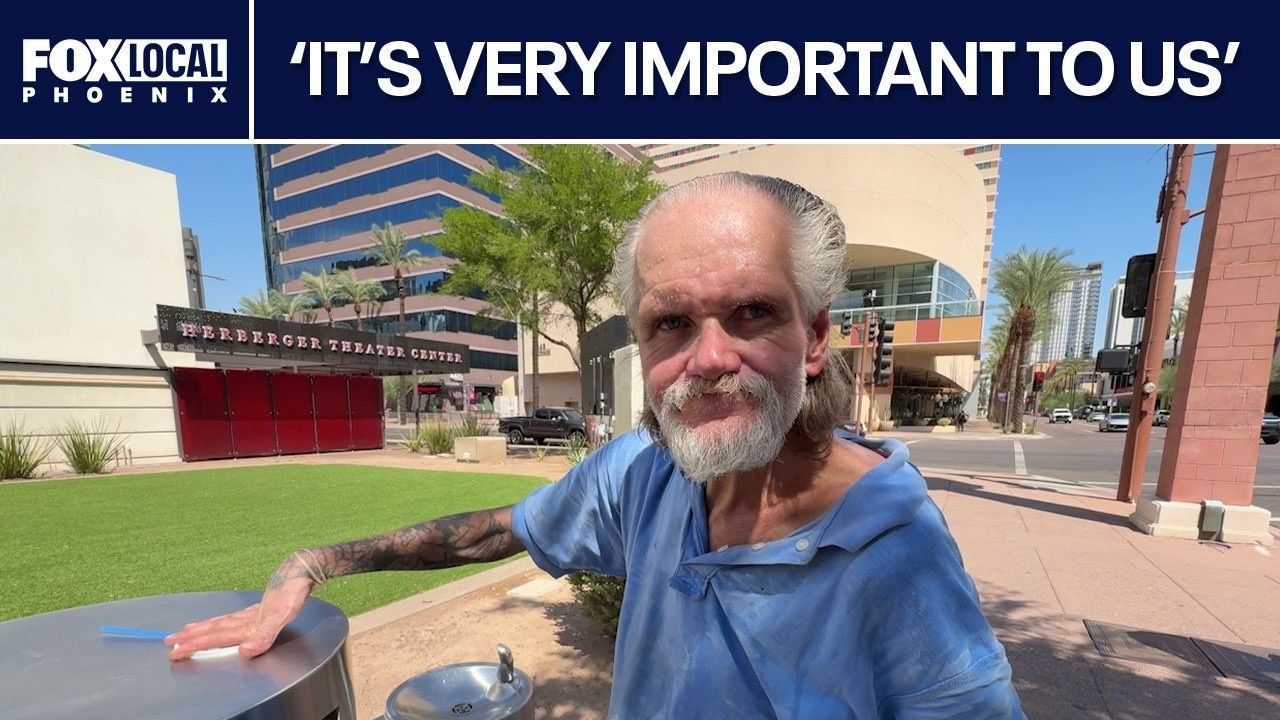
The investigation caught up to Robert, a homeless man who counts on cool water while sweating and surviving out on the streets. He called the water "piss warm."
"It’s very important to us, to all of us homeless. We depend on cold water, man. It's 108 degrees, 114, and we drink the hot water? I mean, c'mon, we're gonna have to cool the body down, cool down somehow," he said.
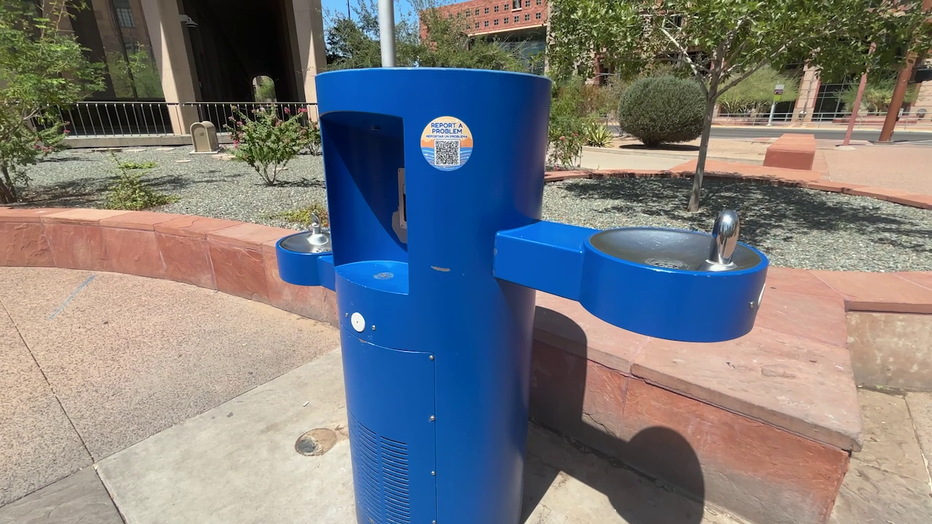
The city of Phoenix has launched several programs to help people beat the heat on a hot summer day, including a handful of water cooling stations around the city. However, they may not be as cool as promised.
Dig deeper:
The water was allowed to run for several seconds as suggested, and the station was even given a second shot. The city poured plenty of resources into nearly a dozen water stations that cost several thousand dollars each.
Young didn't set out to make a splash, but he hopes it will help.
"I hope that the people that maintain these and develop them and the people that provide these for the city, put the in put the technology to work. They can do it," Young said.
The other side:
The city of Phoenix responded to the investigation, saying extreme summer heat has damaged the units. Officials said they are working with the vendor to repair the fountains and will add shade to all of them.
The city's full statement:
"We want to thank the community for being partners in the Chilled Drinking Water Initiative and for sharing their experiences with the fountains. We are still in the evaluating and improving stage of this pilot initiative and have learned that the extreme heat is tough on the chilled water fountains, as it is on other outdoor technology. We have been working with the vendor over the past few weeks to remedy issues with the fountains, and determine best practices for the future, to improve the chillers' performance in Phoenix's extreme heat. We've learned the fountains chill water much better when they're in direct shade all day, so we're working to add shade to fountains at more locations. We have been placing signs in English and Spanish at several chillers to let the community know that they are under repair. We appreciate community members letting us know when things aren't working the way they should, as it will help us improve moving forward.
During the dangerous summer heat, the City of Phoenix operates more than 60 sites in the regional heat relief network, including cooling centers, hydration stations, and a 24/7 heat respite center. All 17 Phoenix Public Library locations serve as cooling centers during regular operating hours. Additionally, Cholla Library and Justa Center have extended hours for heat relief through Sept. 30. These locations are open to anyone in need of a safe, cool space and cold water."
What you can do:
You can click here to learn more about the initiative.