

SNAP benefits pause: Here's where people can get help with food assistance
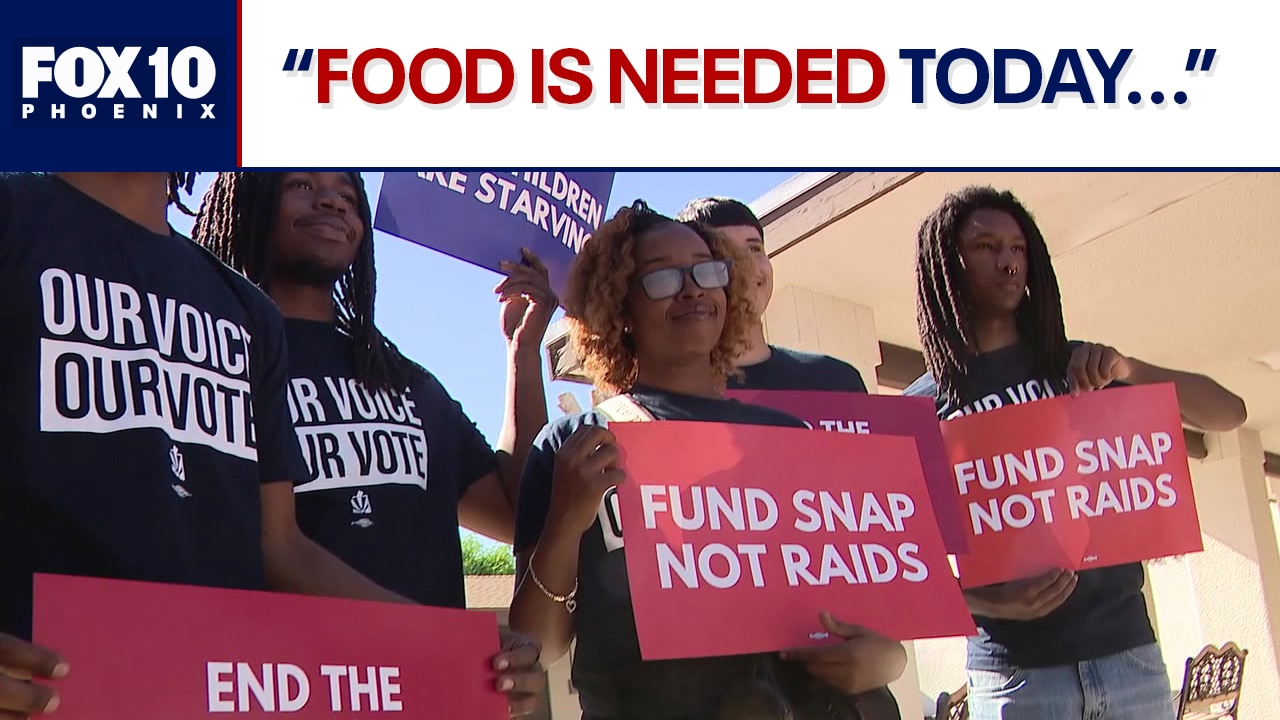
SNAP pause results in high food bank demand
Community groups in Arizona are speaking out, as the ongoing U.S. government shutdown means food banks are seeing more demand for services from families who are affected by a pause in SNAP benefits. FOX 10's Ashlie Rodriguez reports.
PHOENIX - As the ongoing federal government shutdown continues, it is also putting a spotlight on the Supplemental Nutrition Assistance Program, also known by its acronym SNAP.
With SNAP benefits being affected as a result of the shutdown, here's what to know about them, as well as resources that are being offered to those affected.
What's SNAP?
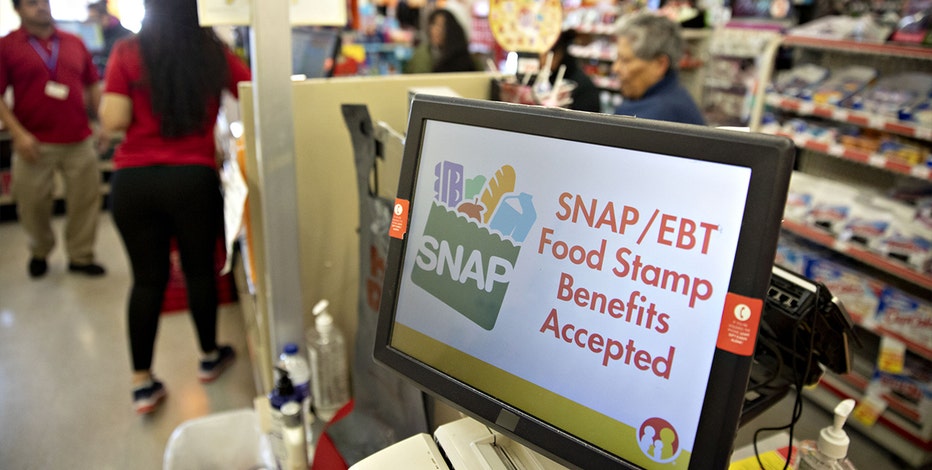
According to USDA's website, SNAP stands for "Supplemental Nutrition Assistance Program," and it "provides food benefits to low-income families to supplement their grocery budget so they can afford the nutritious food essential to health and well-being."
The backstory:
SNAP, per the USDA website, can trace its roots back to 1939, when the first Food Stamp Program began. That program ended in 1943, but a new pilot program was launched in 1961 by President John F. Kennedy. The pilot program was later made permanent with the passage of the Food Stamp Act in 1964.
USDA officials said SNAP received its current name as a result of the Food, Conservation, and Energy Act of 2008, in an effort to fight stigma surrounding the program.
How many people receive SNAP benefits in Arizona?
By the numbers:
Data from DES shows 855,273 people receiving SNAP benefits as of September 2025, including around 508,000 adults and 347,000 children.
"On average, [Nutrition Assistance] households receive approximately $359 each month to purchase groceries for their families," DES officials wrote.
Data also shows that of the over 855,000 people receiving SNAP benefits, about 442,000 of them, or about 51.7% of all program participants, live in Maricopa County.
Featured
Here's what to know about SNAP
Hundreds of thousands of Arizonans will not get SNAP benefits for November, as the federal government shutdown continues. Here's more about SNAP, as well as the potential impact of the funding pause.
How is the SNAP benefits pause affecting Arizonans?
Local perspective:
In recent weeks, we have reported on how the uncertainty over SNAP benefits, in addition to the government shutdown, is affecting Arizonans and community organizations.
On Nov. 1, the 150 boxes prepared by Streets of Joy Food Bank in Mesa were gone in less than an hour. The food bank's founder, Eric Jenkins, said they had to tell a long line that consisted of more than 150 people that they had run out of food.
"The hardest thing to do is to turn somebody away who’s been sitting, waiting, for three to four hours, not knowing if they’re going to get anything or not,m and now I got to go tell them that they can’t," Jenkins said.
According to Lutheran Social Services, the average number of food boxes given away each month was around 500. For 2025, that number rose to nearly 900.
Meanwhile, Native American communities within Arizona are also preparing for negative effects. The worry is so high, in fact, that the Gila River Indian Community has issued an emergency declaration, which frees up funds to provide a $1,000 stipend to households.
"To get our members through the shutdown without missing meals or payments on electricity or other bills," said Gila River Indian Community Governor Stephen Roe Lewis.
"Missing one month of rent can put you out on the streets. One month of car payment could have you car-less. And then missing that rent and then you have no car and no apartment," said Roxanne Wilson, who is preparing to help cover meals in the community.
Dig deeper:
"I can stretch a pound of hamburger and feed seven people, and it’s just the way I’ve learned, and I’ve learned how to do it," said Dee McDonald.
McDonald takes care of her five grandsons, and uses food stamps to make ends meet.
"It feels like sitting in your room and crying," said McDonald. "That’s what it feels like, to be honest, which I’ve done at times, and I try to do that in my room, away from the boys like I’m about to do now – not do it on camera – but that’s what it feels like. It’s like, ‘how am I going to feed these boys?’"
"Being what it is, with the gridlock in Congress, nobody is thinking about the poor people," said Jenkins. "The battle over healthcare – I understand that, but the reality is: food is needed today. One thing you can’t kick down the road is hunger. This is the time as Americans, we need to come together and make sure the ones who have the need don’t have to go hungry, because of the politics of our government."
What are people doing about the ongoing pause in SNAP benefits?
During a news conference held on Nov. 4, the group Living United for Change in Arizona (LUCHA), along with other community organizations, raised the alarm, pointing to data that shows 15% of families in Maricopa County receive food stamps, and 17% report being food insecure.
LUCHA is calling on local politicians to put pressure on Washington to end the shutdown.
Meanwhile, Arizona Governor Katie Hobbs has pledged $1.8 million for Arizonans affected by the SNAP benefits pause. $1.5 million will go to food banks across the state to fill the gap where SNAP leaves off, while another $300,000 will go to an emergency fresh food program.
There is also a temporary program called Food Bucks Now, which provides $30 in credits to SNAP households that can be redeemed for SNAP eligible food purchases at participating farmer’s markets, food stands, and community grocery stores.
What you can do:
The Arizona Food Bank Network has resources available online for those who need help, as well as those who want to help.
People can also donate to St. Mary's Food Bank and St. Vincent de Paul.