

What is Chikungunya virus? Symptoms, prevention and what to know
The Chikungunya virus is an illness caused by a virus that is spread to people through the bite of an infected mosquito. The virus recently grabbed headlines after an outbreak was reported in Guangdong Province, China this month.
What we know:
The Centers for Disease Control and Prevention (CDC) has issued a "Level 2 Practice Enhanced Precautions" alert for Chikungunya in China, noting mosquitoes as the spreader of the virus.
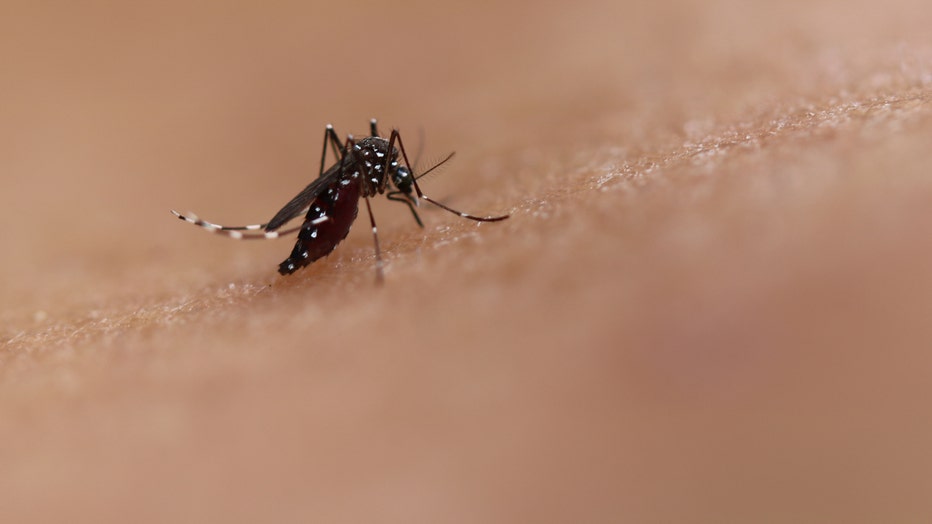
Bite by an Aedes mosquito. This species can transmit diseases such as chikungunya, dengue, and Zika. Credit: NIAID (Photo by: IMAGE POINT FR/NIH/NIAID/BSIP //Universal Images Group via Getty Images)
Symptoms Of Chikungunya Virus
The most common symptoms are fever and severe, often debilitating, joint pain. Other symptoms can include headache, muscle pain, joint swelling, and a rash. Most people infected with the virus will develop symptoms, which typically appear three to seven days after the mosquito bite.
While most patients feel better within a week, the joint pain can be disabling and may persist for months. It is important to note that the virus is not spread from person to person through coughing, sneezing, or touching.
How Chikungunya Virus Spreads
The virus has caused outbreaks in Africa, the Americas, Asia, Europe, and islands in the Indian and Pacific Oceans. It is primarily spread to people through the bite of infected mosquitoes. People who are infected can also spread the virus to mosquitoes during the first week of their illness, as they have high levels of the virus in their blood. The mosquitoes then become carriers and can transmit the virus to others they bite.
While the virus is not spread through casual contact like coughing or sneezing, there is a rare risk of transmission through blood transfusions, handling infected blood in a laboratory, or from a pregnant woman to her fetus or newborn baby. The CDC has not found the virus in breast milk, and there have been no reported cases of infants being infected through breastfeeding.
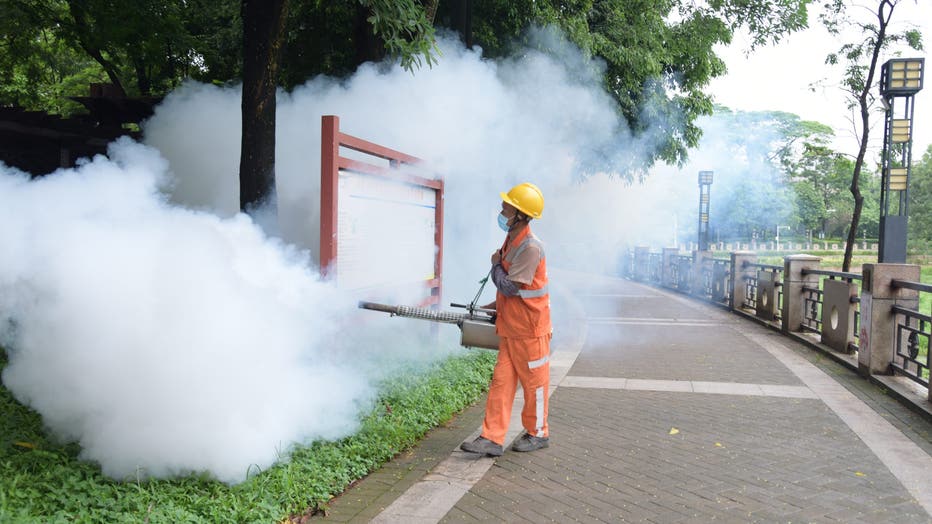
DONGGUAN, CHINA - AUGUST 03: A sanitation worker sprays insecticide to prevent the spread of Chikungunya on August 3, 2025 in Dongguan, Guangdong Province of China. China's Guangdong province has launched targeted measures, including citywide cleanup
Treatment and Prevention of Chikungunya Virus
Since there is no specific medicine to treat Chikungunya, the best way to protect yourself is by preventing mosquito bites. The CDC recommends using insect repellent, wearing long-sleeved shirts and long pants, and staying in places with air conditioning or screens on windows and doors.
In the United States, there are two Chikungunya vaccines available:
IXCHIQ: A live-attenuated vaccine licensed for adults 18 and older who are at increased risk of exposure. However, the FDA and CDC have recommended a pause in its use for people 60 and older while they investigate reports of serious adverse events.
VIMKUNYA: A virus-like particle vaccine licensed for people aged 12 and older. It is also recommended for those traveling to or living in an area with a Chikungunya outbreak.
Talk to a healthcare provider to see if a vaccine is right for you, especially if you are traveling to an area where an outbreak is occurring.
The Source: Information provided by the Centers for Disease Control and Prevention was used in this article.