

Senate blocks ACA subsidies extension: What this means for your health insurance
Two separate bills to address the expiring Affordable Care Act subsidies failed in the Senate Thursday, all but guaranteeing that more than 22 million Americans will see their health insurance premiums rise significantly next year.
Both bills were blocked by 51-48 votes.
The Republican plan would have replaced the Affordable Care Act (or Obamacare) subsidies with new savings accounts, while Democrats wanted to extend the enhanced ACA tax credits for three years without changes. Both lacked the bipartisan support needed to pass, and both sides blamed each other for failing to find common ground.
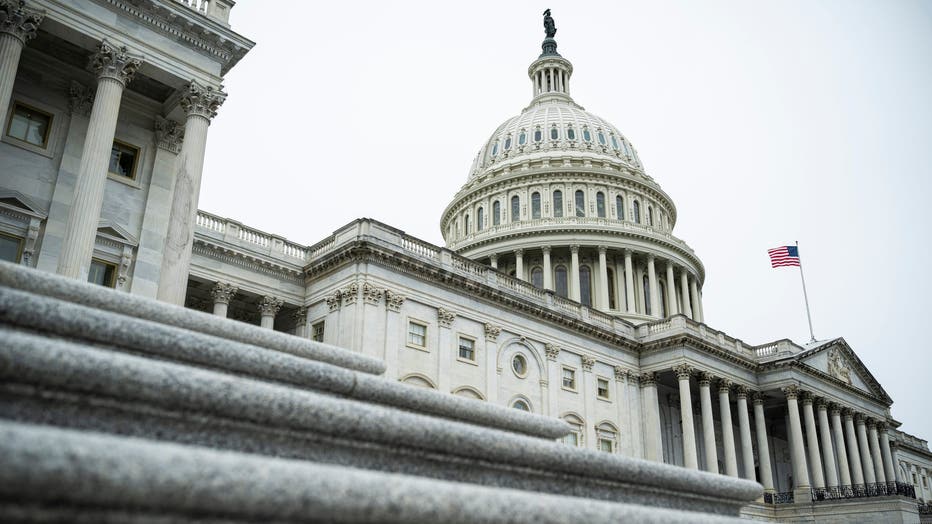
The US Capitol in Washington, DC, US, on Monday, Dec. 8, 2025. Photographer: Graeme Sloan/Bloomberg via Getty Images
What happens if ACA subsidies expire?
Why you should care:
If Congress doesn’t act, millions of people will see increases in their premium payments when the tax credits expire in January.
By the numbers:
According to KFF, a major health care policy research organization, more than 22 million people benefit from the tax credits. Without them, health care premium payments are expected to increase an average of 114%, KFF found.
RELATED: 1 in 4 Affordable Care Act enrollees say they would go 'uninsured' if tax credits expire: poll
Roughly 25% of Americans who get their health insurance through the Affordable Care Act Marketplace say they would likely go uninsured if Congress doesn’t extend the enhanced tax credits, a recent KFF survey found.
Republican ACA replacement plan
Dig deeper:
The GOP bill would have let the current subsidies, first put in place during the COVID-19 pandemic, expire, then make payments to the new health savings accounts for the next two years. The savings accounts would only have been for enrollees making less than 700% of the federal poverty level who pick lower-cost, higher-deductible bronze or catastrophic health insurance plans.
Eligible enrollees between the ages of 18 and 49 would have received $1,000 per year, while those between 50 and 64 would get $1,500. The money could have been spent to defray out-of-pocket expenses like copays and deductibles, or to purchase other qualified health-related items directly from companies, but not to cover monthly premiums.
What they're saying:
Republicans say their bill handed money directly to the American people, giving them the power to decide how to spend or save it. President Donald Trump has been saying the same thing for weeks. They also say it would have helped to curb fraud in the program.
The other side:
Democrats and health care advocates warned the GOP plan wouldn't do much to help lower-income Affordable Care Act enrollees. Because the measure required members to pick higher-deductible plans, people who use their health insurance more often would likely have ended up paying much more than the savings accounts provide.

FULL REMARKS: House Democrats on ACA subsidies
House Democratic leaders spoke with reporters Wednesday, Dec. 10, as the fight over health care premiums entered a critical stage.
In 2026, the average bronze plan deductible is nearly $7,500, according to KFF. That’s five to seven times more than the proposed amount for savings accounts.
What's next:
In the House, Speaker Mike Johnson, R-La., has promised a vote next week. Republicans weighed different options in a conference meeting on Wednesday, with no apparent consensus.
Republican moderates in the House who could have competitive reelection bids next year are pushing Johnson to find a way to extend the subsidies. But more conservative members want to see the law overhauled.
What are ACA subsidies?
The backstory:
When Congress passed the American Rescue Plan Act in 2021 during the pandemic, it temporarily increased tax credits available for people who buy health insurance through the ACA Marketplace. It provided extra assistance for existing Marketplace enrollees, and also allowed some middle-income Americans who weren’t previously eligible to receive the tax credits.
The tax credits were extended as part of the 2022 Inflation Reduction Act and are set to expire at the end of 2025.
The expiring credits and looming premium increases were the reason behind the longest government shutdown in history, which ended on Nov. 12. Democrats demanded that the subsidies be added to the spending deal, but ultimately the government reopened without addressing the health insurance provisions. Republicans promised a vote on ACA subsidies before they expire.
The Source: This report includes information from KFF, The Associated Press and previous LiveNow from FOX reporting.