

Calorie-counted menus linked to lower obesity-related cancer rates, healthcare costs, study finds
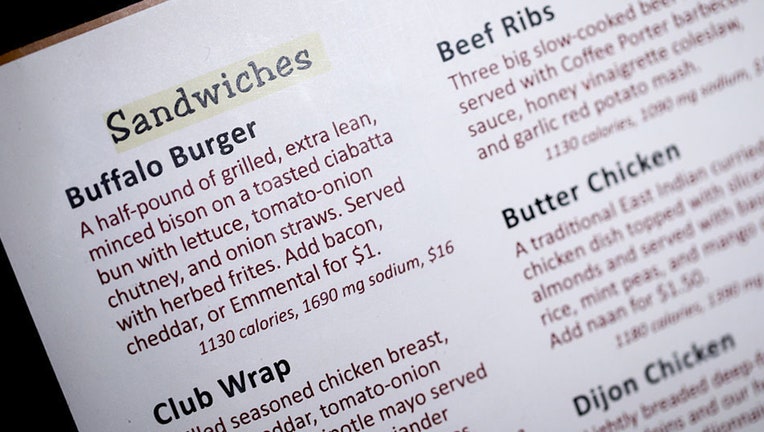
- Timothy Broughton, the co-owner of C'est What, with one of his calorie count menus and a Buffalo burger. Toronto Public Health launched a pilot project in 2013 to put calorie counts on menus. Turns out only four of 22 restaurants involved in the pr
A new study suggests that specifying calorie information on restaurant menus could lead to lower rates of cancers associated with obesity, along with lower healthcare costs in the United States.
In the study, published in the open-access journal BMJ Open, researchers used The Diet and Cancer Outcome model (DiCOM) to estimate the impact of the policy on reducing obesity-related cancer rates and associated costs among 235 million U.S. adults aged at least 20, over a lifetime starting from 2015.
The researchers found, on the basis of consumer behavior alone, the policy was associated with the prevention of 28,000 new cancer cases and 16,700 cancer deaths.
Financially, $1.48 billion was saved in related medical costs over an average monitoring period of 34 years.

Number of obese and overweight children increasing worldwide, report finds
A UNICEF assessment on childhood nutrition found that the number of overweight children has increased on every continent.
The study also found that the greatest numbers of new cases averted were cancers of the liver, postmenopausal breast, endometrium (womb lining), kidney and pancreas.
The study’s findings also said health gains and cost savings would likely be greater for young adults and people of Hispanic and Black ethnic backgrounds.
"Using the best available estimates, our study further suggested that the federal menu calorie labeling policy is cost-effective in the short term and cost-saving in the long term in reducing obesity-associated cancer burdens," the researchers said in a press release published Wednesday.

Ways to improve heart health
As heart disease continues to be the leading cause of death in America, experts say these small lifestyle changes can help keep your heart at its healthiest.
The team noted that they only modeled the impact of menu calories, but the policy may result in potential changes in the nutritional quality of restaurant meals.
Based on the findings, the researchers said policymakers may want to prioritize nutrition policies for cancer prevention in the U.S. going forward.
RELATED: More than half the world's population will be obese or overweight by 2035, says new report
"Our findings also indicated the importance of assessing potential industry response, which could nearly double health and economic benefits," the team said in their study.
The Affordable Care Act 2010 has mandated that all chain restaurants with 20 or more locations post calorie counts on menus and menu boards for all standard menu items.
According to the Centers for Disease Control and Prevention, nearly 42% of people in the U.S. were obese between 2017 and 2020.
Obesity-related conditions include heart disease, stroke, type 2 diabetes and certain types of cancer. Meanwhile, the estimated annual medical cost of obesity in the U.S. was nearly $173 billion in 2019, and medical costs for adults who had obesity were more than $1,800 higher than medical costs for people with a healthy weight.
This story was reported from Los Angeles.