

Fall allergy season has gotten longer since 1970: Here's where it's worst
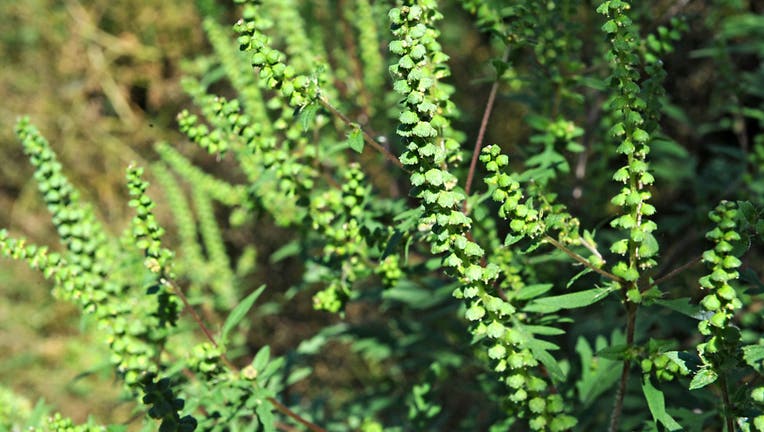
FILE: Ragweed plant (Photo by Lori Van Buren/Albany Times Union via Getty Images)
Climate change is stretching summer heat into the fall, and with longer summers comes longer allergy seasons.
A new report from the research nonprofit Climate Central found that the first freeze of the year is now happening weeks later in some cities, which is directly linked to the length of ragweed pollen season across the U.S.
Why is fall allergy season getting longer?
Big picture view:
According to Climate Central, ragweed pollen season is largely dictated by the number of fall days before the first freeze. Heat-trapping pollution has caused rising temperatures worldwide and made fall warmer, giving ragweed more time to grow.
August was Earth’s hottest month on record thanks to a double whammy of human-caused climate change and a supersized El Nino, according to the European climate service Copernicus.
RELATED: August cracks record for hottest month ever recorded
By the numbers:
Climate Central says 177 of the 202 U.S. cities analyzed (88%) are seeing longer waits for the first fall freeze. The freeze-free fall season has lengthened by an average of 11 days since 1970. In 67 cities, the freeze-free fall season is at least two weeks longer.
RELATED: NOAA says July was warmest month in US history, surpassing 1936 Dust Bowl heat
What is ragweed?
The backstory:
Ragweed, which is found in every state except Alaska, is the main cause of late summer and fall allergies. Tree pollen causes allergies in the spring, while grass pollen causes allergies in early summer.
What they're saying:
"A single ragweed plant can produce up to 1 billion pollen grains that are carried by wind and cause a range of symptoms," Climate Central says.
There are 17 types of ragweed that grow across the U.S. during the late summer and fall. According to the Asthma and Allergy Foundation of America, symptoms of ragweed allergies include:
- Runny or stuffy nose
- Postnasal drip (mucus in the back of your nose and throat)
- Sneezing
- Itchy nose, eyes, ears and mouth
- Red and watery eyes
- Swelling around the eyes
- Moodiness and irritability
- Fatigue
- Disturbed sleep
Which cities are warming the most?
Local perspective: The five cities where the freeze-free fall season has lengthened the most are:
- Toledo, Ohio (28 days)
- Reno, Nevada (26 days)
- Boise, Idaho (24 days)
- Tupelo, Mississippi (24 days)
- Richmond, Virginia (23 days)
The Source: This article includes information from Climate Central and previous FOX Local reporting.