

Traveling with your pets for the holidays? Here’s how to prepare them and keep them safe
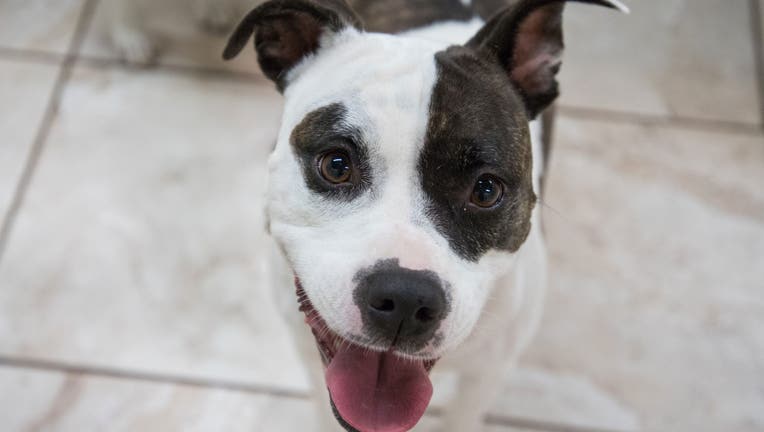
Traveling with your pet for the holidays involves taking a few steps to keep them safe before and during your holiday visit. (Photo: Hounds Town)
If 2026’s Thanksgiving holiday looks like last year’s, almost 90% of people who are traveling for the big feast will travel by car, and for pet owners, a majority will have their four-legged friends riding along.
But pet experts say it’s important to make sure you and your pets have everything you need to make the trip to and from your destination more enjoyable for you and safer for your pets.
Road-tripping with your pets
By the numbers:
An October Subaru study found that pets are reshaping holiday travel and road trip plans. The survey found 73% of pet owners say they are more likely to drive than fly, specifically so they can bring their pet along.
More than 68% said their pets will affect their travel plans this year and 45% have admitted to turning down travel opportunities that couldn’t accommodate their pets.
When it comes to making (and potentially changing) holiday plans, about 28% of pet owners say they may change their plans because of their pets — whether that means hosting instead of traveling, shortening a trip to care for a pet or skipping certain gatherings that can’t include their pet.
Gen-Z and Millennials are more likely to have brought their pet home for the holidays than Gen X and Boomers, the research found. For those who are traveling for the holiday with pets, almost half start planning the pet-included trip three weeks out while almost a quarter start a month before the holiday.
What they're saying:
"Holidays are meant for spending time with family, including our pets, so it’s no surprise that as people take the time to visit loved ones near and far, pets are factored into the planning," Subaru of America Love Promise Community Commitment Manager Christina Valente said.
Trevor Maki, a national product training manager at Subaru of America, says many pet owners consider bringing their dog, cat or other pets an "essential" part of holiday travel.
"Room to move, clear sightlines, and easy-to-clean surfaces make all the difference," Maki said. "We recommend making sure you have the right accessories for your vehicle and your pet so everyone stays safe and comfortable on the road."
Big picture view:
The ASPCA says there are key steps to making sure that traveling by vehicle with your pet is a good and safe experience.
Consider a vet appointment ahead of the trip
Talk to your vet about any pet travel concerns, including anti-nausea medication for your pet if it is prone to motion sickness. Get a copy of your pets vaccination records to take with you and make sure your pet is microchipped so that if it should get away from you, there is a better chance you will be reunited.
Check with your vet about where you’re going: some states may require a proof of veterinary inspection certificate at certain interstate crossings, the ASPCA says.
Acclimate your pet to the vehicle
First, prepare your pet for a long ride. If they’re not used to a long car ride, take them on a series of short car rides to gradually go further so they are used to the car. Cornell University’s College of Veterinary Medicine recommends 5-10-minute car rides and build from there ahead of a lengthy trip. They also recommend positive reinforcement with their favorite treats to help them equate a car ride with a positive experience.
Plan for frequent stops to allow your pet to stretch, drink water and relieve themselves.
Crate your pet — for their safety and yours
The ASPCA recommends that pet owners always keep their pets in a well-ventilated crate or carrier. Experts say a crate is the safest place for your pet in case of an accident from airbags or from the brunt force of impact.
An unsecured pet can also serve as a significant distraction for a driver, something you don’t want if you’re traveling at 65 mph down an interstate highway.
When selecting a crate, the size does matter. The animal should be able to stand, sit, lie down and turn around inside it so they can stay comfortable. If you decide to not use a crate, don’t let your pet ride with their head outside the window and always keep them in the back seat and in a harness attached to the seatbelt.
Build a pet-friendly travel kit
Your travel kit should include food, a bowl, a leash, a waste scoop, plastic bags, grooming supplies, medication and first aid.
Packing your pet’s favorite pillow or blanket and help them feel secure. A favorite toy or two can also help your pet feel a sense of home and be less anxious.
Be sure to bring plenty of water and avoid feeding your pet in a moving vehicle.
Never leave a pet alone in a parked vehicle
On a hot day, even with windows open, a parked automobile can become a furnace in minutes, causing heatstroke. But in cold weather, a car can act like a refrigerator, threatening your pet with hypothermia.
Reducing the chance of sickness
The ASPCA recommends feeding a light meal three to four hours before you get on the road which can help avoid the motion sickness many dogs will feel while traveling. Also, opting for bottom water can help your pets avoid stomach upset from drinking water from an area they’re not used to.
If you know your pet suffers from motion sickness in a moving vehicle, check with your vet before you get on the road about anti-nausea medication.
Pet-friendly accommodations
If you’re not able to stay overnight with the people you’ll spend time with on Thanksgiving, there are pet-friendly hotels. But search as far ahead of time as possible to make sure you can secure a pet-friendly room.
If your pet must be left alone in a hotel room during your trip, it’s safest to keep them in their crate inside the hotel room so they don’t accidentally get loose if housekeeping should open your door. Crating them will also keep them from chewing or damaging furniture in the room.
Be sure to place a "Do Not Disturb" sign on your room door if you have to leave your pet in your room.
Perform a regular health check
You may know everything that’s scheduled during your trip, but your pet won’t. Be sure to perform a daily health check: your pet’s appetite, energy and behavior may change during a visit to a different place. Also, try to stick to your pet’s regular feeding schedule and walk them as often as they are typically walked at home.
Visit a local veterinarian or call your regular vet if you have concerns about any physical or behavioral changes you see.
The Source: Information for this story came from Subaru of America, the ASPCA, Cornell University College of Veterinary Medicine, and the American Veterinary Medical Association. This story was reported from Orlando.