

Two dead, one missing in Grand Canyon flash flood as emergency alerts aid rescues
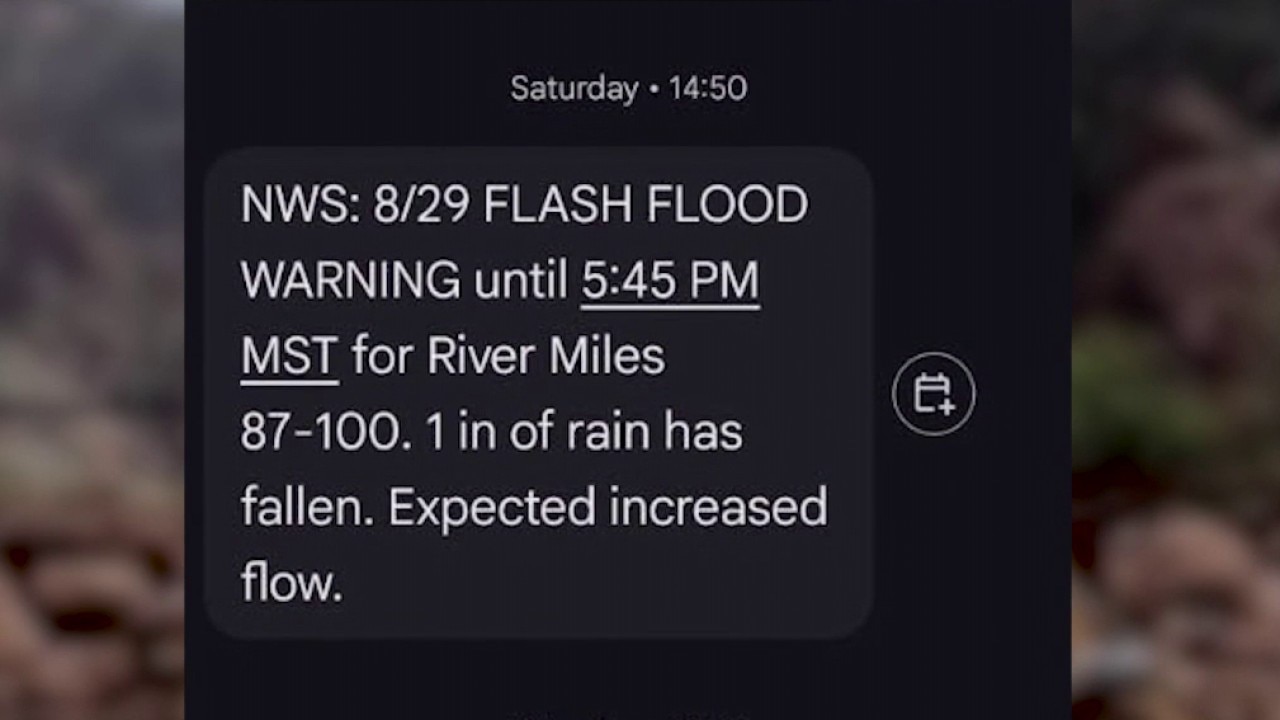
Satellite alerts warn Grand Canyon hikers
Coconino County officials explain how satellite warnings alerted hikers before flash floods hit. FOX 10's Megan Spector reports.
GRAND CANYON, Ariz. - Rescue crews are still searching for a missing hiker after flash floods turned popular trails into fatal traps.
Two hikers are dead, but emergency teams managed to rescue about 80 people from the canyon over the weekend. Officials are pointing to one key defensive measure they believe prevented an even bigger tragedy.
What we know:
It's all about early warnings, and Coconino County emergency officials say flash flood alerts sent out gave hikers a crucial window to reach higher ground before the rush of water hit.
Joey Martin was working in the inner canyon when the flash flooding began.
"You know they get rainstorms, but we never expected it to turn out like that," Martin said.
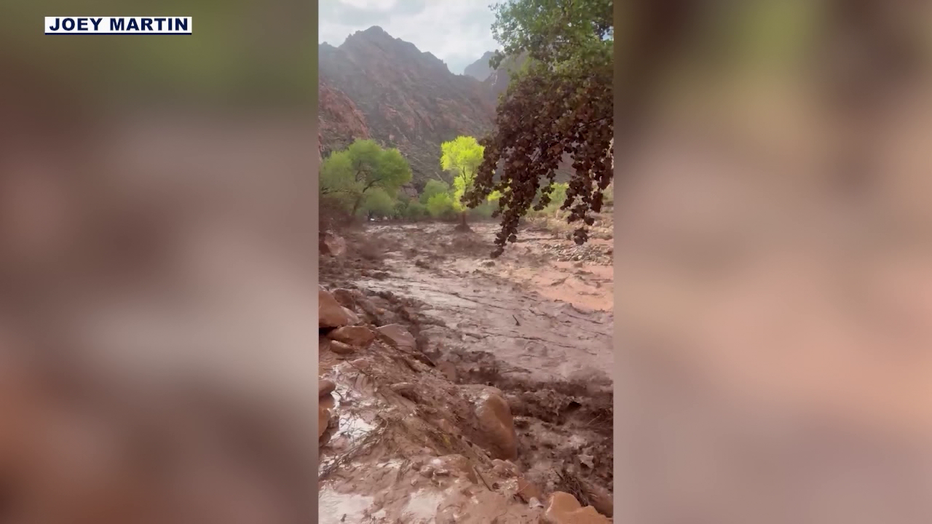
Flash flooding in the Grand Canyon left two people dead and one missing, while emergency officials said satellite alerts provided crucial early warnings.
Flash floods hit fast and often without much warning.
"You could see water started to rise," Martin said. "You could see waterfalls, mudslides coming onto the canyon walls. And then it just progressively started to get worse."
That is when emergency alerts become a lifeline.
"We started to get notices from the National Park Service that they were evacuating hikers out of the Phantom Ranch campgrounds, Bright Angel campgrounds," Martin said.
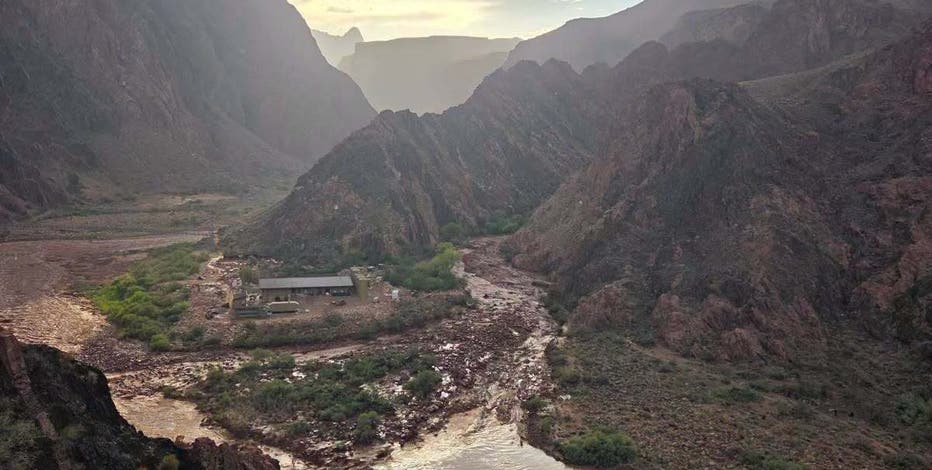
Grand Canyon flash flood: Questions raised over North Kaibab Trail safety
Questions surround the reopening of the North Kaibab Trail near the Dragon Bravo Fire burn scar after runoff accelerated flooding. Meanwhile, the search continues for missing 53-year-old hiker Tim Smith.
Dig deeper:
The Grand Canyon River Alert System sends free flash flood warnings straight to satellite devices and satellite-capable phones when users have zero cell service. Many modern smartphones have that ability.
"It’s a brief, short message," Coconino County Emergency Management Director Tim Carter said. "We don’t really take a lot of time, waste a lot of time doing that. It’s, you know, here’s the agency sending it. The date and time. Here’s what’s going on and where. That way, we want the message to get out as quickly as we can, so folks can take appropriate action."
According to National Park Service officials, the flash flooding started around 2:30 p.m. on Saturday, Aug. 29. The first alert was sent just before 12:30 p.m.
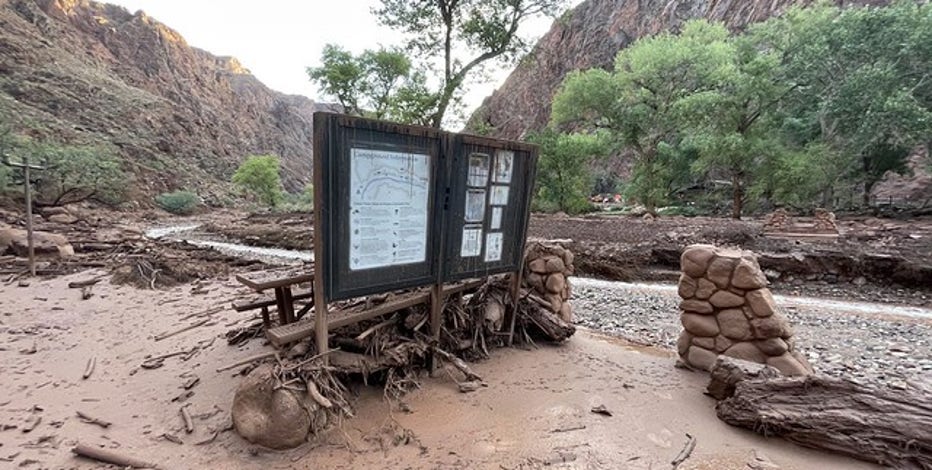
Deadly Grand Canyon flash floods spark debate on requiring day-hiking permits
Two dead and one missing after Grand Canyon flash floods, raising questions about whether day hikers should be required to obtain permits.
"We sent a total of 15 messages over the next 48 hours," Carter said. "Some of those were a mixture of flash flood warnings issued by the weather service. Some of them were messages sent at the request of the National Park Service."
Emergency leaders say this collaborative alert system between Coconino County, the National Park Service, and the National Weather Service is saving lives.
"While it doesn’t replace situational awareness, it gives them one more tool to receive those lifesaving messages of potential hazards that could impact them," Carter said. "Being able to give that message and take appropriate action to save lives, that’s the entire point of this system."
What you can do:
In order to receive the alerts, hikers do have to sign up. You can find more information about how to register here.
The Source: Information in this report was gathered Tim Carter, Coconino County emergency management director and National Park Service officials.