

US ends Trump-era asylum policies for violence victims

WASHINGTON - The U.S. government on Wednesday ended two Trump administration policies that made it harder for immigrants fleeing violence to qualify for asylum, especially Central Americans.
Attorney General Merrick Garland issued a new policy saying immigration judges should cease following the Trump-era rules that made it tough for immigrants who faced domestic or gang violence to win asylum in the United States. The move could make it easier for them to win their cases for humanitarian protection and was widely celebrated by immigrant advocates.
"The significance of this cannot be overstated," said Kate Melloy Goettel, legal director of litigation at the American Immigration Council. "This was one of the worst anti-asylum decisions under the Trump era, and this is a really important first step in undoing that."

Governor Ron DeSantis says Florida is joining Texas and Arizona in taking action to help secure the southern border by sending officers to the border. DeSantis said that securing the southern border will help make Florida safer -- specifically when it comes to meth and other drugs coming across the border and eventually into Florida.
Garland said he was making the changes after President Joe Biden ordered his office and the Department of Homeland Security to draft rules addressing complex issues in immigration law about groups of people who should qualify for asylum.
The changes come as U.S. immigration authorities have reported unusually high numbers of encounters with migrants on the southern border. In April, border officials reported the highest number of encounters in more than 20 years, though many migrants were repeat crossers who previously had been expelled from the country under pandemic-related powers. The number of children crossing the border alone also has been hovering at all-time highs.
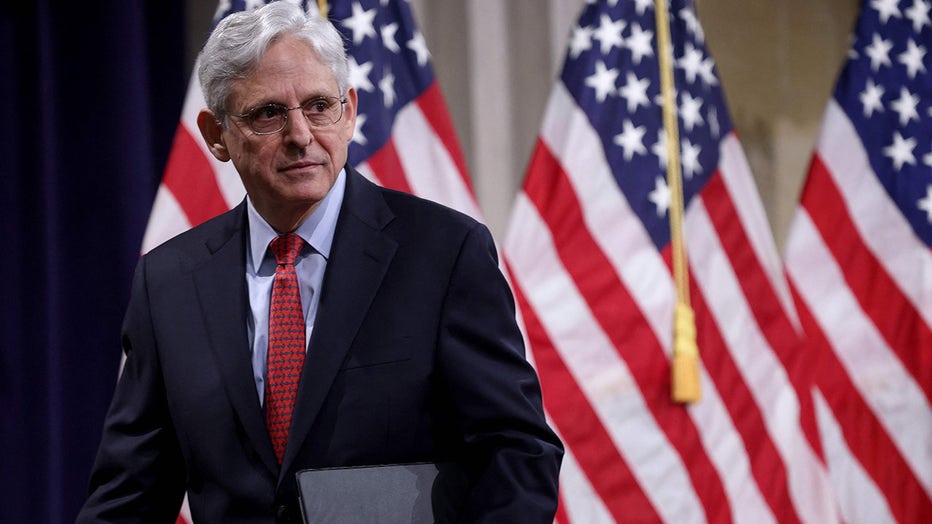
US Attorney General Merrick Garland departs after speaking during an event at the Justice Department June 15, 2021 in Washington, DC. - Garland addressed domestic terrorism during his remarks. (Photo by Win McNamee / POOL / AFP) (Photo by WIN MCNAMEE
Many Central Americans arrive on the border fleeing gang violence in their countries. But it isn't easy to qualify for asylum under U.S. immigration laws, and the Trump-era policies made it that much harder.
More than half of asylum cases decided by the immigration courts in the 2020 fiscal year were denials, according to data from the Department of Justice's Executive Office for Immigration Review. Four years earlier, it was about one in five cases.
In the current fiscal year, people from countries such as Russia and Cameroon have seen higher asylum grant rates in the immigration courts than people from El Salvador, Guatemala and Honduras, the data shows.
RELATED: SCOTUS rules against green card path for immigrants with temporary status
One of the Trump administration policies was aimed at migrants who were fleeing violence from non-state actors, such as gangs, while the other affected those who felt they were being targeted in their countries because of their family ties, said Jason Dzubow, an immigration attorney in Washington who focuses on asylum.
Dzubow said he recently represented a Salvadoran family in which the husband was killed and gang members started coming after his children. While Dzubow argued they were in danger because of their family ties, he said the immigration judge denied the case, citing the Trump-era decision among the reasons.
Dzubow welcomed the change but said he doesn't expect to suddenly see large numbers of Central Americans winning their asylum cases, which remain difficult under U.S. law.
"I don't expect it is going to open the floodgates, and all of a sudden everyone from Central America can win their cases. Those cases are very burdensome and difficult," he said. "We need to make a decision: Do we want to protect these people?'"