

What is Shigella? CDC calls increase in infections a 'public health threat'
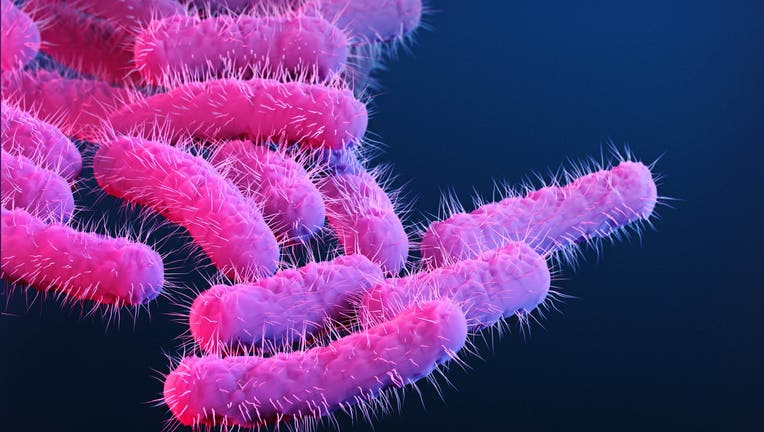
Shigella bacteria (Photo by Smith Collection/Gado/Getty Images)
The U.S. Centers for Disease Control and Prevention is warning of a public health threat tied to "extensively drug-resistant" bacterial Shigella infections that are rising in the U.S.
According to the CDC, out of 17,000 samples tested, the percentage found to have drug-resistant Shigella bacteria increased from 0% in 2011 to 8.5% in 2023. About a third of the patients were hospitalized.
Children under 5 years old, travelers, gay men and people experiencing homelessness are the most at risk. Here’s what we know:
What is Shigella?
The backstory:
According to the CDC, Shigella bacteria are found in poop and cause an infection called shigellosis. Shigella can spread from one person to another or through contaminated water, food, surfaces or objects.
Shigella is easily spread. It only takes a small amount of Shigella germs to make you sick.
RELATED: What is Hib? Doctors sound alarm on deadly bacterial disease
Shigella symptoms
Big picture view:
Shigella symptoms usually start one or two days after infection and last seven days. Most people with shigellosis experience:
- Diarrhea that can be bloody or prolonged (lasting more than three days)
- Fever
- Stomach pain
- Feeling the need to poop even when the bowels are empty
Who’s most at risk for Shigella?
Dig deeper:
People of all ages can contract Shigella bacteria, but the following groups are most at risk:
RELATED: High-protein diet may help fight cholera, study finds
- Children younger than 5 years old are the most likely to get shigellosis, as many outbreaks happen in early care and education settings and schools.
- Travelers to places where water and food may be unsafe and sanitation is poor. These types of Shigella infections are likely harder to treat.
- Gay, bisexual, and other men who have sex with men
- People who are experiencing homelessness
Shigellosis treatment
What you can do:
People with shigellosis usually feel better without antibiotic treatment within five to seven days. People with mild shigellosis only need fluids and rest, but some doctors may prescribe medicine to treat more serious cases.
There is not an approved treatment for shigellosis in the U.S.
The Source: This report includes information from the U.S. Centers for Disease Control and Prevention.