

5-day isolation for COVID-19 no longer needed, CDC says
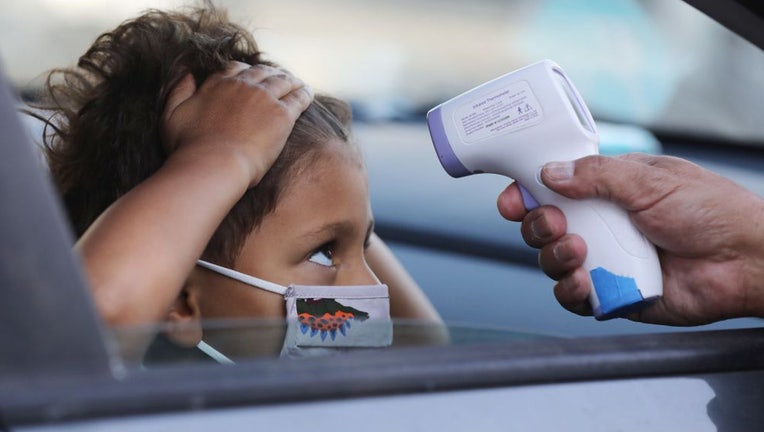
FILE - A student receives a temperature check before leaving the car to enter STAR Eco Station Tutoring & Enrichment Center on Sept. 2, 2020 in Culver City, California. (Mario Tama/Getty Images)
Americans who test positive for COVID-19 no longer need to stay in isolation for five days, the U.S. Centers for Disease Control and Prevention announced on Friday.
The health agency changed its longstanding guidance, saying people can return to work or regular activities if their symptoms are mild and improving and they have not had a fever for a day.
The change comes at a time when COVID-19 is no longer the public health menace it once was. It dropped from being the nation's third leading cause of death early in the pandemic to 10th last year.
Most people have some degree of immunity to the coronavirus from past vaccinations or from infections. And many people are not following the five-day isolation guidance anyway, some experts say.
"Our goal here is to continue to protect those at risk for severe illness while also reassuring folks that these recommendations are simple, clear, easy to understand, and can be followed," said Dr. Mandy Cohen, the CDC’s director.
However, some experts worry that the change may increase the risk of infection for those people who are more vulnerable to developing severe illness.
This is not the first time the CDC has changed its guidance on how long people who have been infected with COVID-19 should stay isolated.
Originally, it was 10 days, but in late 2021, the agency cut that down to five for Americans who catch the virus but did not have symptoms or only had a brief illness.
Under that guidance, isolation only ends if a person has been fever-free for at least 24 hours without the use of fever-reducing medications and if other symptoms are resolving.
At the time, agency officials said the changes were in keeping with evidence that people with the coronavirus were most infectious in the two days before and three days after symptoms develop.
What are the new guidelines?
If you have symptoms, stay home until your symptoms are mild and improving and it’s been a day since you've had a fever. But then you can remain cautious by wearing a mask and keeping a distance from others.
There is no change to guidelines for nursing homes and health care facilities, however.
The agency is emphasizing that people should still try to prevent infections in the first place, by getting vaccinated, washing their hands, and taking steps to bring in more outdoor fresh air.
The Associated Press contributed to this report. This story was reported from Los Angeles.