

Arizona attorney general reviewing automated license plate reader cameras
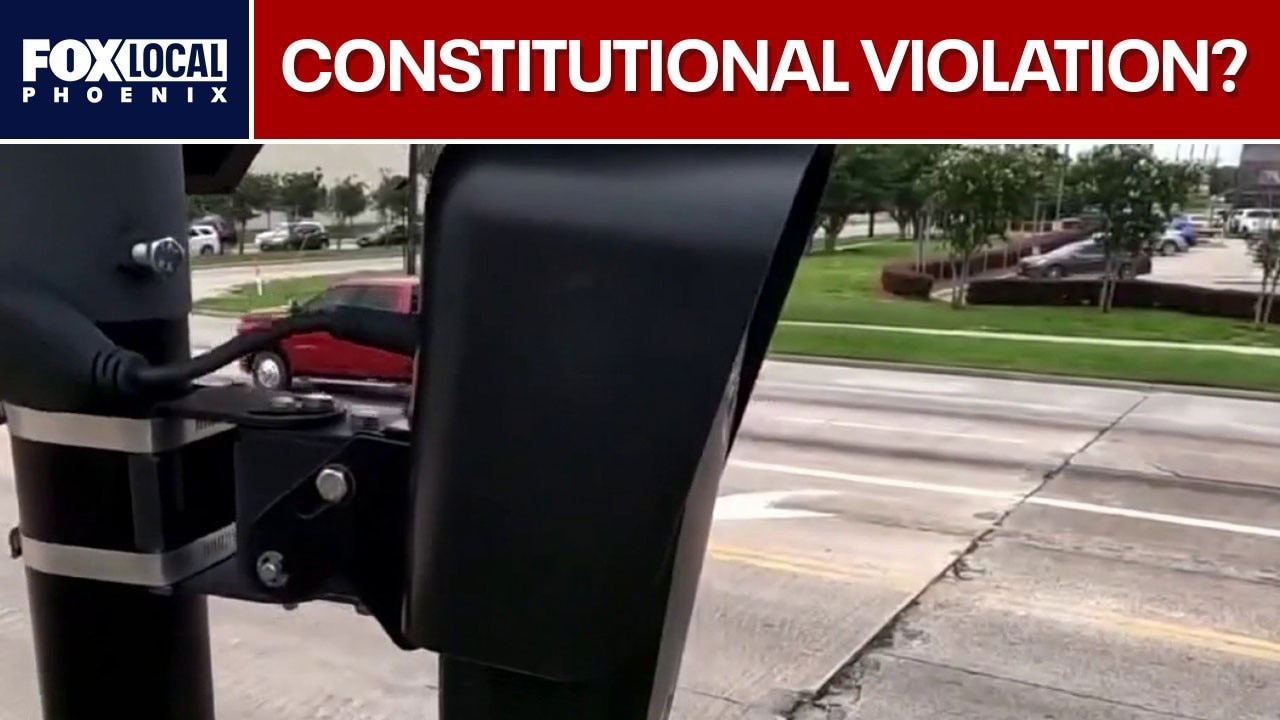
Statewide review targets automated tracking cameras
After legislation for comprehensive guardrails failed, Arizona's top prosecutor is stepping in to review surveillance technology. FOX 10's Jacob Luthi reports.
PHOENIX - Arizona Attorney General Kris Mayes announced Thursday that her office will review the use of automated license plate reader cameras across the state, including whether the technology could infringe on Arizonans’ constitutional privacy rights.
The review comes a day after Tempe and Cave Creek announced that they would end their Flock camera programs.
It also follows a month of growing scrutiny surrounding the technology, including allegations of misuse and the resignations of officers connected to the controversy.
What they're saying:
Mayes said her office will examine how automated license plate reader technology is used by law enforcement, its impact on privacy and potential Fourth Amendment concerns.
"Technology can and does play an important role in helping law enforcement solve and prevent crime, but its use must be balanced against the Constitution and Arizonans' privacy rights," Mayes said in a statement.
Mayes also expressed concern about cases involving alleged misuse and said she believes a statewide approach is needed.
Automated license plate readers, or ALPRs, can capture information about vehicles traveling through public areas, including their location and the time they were recorded.
Over time, experts say that data can potentially create a detailed record of a vehicle’s movements.
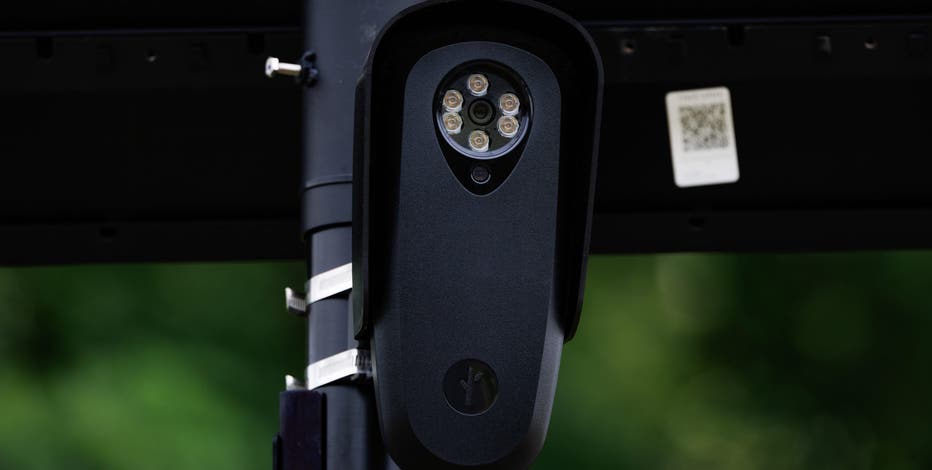
Arizona Governor candidates address Flock cameras as cities drop the technology
Privacy concerns have prompted several Arizona cities to end their license plate reader programs. Gov. Katie Hobbs and Rep. Andy Biggs addressed the issue this week.
Dig deeper:
Arizona currently does not have comprehensive statewide regulations governing the technology.
Senate Bill 1111, introduced earlier this year, would have required user training, access logs, annual audits and restrictions on data access. It also would have made officer misuse of the technology a Class 6 felony.
The bill did not reach the governor’s desk.
Some law enforcement agencies supported the legislation, while others argued it did not go far enough.
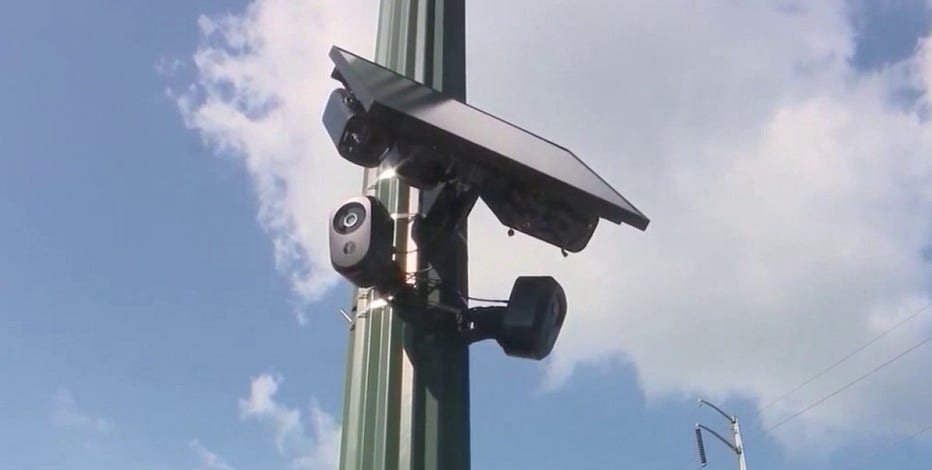
Arizona lawmaker details failed automated license plate reader bill as misuse investigations continue
State Sen. Kevin Payne sought guardrails for automated license plate technology, but after his bill failed in March, several Arizona agencies are dealing with fallout.
‘We have to be very vigilant’
Harry Maugans, a cybersecurity and digital surveillance expert, said lawmakers should establish safeguards before the technology becomes more widespread.
"This is not the kind of thing that you can just let the genie out of the bottle, you can put it back in the bottle. It's going to be there," Maugans said. But we have to be very vigilant today to build those guardrails and auditability and transparency and work with our lawmakers, and our city council, our senators to make sure that the genie doesn't take over the world."
Mayes said her office will prepare a report detailing its findings and provide it to the Legislature and the governor’s office once the review is complete.