

Arizona livestock owners on high alert after New World screwworm case confirmed
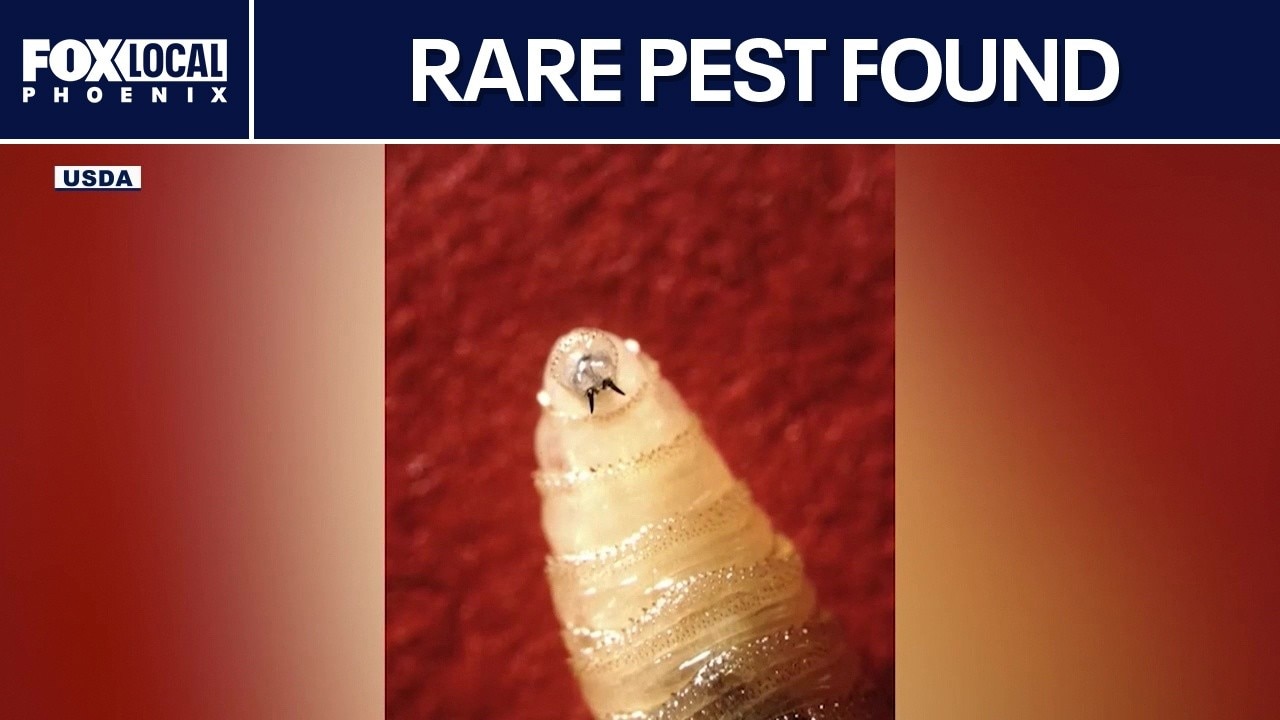
Flesh-eating screwworm returns to Arizona
A confirmed New World screwworm case in Cochise County puts Arizona ranchers on alert. FOX 10's Megan Spector reports.
PHOENIX - For the first time in decades, a destructive livestock pest has returned to Arizona.
The backstory:
On Oct. 28, state and federal officials confirmed a case of the flesh-eating New World screwworm in a Cochise County dog, and officials are urging livestock owners across the entire state to take precautions.
Local perspective:
At Roper Nation in Wickenburg, ranchers are not taking any chances.
"The first step in that is treating them with an injectable that’s called Dectomax CA1," Roper Nation owner Kyle Chrisman said. "Also we use a topical pour on that has abamectin in it. That’s going to help with fly control. Also, we do have fly bags that are hanging in the pastures."
Keeping the pest out starts with constant inspections.
"Making sure our cattle don’t have any wounds. And if they do have a wound, going ahead and inspecting that wound," Chrisman said.
Why you should care:
That is critical because screwworm flies target open wounds, laying eggs that hatch into flesh-eating maggots capable of killing an animal if left untreated. The U.S. wiped out the pest back in the 1960s, but after decades away, there is now one confirmed case in Arizona in a rural part of Cochise County.
What They're Doing:
Officials are using the proven tactic that originally eradicated the pest decades ago: using sterilized male flies to stop reproduction, while also establishing an infested zone with movement controls.
"In these infested zones, there is a requirement for permitted movements under those infested zones where the animals have to be evaluated and examined by a livestock inspector or a veterinarian and potentially treated prophylactically if needed," Arizona Department of Agriculture State Veterinarian Ryan Wolker said.
This fly can affect all warm-blooded species, so state officials say vigilance is key. While Roper Nation is hundreds of miles from the confirmed case, and the owner says there are no signs of the pest there, eyes are still on every animal.
"We have competitions here 6 days a week, and we bring in different sets of cattle about at least 2 times a week, so we’re going to be able to go through these steers at least twice a week to look at them. And that’s at a bare minimum," Chrisman said. "Plus, we go out into the pasture, and we feed them each and every day, so with three or four people handling the feeding chores around here, we’re able to get another good inspection then too."
What you can do:
More information from the Arizona Department of Agriculture is available here.
The Source: Information in this report was gathered from Kyle Chrisman, Roper Nation owner; Ryan Wolker, state veterinarian with the Arizona Department of Agriculture.