

Arizona's 'nursery for astronauts' helping shape NASA's mission to return to moon

Historian explores Flagstaff's significance in lunar missions
As the four astronauts complete their lunar flyby in NASA's Artemis II mission, an Arizona historian is highlighting the impact the state has on lunar exploration. FOX 10's Steve Nielsen learns more Arizona's connection to this 10-day test flight.
FLAGSTAFF, Ariz. - NASA reestablished communication with the Orion spacecraft on April 6, after it momentarily went out of range as it passed the dark side of the Moon. These four astronauts, along with all who came before them, trained right here in Arizona.
What we know:
Much of the Artemis II mission is preparation for the big moment when we step on the Moon again in Artemis IV. Even as they make history, they still have eyes on the future.
"We challenge this generation and the next to make sure this record is not long-lived," said Kevin Schindler, a historian at the Lowell Observatory in Flagstaff.
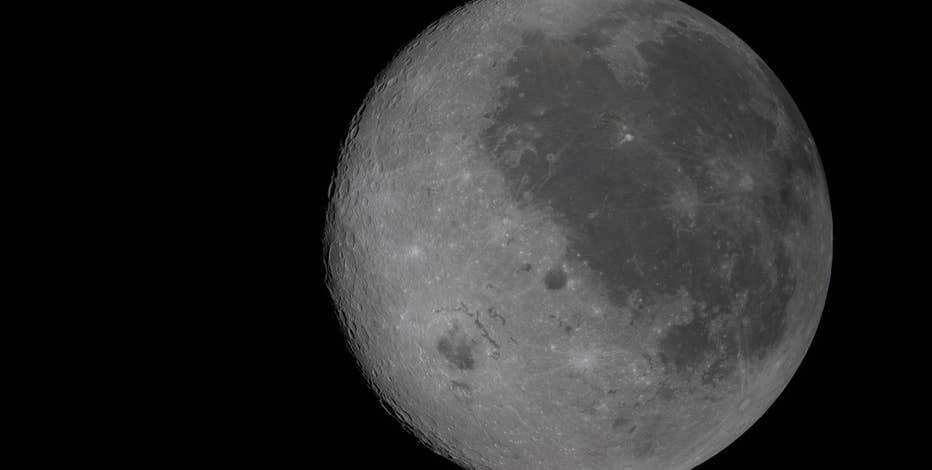
As the crew members fly by, traveling farther from Earth than any human has traveled before, they'll be looking at the surface of the Moon, mapping it even better— scouting for the perfect landing spot for Artemis IV and the return to the surface.
"For our species to be back there is really exciting," said Schindler.
Featured
Artemis II breaks Apollo 13 record, now farthest distance in space from Earth in history
The Artemis II crew has now traveled farther from Earth than any other human ever on its way to the moon.
Local perspective:
Schindler knows all about the training every man who walked on the Moon received in Northern Arizona. The USGS used explosives at Cinder Lake to create a crater field that mimicked the Moon's surface. Now, scientists are back again.
"A lot of the vegetation that grew in the last two decades has been removed and NASA is back using that for different things, developing and testing equipment like the rovers for astronaut training and other projects. So it’s great because that legacy is still alive," Schindler said.
In 2023, a prototype rover was tested firsthand with NASA engineers. It was trickier than it looked to control. The future lunar rover hasn't been selected yet, but it is assumed it will be tested in Arizona, too, and contain equipment made by engineers from Arizona State University.
Dig deeper:
Another Arizona connection is that an astronaut candidate for those future Artemis missions is former Flagstaff geologist Lauren Edgar.
"Here we go again, not only training astronauts, but also a nursery for astronauts in some ways, so we hope down the road in Artemis missions, Lauren follows in those footsteps and makes the journey to the Moon," Schindler said.
What's next:
The lunar observations are ongoing for the four astronauts aboard. Following the lunar flyby, they'll prepare to head home and return to Earth on April 10.
To track Artemis II in its orbit, click here.
The Source: This information was gathered by a Lowell Observatory Historian and NASA.