

RSV vaccine recommended for pregnant women, CDC says

What is respiratory syncytial virus (RSV)?
RSV is a common respiratory virus that usually causes mild, cold-like symptoms.
U.S. health officials on Friday recommended RSV vaccinations for moms-to-be, a second new option to protect newborns from serious lung infections.
The shots should be given late in pregnancy but only during RSV season, the Centers for Disease Control and Prevention said.
"This is another new tool we can use this fall and winter to help protect lives," said CDC Director Dr. Mandy Cohen in a statement.
Cohen signed off after a CDC advisory panel backed the vaccine. The only opposition came from a panel member who found the recommendation "incredibly complicated."
READ MORE: RSV vaccine: Older Americans can get shot this fall after talking to doctor, CDC says
A month ago, the agency recommended another option for infants to guard against severe RSV: lab-made antibodies given to babies younger than 8 months before their first RSV season. A single dose is given to babies by injection after they are born.
Most infants will likely only need protection from one — either the mom's vaccine or the antibodies — but not both, Cohen said.
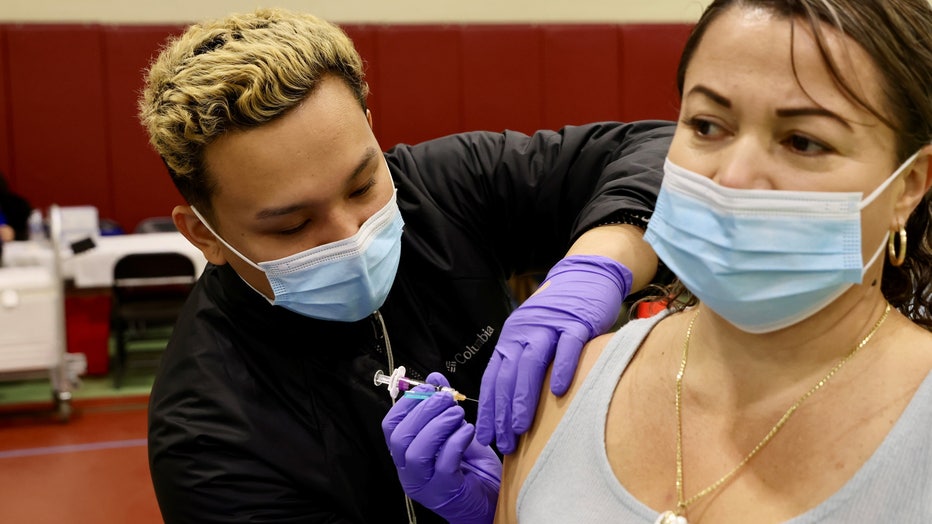
A health worker administers a flu vaccine shot to a local resident in Los Angeles, the United States, on Dec. 17, 2022. (Photo by Xinhua via Getty Images)
There is no head-to-head study that answers which is more effective, and no published research on how safe it is to give both. And they are both expensive, although the cost will be ultimately covered by insurance.
The RSV vaccine, made by Pfizer, should only be given between 32 weeks and 36 weeks of pregnancy. The shot prompts the moms-to-be to develop virus-fighting antibodies that pass through the placenta to the fetus. Protection in newborns likely drops after 6 months of age, so the shot is for use between September and January in most of the U.S., to coincide with the time of year when RSV infections tend to be most common.
A baby born in April, for example, may not have much immunity left from the mother's vaccination by the time the fall RSV season comes around.
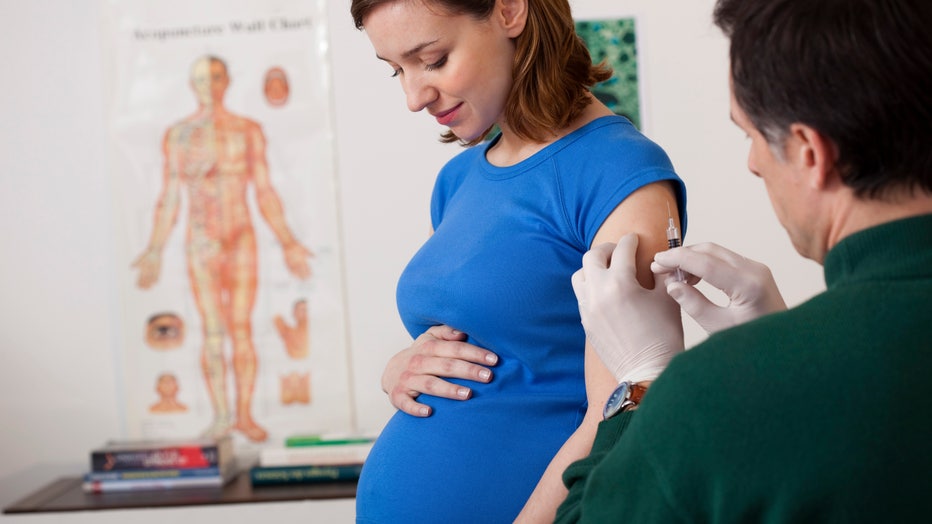
(Photo By BSIP/UIG Via Getty Images)
"It really depends on when the due date is as to how impactful this vaccination will be," said Dr. Grace Lee, chair of the CDC advisory panel.
RSV, or respiratory syncytial virus, is a common cause of coldlike symptoms. A surge last year filled hospitals with wheezing children, but far more U.S. seniors are hospitalized and die from the virus.
Two new vaccines were recently approved for Americans age 60 and older. There isn't a vaccine for children.
Some CDC panel members who ultimately supported the recommendation expressed reservations. Available data suggests the antibodies are a more cost-effective — and probably longer-lasting — way to prevent severe illness in infants. Several also balked at the $295-a-dose price Pfizer has been charging for the same RSV vaccine for seniors, called Abrysvo.