Flood Watch
until MON 5:00 AM MST, Eastern Cochise County below 5000 ft including Douglas/Wilcox, Upper Gila River and Aravaipa Valleys including Clifton/Safford, Southeast Pinal County including Kearny/Mammoth/Oracle, Western Pima County including Ajo/Organ Pipe Cactus National Monument, Dragoon/Mule/Huachuca and Santa Rita Mountains including Bisbee/Canelo Hills/Madera Canyon, Tucson Metro Area including Tucson/Green Valley/Marana/Vail, Tohono O'odham Nation including Sells, Baboquivari Mountains including Kitt Peak, Upper San Pedro River Valley including Sierra Vista/Benson, Chiricahua Mountains including Chiricahua National Monument, Galiuro and Pinaleno Mountains including Mount Graham, Santa Catalina and Rincon Mountains including Mount Lemmon/Summerhaven, White Mountains of Graham and Greenlee Counties including Hannagan Meadow, South Central Pinal County including Eloy/Picacho Peak State Park, Upper Santa Cruz River and Altar Valleys including Nogales, Northwest Plateau, Lake Havasu and Fort Mohave, North Phoenix/Glendale, Aguila Valley, Mazatzal Mountains, Tonopah Desert, Gila Bend, San Carlos, East Valley, Northwest Pinal County, Northwest Valley, Southeast Valley/Queen Creek, Globe/Miami, Deer Valley, Fountain Hills/East Mesa, Apache Junction/Gold Canyon, Buckeye/Avondale, Tonto Basin, Rio Verde/Salt River, South Mountain/Ahwatukee, Dripping Springs, Southeast Gila County, Pinal/Superstition Mountains, Scottsdale/Paradise Valley, New River Mesa, Sonoran Desert Natl Monument, West Pinal County, Superior, Cave Creek/New River, Central Phoenix, Yavapai County Mountains, Little Colorado River Valley in Navajo County, Western Mogollon Rim, Coconino Plateau, Chinle Valley, Yavapai County Valleys and Basins, Oak Creek and Sycamore Canyons, Grand Canyon Country, Chuska Mountains and Defiance Plateau, Northeast Plateaus and Mesas South of Hwy 264, Little Colorado River Valley in Coconino County, Black Mesa Area, Marble and Glen Canyons, Northeast Plateaus and Mesas Hwy 264 Northward, Northern Gila County, White Mountains, Kaibab Plateau, Eastern Mogollon Rim, Little Colorado River Valley in Apache County

Study: 7.4 million patients are misdiagnosed in US emergency rooms each year
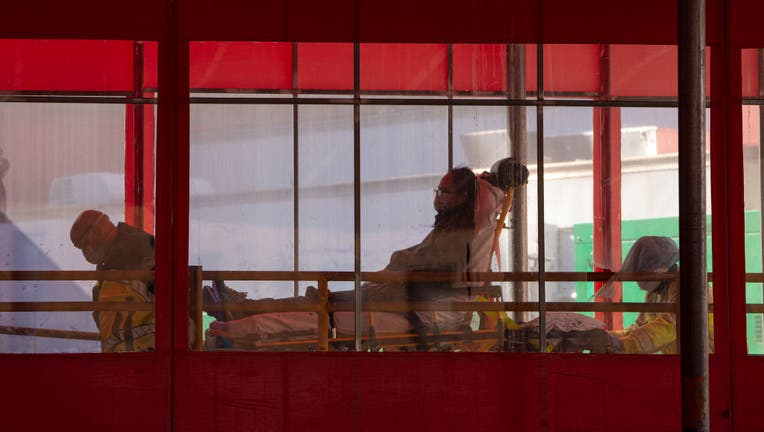
An Emergency Medical Team from a Long Island hospital take in a patient to the emergency room of the Elmhurst Hospital Center on April 06, 2020 in the Queens borough of New York City. (Photo by Robert Nickelsberg/Getty Images)

A new study revealed that nearly one in 18 patients receive an incorrect diagnosis while visiting an emergency room in the U.S. each year. 

The study was recently published by the Department of Health and Human Services. Researchers said they studied medical data from January 2000 through September 2021.

The study’s authors noted that diagnoses are often accurate, but each year, 5.7% of patients receive the wrong diagnosis. As a result, 2% of those patients suffer an adverse effect and about .3% of that is serious. 

RELATED: ‘Tripledemic’: High levels of COVID-19, RSV, flu may continue for weeks, ‘possibly even months,’ CDC warns

That translates to one in 50 suffering an adverse effect, and 1 in 350 suffering permanent disability or death.

To put it another way, researchers estimated of the 130 million emergency department visits per year in the U.S., 7.4 million patients are misdiagnosed, 2.6 million suffer an adverse effect, and about 370,000 suffer serious harm.

Stroke, myocardial infarction, aortic aneurysm/dissection, spinal cord compression/injury, and venous thromboembolism account for 39% of harms related to a misdiagnosis. 

The study noted that errors in diagnosis are lower in academic/teaching hospitals, but it’s not known if that is because of the availability of diagnostic technology. 

RELATED: AstraZeneca’s targeted therapy shows benefits for those with advanced breast cancer, trial shows

Researchers concluded while misdiagnosing is not a huge problem within the medical field, it’s nevertheless concerning because it can have a profound impact on patients. 

"Not all diagnostic errors or harms are preventable, but wide variability in diagnostic error rates across diseases, symptoms, and hospitals suggests improvement is possible," the study reported. 

To help prevent more cases, the study suggests that future policy should be designed to track misdiagnoses on the national level and a plan to immediately help patients that suffer harm.

This story was reported from Los Angeles. 


HealthU.S.News