

Trump says Iran peace deal to be signed Sunday: What we know
A deal to end the Iran war could be imminent as the U.S. and Tehran both show signs that an agreement could be signed in the coming days. However, the two sides gave differing answers about when it would happen.
When will an Iran deal be signed?
On Saturday, President Donald Trump posted that a deal to end the Iran war would be signed the following day and the Strait of Hormuz would reopen immediately afterward. Iran, on the other hand, appeared optimistic Saturday that an agreement would be finalized in the coming days, but claimed, "it will not happen tomorrow."
Still, they are some of the most optimistic statements. Pakistan, which has mediated many of the peace talks, also indicated an electronic signing ceremony was coming soon, adding that it was scheduled for Sunday. Each side was expected to sign electronically.
What they're saying:
In a post on Truth Social, Trump said, "the Deal is scheduled to get signed tomorrow, and immediately after it is signed, the Hormuz Strait is OPEN TO ALL."
Trump didn’t offer many more details on the deal, but he did say that it does include "a wall to no nuclear weapon."
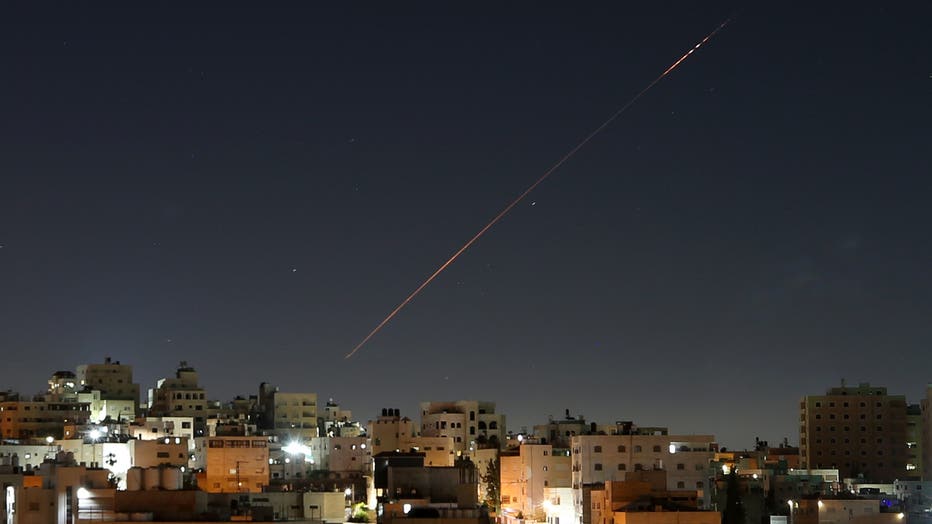
Missiles launched from Iran toward Israel are seen in the sky over the West Bank city of Hebron on June 7, 2026. (Photo by Wisam Hashlamoun/Anadolu via Getty Images)
"In fact, they no longer want a Nuclear Weapon, nor will they have one, either through purchase, development, or any other form of procurement," he wrote.
"We look forward to working with Iran, and the entire Middle East, long into the future. Hopefully, this process will all work out quickly, easily, and smoothly. If it doesn’t, we have the ultimate alternative, hopefully never to be used again!"
The other side:
Iran foreign ministry spokesperson Esmail Baghaei, however, said on state television, "the likelihood of finalizing the memorandum of understanding in the coming days is high."
How the deal happened
The backstory:
A tense ceasefire between the U.S. and Iran has been in place since April 7. Sporadic conflicts between the two nations did erupt intermittently during that time, particularly over the past week.
Multiple times since Saturday, the U.S. and Israel exchanged fire with Iran. The subsequent missile attacks and airstrikes threatened to end the ceasefire and plunge the Middle East back into full-scale war, as many of Tehran’s targets were in neighboring countries where U.S. military bases were located.
Trump claimed significant progress in negotiations on Thursday, just hours after he threatened to seize Iran’s oil industry. Another positive sign appeared on Friday not only when Iranian Foreign Minister Abbas Araghchi posted that an agreement "has never been closer," but also when Trump shared Araghchi’s post on his account.
Dig deeper:
The U.S. launched Operation Epic Fury on February 28, 2026, after Trump signed the order for it to commence. U.S. Central Command, along with U.S. partners, began their airstrikes. Iran, in turn, launched retaliatory missile and drone strikes against Israel, the United Arab Emirates, Qatar, Kuwait, Bahrain, Jordan, and Saudi Arabia. After about six weeks of fighting, the current ceasefire went into effect.
This is a developing story. Check back for updates.
The Source: This report includes information from President Trump's Truth Social account, The Associated Press and previous FOX Local reporting.