

NCAA approves 5-for-5 eligibility model for Division I athletes
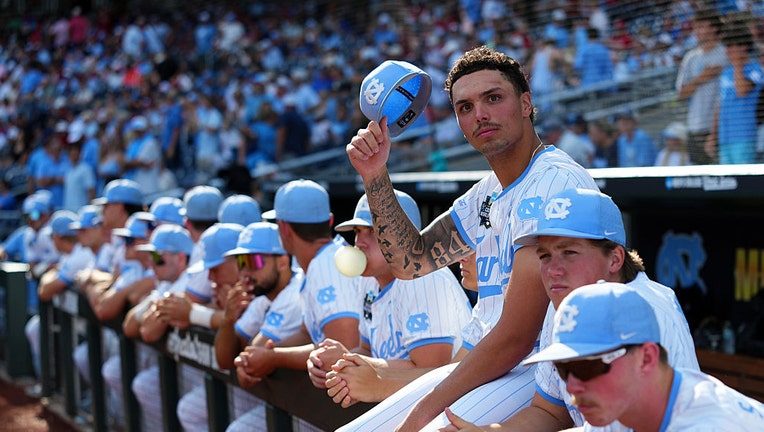
OMAHA, NEBRASKA - JUNE 22: Boston Flannery #42 of the North Carolina Tar Heels looks on prior to Game 3 of the NCAA College World Series baseball finals against the Oklahoma Sooners at Charles Schwab Field on June 22, 2026 in Omaha, Nebraska. (Photo
Seeking to reduce the uncertainty created by the transfer portal and ongoing legal disputes over athlete eligibility, the NCAA on Tuesday approved a new Division I eligibility model that grants athletes five seasons of competition within a five-year window, beginning either with full-time college enrollment or the academic year after their 19th birthday, whichever comes first.
Dig deeper:
The Division I Cabinet unanimously approved the change from the longstanding tenet of college sports that gave athletes five years to complete four seasons of competition with their eligibility clock starting at the time of enrollment, regardless of age.
The move will all but eliminate waivers or redshirt years for extended eligibility except for religious missions, maternity leave or active-duty military service. No longer will extensions be considered for athletes who are injured.
RELATED: NCAA expanding March Madness college basketball tournaments to 76 teams in 2027
What they're saying:
"While previous NCAA rules have served college sports well for a long time, we heard also loud and clear from NCAA members and student-athletes that eligibility rules should be easier to understand," NCAA President Charlie Baker said.
The NCAA believes the age-based model will make rules easier to administer and help make roster management more predictable for coaches.
"I think this new rule is one of the most sensible things the NCAA has ever done, and it will absolutely eliminate the type of eligibility litigation that’s predominated lately," said attorney Tom Mars, who represented Ole Miss quarterback Trinidad Chambliss in his successful quest for an additional year of eligibility in a case that went to the Mississippi Supreme Court.
Mars added, "Let me put it in bottom-line language: There’s no way somebody could file an eligibility case based on a medical waiver now with the new rule. Can’t be done. You can file it, I guess, but it will be immediately dismissed."
What's next:
The rules, which will become official when the Cabinet adjourns its meetings on Wednesday, are set to take effect this fall. Division I includes more than 350 schools, some 200,000 athletes and, with football and basketball leading the way, is by far the most lucrative of the three in the NCAA.
Big picture view:
The five-in-five language also is included in Senate legislation intended to address numerous concerns across college sports and comes after a wave of lawsuits from athletes seeking to extend their college careers and ability to earn money through revenue sharing and name, image and likeness deals. Still to be seen is whether the new rules will withstand legal scrutiny alongside the existing challenges.
Heisman Trophy runner-up and Vanderbilt quarterback Diego Pavia remains the lead plaintiff in a lawsuit challenging an NCAA rule counting seasons spent at junior colleges against players’ Division I eligibility time. That case is slated for trial in February.
The new eligibility model will affect all athletes who enroll in 2027-28. Currently enrolled athletes with eligibility after the 2025-26 academic year, and those who are incoming freshmen this fall, can apply the age-based model or continue under previous eligibility rules. It would be advantageous this year for some incoming freshman hockey players to use the traditional model if they are coming from the junior ranks and are 20, as is common in the sport.
For schools with current athletes who may be eligible for hardship waivers or extensions of eligibility under current rules, the D-I Cabinet indicated the deadline to submit requests to the NCAA is July 31. After that date, waivers would no longer be available.
The Source: The Associated Press contributed to this report. The information in this story comes from the NCAA’s approval of a new Division I eligibility model by its governing bodies, which announced the rule change Tuesday. This story was reported from Los Angeles.