

Allison Feldman murder: Ian Mitcham found guilty
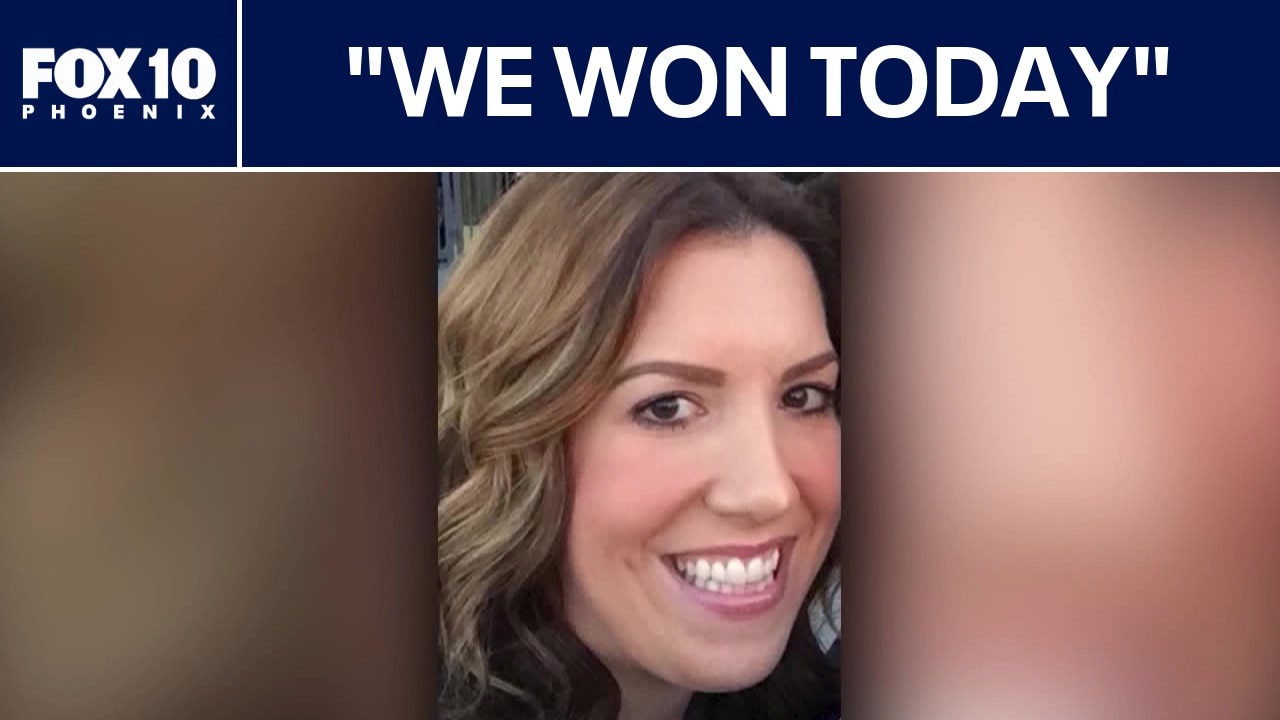
Allison Feldman trial: Father reacts to verdict
After years of legal battles, Ian Mitcham has been found guilty of three charges in connection with the murder of Allison Feldman in 2015. FOX 10's Nicole Krasean spoke with the victim's father and friends, and has more.
PHOENIX - Ian Mitcham has been found guilty in connection with the murder of a Scottsdale woman over a decade ago.
What we know:
According to reports, Mitcham has been found guilty of 1st degree murder in connection with the death of Allison Feldman. He was also found guilty of burglary and sexual assault.
Mitcham, who is now 50, was found guilty almost eight years following his arrest in connection with the case.
The backstory:
According to our previous report, Allison was murdered at a home near Pima and Thomas Roads, and she was found dead on Feb. 18, 2015 by her then-boyfriend.
"We knew something was wrong," Allison's father, Harley, recounted in 2021. "She hadn't called all day. We hadn't heard from her the night before. Her phone was off. In sales, your phone is never off."
According to investigators, the boyfriend told police he went to Allison's home to check on her welfare.
"The front door to the house was locked. [The boyfriend] used a key and went inside," investigators wrote. "He smelled a strong odor of chlorine or bleach coming from inside the house."
The boyfriend, per the court documents, found Allison dead in a hallway.
Court documents contained graphic details surrounding the case. According to investigators, the victim was found in a state of undress, and the suspect allegedly strangled Allison, beat her, and sexually assaulted her with a beer bottle.
"This case was one of the worst scenes that I've been to," said Scottsdale Police Detective John Heinzelman.
Dig deeper:
Mitcham, according to court documents, was arrested on April 10, 2018. At the time of his arrest, he was working at a deli, and was living with members of his family.
We previously reported that Mitcham was identified as the suspect via familial DNA.
"In familial DNA, think of that more like casting a net over a large group of family members or what will be called first degree relatives of that unknown DNA profile," Heinzelman explained.
A partial DNA profile was developed from the crime scene by investigators, and familial DNA was used to find a partial match to a first-degree relative who was in prison at the time.
Following Mitcham's arrest, it was discovered that a blood sample taken from him in a prior DUI arrest three years prior was stored as evidence, and this newly-acquired DNA profile matched the one developed from the crime scene.
Also: Learn more about forensic genealogy
Legal Problems:
In January 2023, a Maricopa County judge threw out the DNA sample that led to Mitcham's arrest. The judge focused on blood that was collected from Mitcham during one of his prior DUI arrests: at the time, two vials were collected, one of which was used for testing during the course of the DUI investigation, while the other vial was meant to be used for independent testing on Mitcham's behalf, should he so choose.
In his ruling, the judge said Mitcham signed a notice that stated the second vial of blood would be destroyed after 90 days if a testing request was not made. However, that vial of blood was never destroyed, and remained in Scottsdale Police custody until late 2017, when Mitcham became a suspect in Feldman's murder.
"A subsequent analysis of the blood vials generated a DNA profile that matched the profile found at the scene of the crime. Police later obtained a search warrant to collect a buccal swab from Defendant, and the evidence collected pursuant to that warrant matched as well," read a portion of the ruling.
The judge ruled that since Mitcham agreed to the taking and analysis of his blood for drug and alcohol testing, the subsequent DNA analysis exceeded the scope of consent.
Prosecutors appealed the ruling in June 2023, and in August that same year, a state appeals court reversed it. The state Supreme Court heard arguments on the DNA evidence in September 2024, and in December that same year, the state Supreme Court ruled that the DNA evidence can be used.
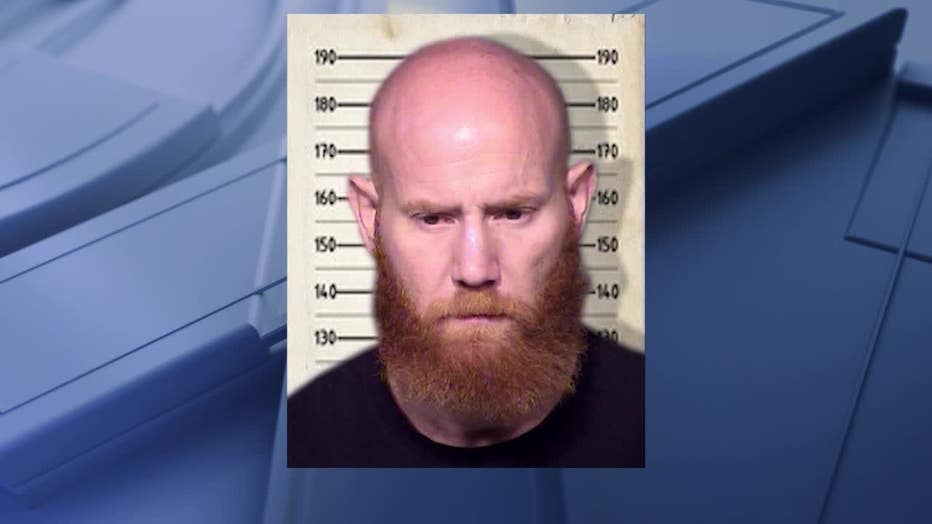
Ian Mitcham
According to the state Supreme Court ruling, while the 2018 creation of Mitcham's DNA profile from that second vial of blood constituted a search, and that the search was unreasonable and violated Mitcham's 4th Amendment rights, a legal doctrine called the "inevitable discovery exception" applies because prosecutors would have inevitably discovered Mitcham's DNA profile.
The justices, in their ruling, based that on a state law that requires the Arizona Department of Corrections, Rehabilitation & Reentry to take a sample of blood or other bodily substances "for purposes of DNA profiling from every person convicted of a felony and sentenced to prison."
The ruling noted that Mitcham pleaded guilty to various charges unrelated to the murder six months prior to an evidence suppression hearing on the Feldman murder case, and was subsequently sentenced to serve time at a state prison.
"Thereafter, ADCRR is required to transmit the sample to DPS, which must extract a DNA profile and enter the results into Arizona's DNA identification and CODIS," read a portion of the state Supreme Court ruling. "If the police had not created a DNA profile from the second vial of blood in 2018, DPS would have done so after [Mitcham's] 2022 felony convictions."
Local perspective:
There were tears and sighs of relief in the courtroom on April 9.
"It's been a long haul," said Allison's father, Harley Feldman. "I've done this for Allison all the way, and we won today."
Harley said with the guilty verdict, his daughter's death has now been avenged in the best way possible.
"I was so impressed with the jurors who listened to four months of testimony, some very long days, and they were all very attentive," said Harley.
One juror was visibly emotional when returning to the courtroom for the verdict, and another said "absolutely" rather than a simple "yes" when the presiding judge asked him to confirm the verdict.
While Mitcham remained stoic, Allison's family and friends embraced.
"She had so many friends, and they all come today, and they came to honor her like they always have," said Harley.
"She would've done the exact same thing if this was reversed," said Allison's best friend, Katie Wood. "There's no doubt in my mind, and she deserved that, and Harley deserved to have me be there with him too. I didn't want him to be there by himself."
What's next:
Mitcham will be sentenced at a later date.
Harley said while sentencing will bring justice, it will never bring full closure.
"The problem is we have the life sentence," said Harley. "We'll never have her back, and that's the really hard part."
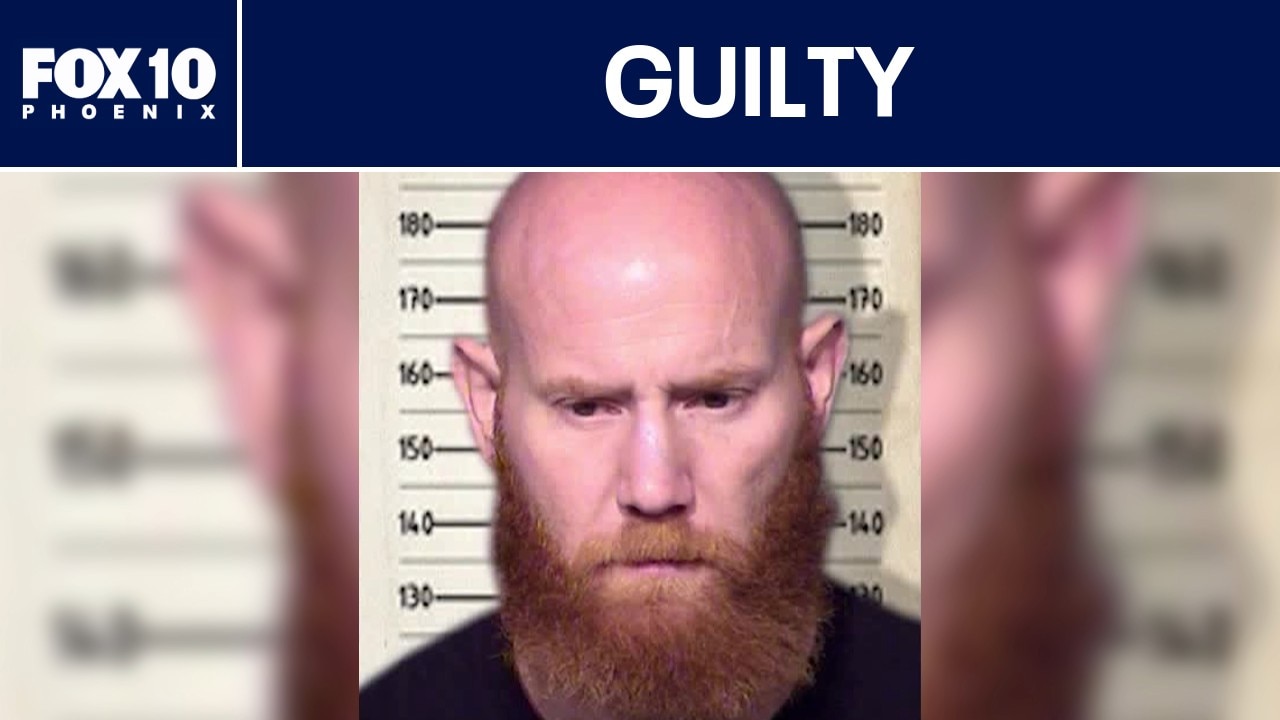
Allison Feldman: Ian Mitcham guilty in murder case
A jury has found Ian Mitcham guilty of murder, burglary and sexual assault in connection with the 2015 murder of Allison Feldman in Scottsdale. FOX 10's Brian Webb has more.
The Source: Information for this article was gathered by FOX 10 staff members and FOX 10's Nicole Krasean, and from previous FOX 10 news reports.