

Americans expected to pay more to cool homes this summer, new research finds
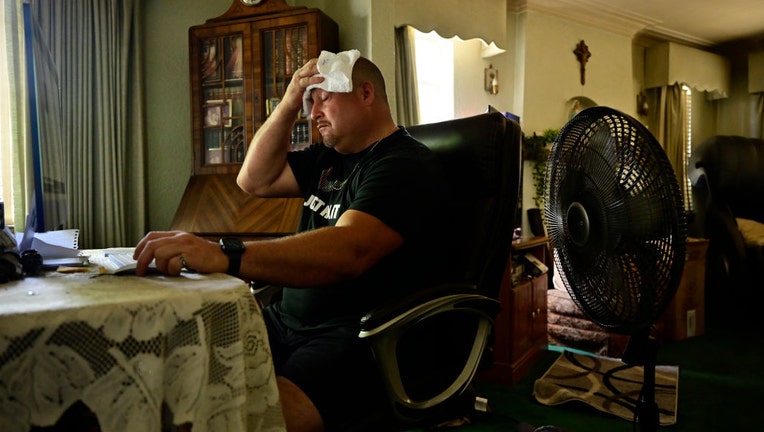
FILE-A man works in his home with a fan and air condition turned on. (Photo by Hyoung Chang/The Denver Post)
The summer months are fast approaching, and most households are seeking relief from hot temperatures nationwide.
Given that many Americans rely on air conditioning as a primary resource to cool down their homes, a new report from the National Energy Assistance Directors Association (NEADA) and the Center for Energy Poverty and Climate reveals that this will cost them even more money this summer.
U.S. households projected to pay more to cool their homes this summer
By the numbers:
Americans are expected to pay more to cool their home, with average residential electricity expenditures expected to rise 10.5%, spiking from $717 in 2025 to $792 in 2026.
RELATED: New report reveals utilities plan $1.4 trillion in spending that may push higher bills for consumers
The increase in prices follows a trend of summer cooling costs growing almost 40% since 2020, fueled by both rising electricity prices and soaring summer temperatures that compel Americans to utilize their air conditioning routinely and for longer periods of time, according to the National Energy Assistance Directors Association (NEADA) and the Center for Energy Poverty and Climate.
Higher costs to cool homes are also creating affordability obstacles for low and moderate-income households, with the report unveiling metrics that show one in six American households are behind on their utility bills.
Separately, utility companies disconnected electric service 13.5 million times in 2024, while almost 40% of homes earning less than $50,000 reported challenges paying energy bills.
Additionally, the report noted that total utility debt is expected to reach $25 billion by the conclusion of 2026.
The Source: Information for this story was provided by a report from the National Energy Assistance Directors Association (NEADA) and the Center for Energy Poverty and Climate. This story was reported from Washington, D.C.