

Federal government mandates lower basin water cuts in new proposal
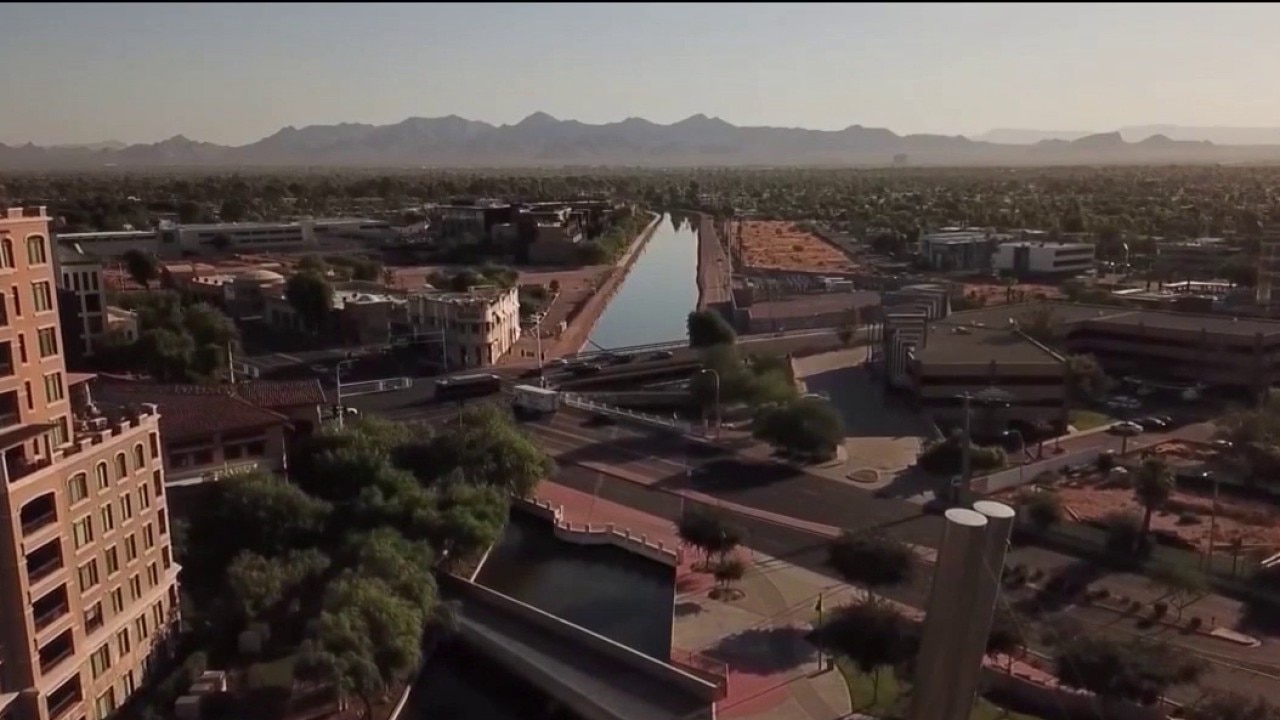
New federal plan could trigger deep water cuts for Arizona
A framework agreement was released regarding cuts to the Colorado River water, and Arizona could take the biggest hit. FOX 10's Jacob Luthi learns more about how it could impact residents, as the state awaits the final details of the plan.
PHOENIX - The agency that delivers Colorado River water to more than 6 million Arizonans is raising concerns about a new federal framework that could result in deeper water cuts for the state.
What we know:
The Central Arizona Project, a 336-mile canal system that supplies water to central and southern Arizona, including the Phoenix and Tucson metropolitan areas, farms and tribal communities, is responding to the federal government's Final Environmental Impact Statement (FEIS) for future Colorado River operations.
The FEIS serves as the federal government's blueprint for managing the Colorado River after the current water-sharing rules expire at the end of this year. It outlines a framework for operating the river and its reservoirs through 2036.
Proposed Plan:
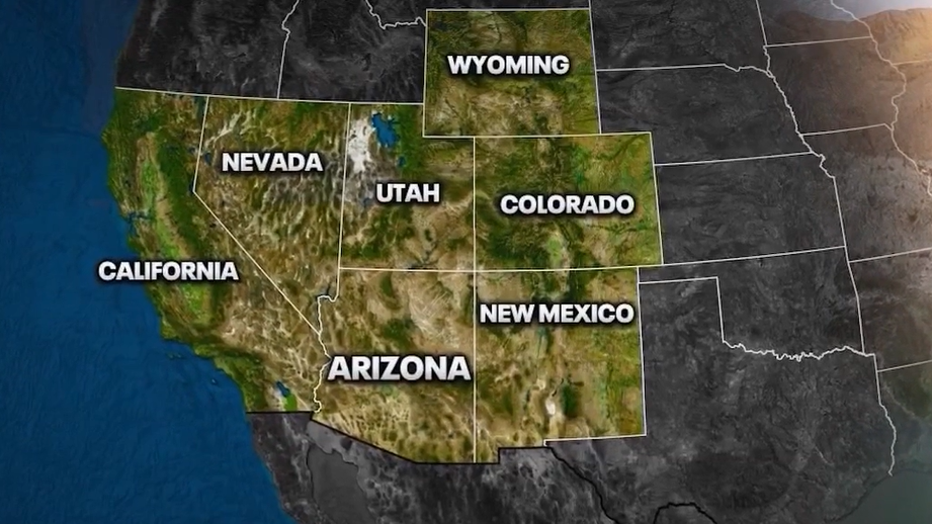
After months of deadlocked negotiations among the seven Colorado River basin states, the federal government proposed mandatory short-term reductions for the Lower Basin states — Arizona, California and Nevada.
What it Could Mean for AZ:
Alexandra Arboleda, a board member for the Central Arizona Water Conservation District, which oversees the CAP, said the proposal could have major consequences for Arizona. She said any plan that threatens water deliveries to Arizona's largest cities is concerning.
"Any kind of solution that is going to potentially cut off the water supply for a city like Phoenix and cities like Tucson is not a good solution," Arboleda said.
AZ Could Take Big Hit:
According to the Department of the Interior, the Lower Basin states could face shortages of up to 3 million acre-feet to protect critical dams. Under nearly every alternative presented, Arizona would absorb the largest share of the reductions.
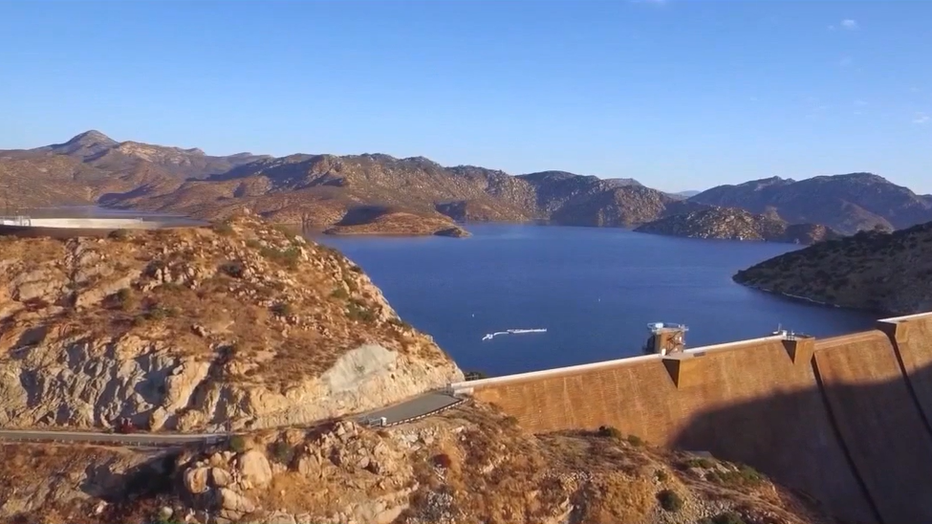
Arboleda said Arizona has already taken significant voluntary conservation measures.
"I think Arizona has really led the way in terms of agreeing to take reductions voluntarily, uncompensated, and we have taken the most reductions more than any other state," Arboleda said. "Sometimes it seems that doesn’t get recognized."
Politicians React:
State and federal leaders also criticized the proposal.
Gov. Katie Hobbs said in a statement:
"While this FEIS still contains unacceptable options that include the federal government forcing Arizona to take the majority of draconian water cutbacks, implementing the Lower Basin agreement would protect Arizona from massive water cuts, distribute reductions more fairly across the Lower Basin States, and provide stability and protection to the water supply that our communities rely upon."
U.S. Rep. Andy Biggs said he was disappointed with the report.
"I was disappointed in this because the upper basin states are not making any cuts," Biggs said. "They’re not increasing their conservation either."
The Impact on AZ:
While Arboleda said CAP is preparing for multiple scenarios and will work with cities to reduce the impacts on residents, she said Arizonans will still feel the effects.
"I think this will affect our economy, and we’ll definitely feel it," Arboleda said. "Water is going to get more expensive. That is something we can count on, and it’s going to be a challenge to respond to whatever reductions we see."
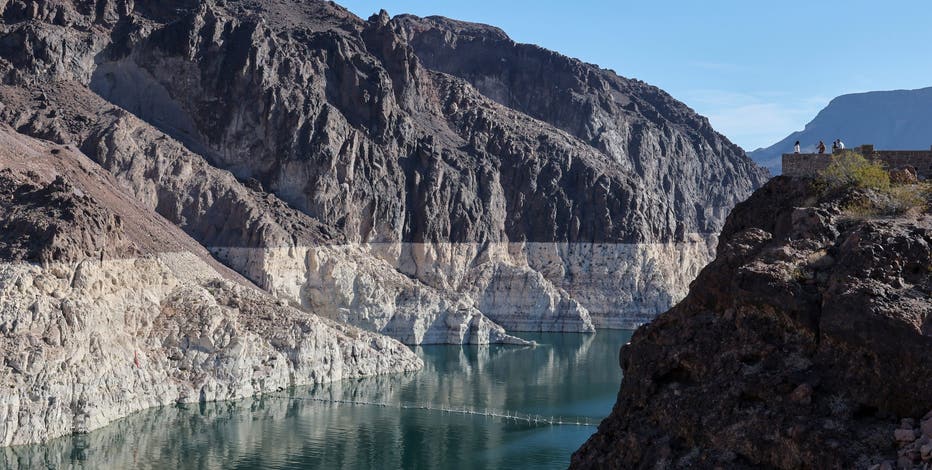
Colorado River water cuts: Arizona impacted under new proposal
The proposal released on July 31 by the U.S. Bureau of Reclamation says Arizona, California and Nevada could face collective cuts up to 3 million acre-feet through 2036, which is about enough water to serve more than 25 million people a year, the Associated Press reports.
Dig deeper:
Arboleda said she supports the Lower Basin Proposal. As an alternative to the proposals in the FEIS, the proposal would have Arizona, Nevada and California commit to conserving over 3.2 million acre-feet of water over a 2-year period. She said that approach would distribute the conservation burden more evenly among the three states.
What's next:
Arizona officials are now awaiting the federal government's final decision on how the new Colorado River operating plan will be implemented, which could come as soon as this week.
The Source: Information in this report was gathered from the Central Arizona Water Conservation District, Alexandra Arboleda, the federal government, the Department of the Interior, Gov. Katie Hobbs, and Rep. Andy Biggs.