

Monsoon: New I-17 drainage system in Phoenix helps prevent flooding
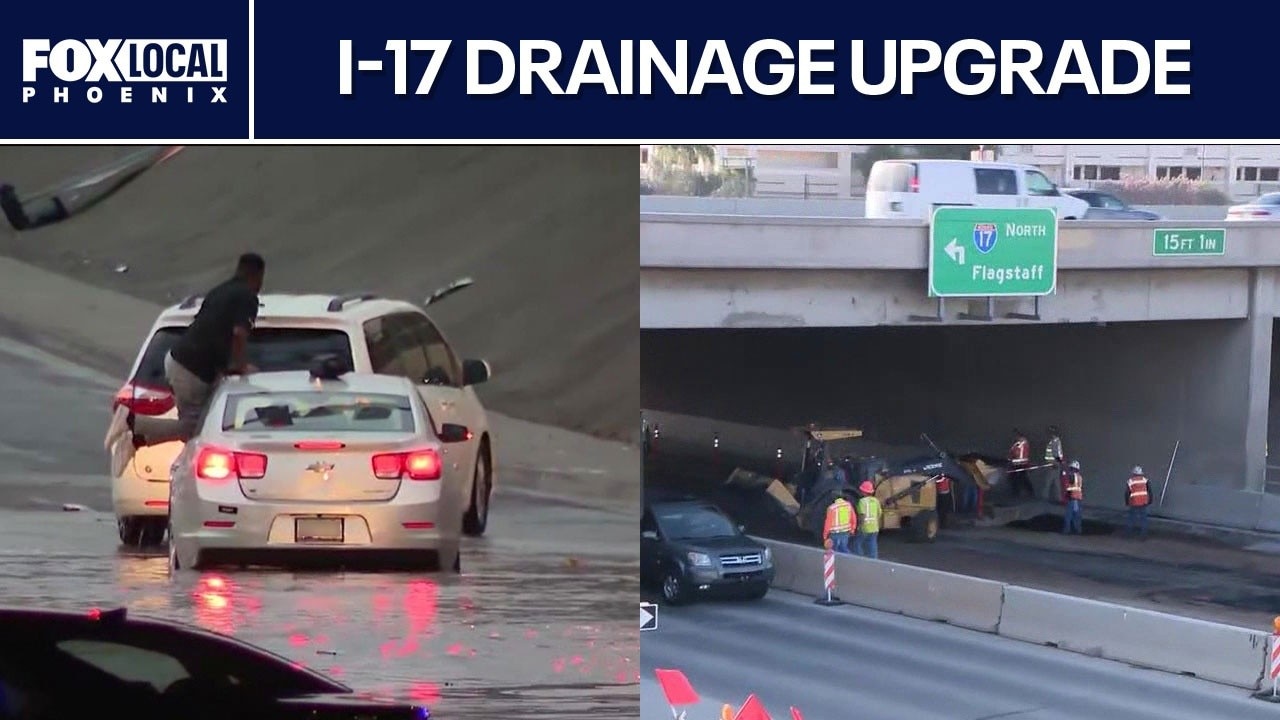
Monsoon: New I-17 drainage helps prevent flooding
A new drainage system is proving its value by keeping standing water out of low-lying underpasses along a portion of I-17 in Phoenix. FOX 10's Jacob Luthi reports.
PHOENIX - Arizona transportation officials say a drainage system installed along Interstate 17 in north Phoenix in 2023 is helping reduce flooding at low-lying underpasses during Arizona's monsoon season.
What we know:
The Arizona Department of Transportation (ADOT) said they managed construction of the $38 million gravity-controlled drainage system between Peoria Avenue and Greenway Road. Spokesperson Kelsey Mo said the project replaced pump stations that had been in service since 1964, and is designed to protect I-17 underpasses that have long been prone to flooding during heavy monsoon storms.
Dig deeper:
Instead of relying on the older pump stations, the new system uses angled pipelines to quickly move stormwater into retention basins and the Arizona Canal diversion channel, helping keep water off the roadway.
Officials say the drainage improvements have reduced standing water incidents in the area since the system was installed.
Big picture view:
The I-17 project is part of a broader flood mitigation effort across the Phoenix metropolitan area. ADOT says more than 60 pump stations are positioned throughout the region and can remove up to 12,000 gallons of water per minute.
What they're saying:
While the agency says the upgrades help reduce flooding, officials caution they cannot eliminate it entirely during severe monsoon storms.
"During a monsoon storm, drivers should be prepared to slow down on wet freeways and local streets," Mo said. "Give yourself more room behind the vehicle ahead to provide a safe amount of stopping distance if you need to stop. And also, if you do see pooling water anywhere, avoid driving into those areas where water is building up."
ADOT says its engineers maintain the pump systems year-round to keep them operating properly. If flooding makes roads too dangerous to travel, the agency works with law enforcement to reroute drivers.
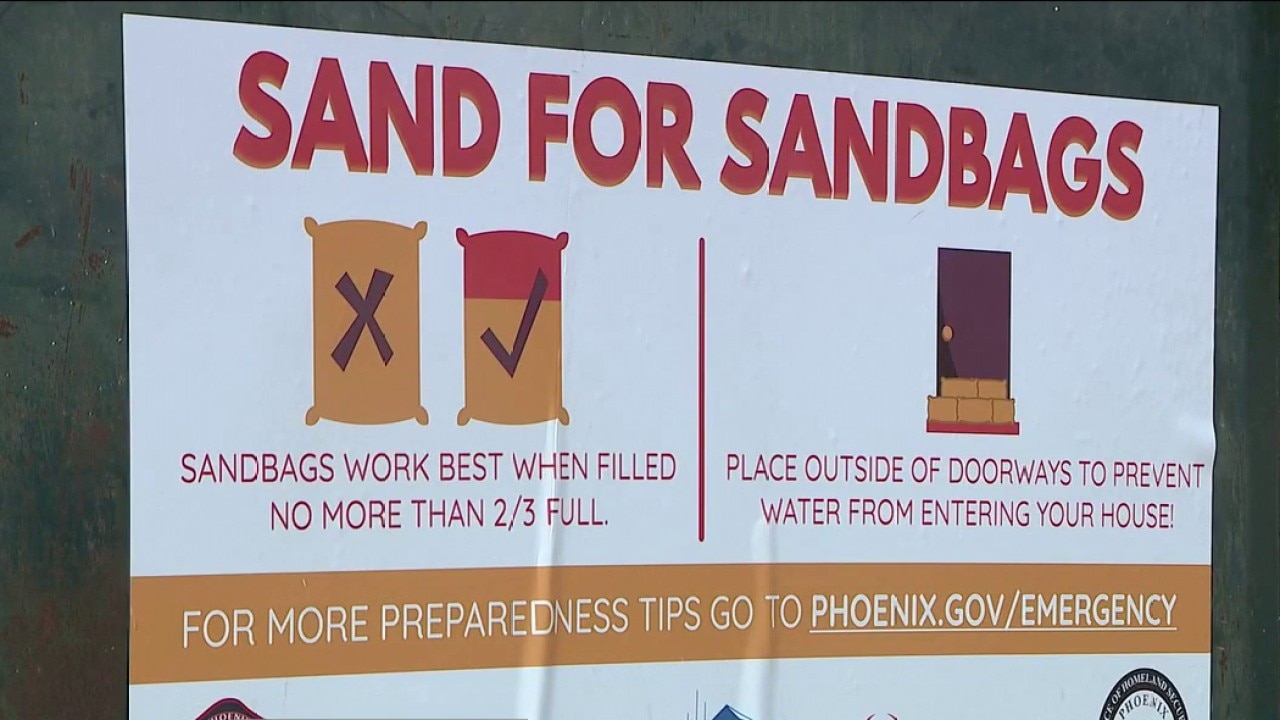
(Related Video) Monsoon: Crews on alert for possible flooding
With rain in the forecast through Friday, crews in the Phoenix area are on alert for possible flooding, and they say people should be prepared. FOX 10's Jacob Luthi reports.
The Source: Information in this report was gathered from the Arizona Department of Transportation and ADOT Spokesperson Kelsey Mo.