

Stopping Indoctrination and Protecting Kids Act: Congress debates school gender policies
School gender identity bill could change federal funds
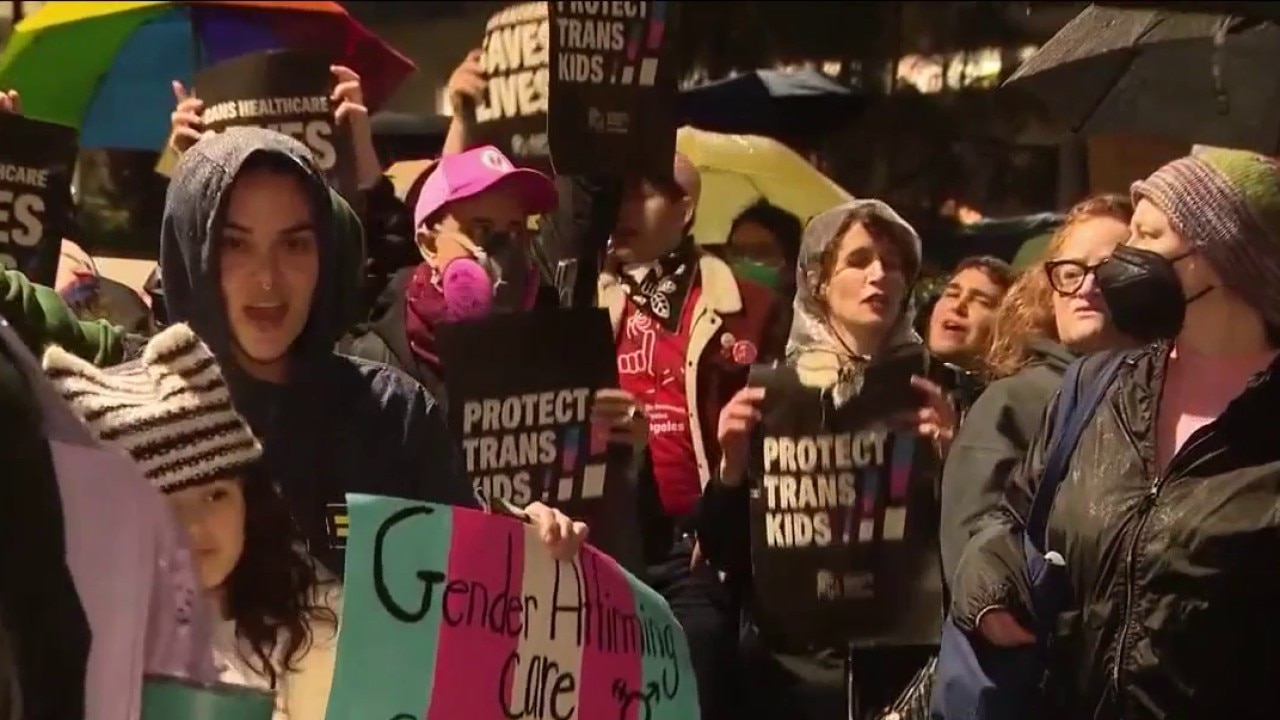
A new congressional bill called the Stopping Indoctrination and Protecting Kids Act could strip federal funds from elementary and middle schools that allow gender identity changes without parental consent. FOX 10's Andrew Christiansen has more on the debate surrounding the proposal.
PHOENIX - Elementary and middle schools could risk losing their federal funding if a new bill passes the Senate and makes it to the president's desk.
What we know:
The legislation would require schools to get permission from parents before allowing a student to identify as another gender on campus. There is an ongoing debate surrounding the proposal.
"This is just kind of an unnecessary law and not really the appropriate level of government to be making these kinds of decisions," said Michael Soto, the president and CEO of Equality Arizona.
The other side:
Conversely, supporters of the measure argue that the rules protect the fundamental rights of families.
"It is the parent's right to have consistent communication with the public school system and that's a net positive," said Tyler Cain, the chair of the Maricopa County Young Republicans.
Big picture view:
The two differing opinions center on House Resolution 2616, also called the Stopping Indoctrination and Protecting Kids Act. Michigan Republican Tim Walberg sponsored the bill.
"It also places teachers in a difficult position, sometimes expecting them to withhold information from parents or be less than fully transparent," Walberg said.
The bill would require a parent's permission to change their child's gender on school forms and also for students to use a bathroom that does not align with their gender at birth.
"I would hope that parents know that," Soto said. "I think it's really up to that child though, to that young person, do they feel safe telling their parents that?"
What they're saying:
But Soto, who is a transgender man, says this bill rolls back progress made by the LGBTQ community.
"These things are often rooted in misinformation, disinformation, propaganda, and ultimately fear to get the average person afraid of LGBTQ people," Soto said.
How Each Party Handled It:
The regulatory landscape surrounding gender identity in public education has shifted across recent presidential administrations. The Biden Administration expanded the definition of Title IX to include that people cannot discriminate based on gender or gender identity, requiring schools to use preferred pronouns.
The Trump administration got rid of that expansion, saying that not discriminating against someone's sex is basis enough.
Dig deeper:
Proponents of the congressional measure compare the policy to standard school rules that govern minors.
"There's plenty of things that parents have to sign off on in common society for their minor children if they wanted to do that, to get a tattoo," Cain said.
Cain says the bill opens the door for more transparency between schools and parents.
"This is an important step going forward to have more communication between parents and mandatory reporting of all kinds," Cain said.
What's next:
If the bill were signed into law, schools would lose federal funding if they do not comply with it. This federal bill still has to pass the Senate and then go to the president before it can become law.
Local perspective:
In Arizona, there is a similar bill going through the legislature at the state Capitol.
The Source: