

USDA cancels $1 billion in funding for schools and food banks to buy food from local suppliers
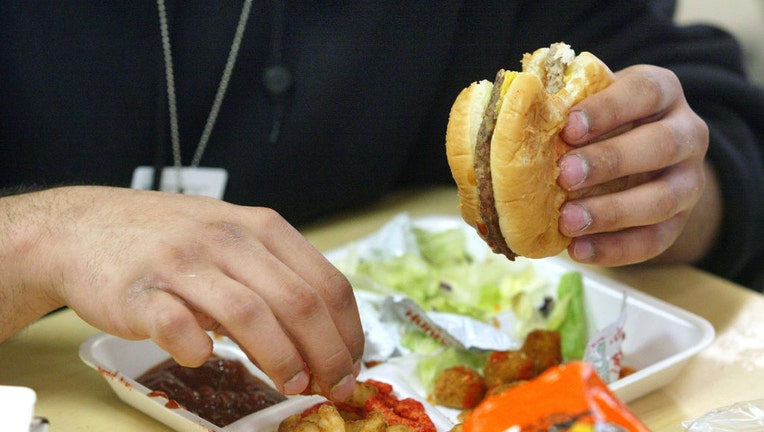
FILE-A student eats lunch inside a school cafeteria. (Photo by Tim Boyle/Getty Images)
The United States Department of Agriculture cut more than $1 billion in funding to help schools and food banks buy from local farmers.
States were informed that the USDA had cut funding for the Local Food for Schools Cooperative Agreement Program for 2025, according to a release from the School Nutrition Association, a non-profit professional organization representing 50,000 school nutrition professionals across the country.
RELATED: DOGE cuts outlined in new Trump executive order: See the list
USDA releases statement
What they're saying:
FOX Television Stations obtained a statement from a USDA spokesperson on the matter.
"As a pandemic-era program, Local Food Purchase Assistance Cooperative Agreement Program (LFPA) will now be sunsetted at the end of the performance period, marking a return to long-term, fiscally responsible initiatives. This isn’t an abrupt shift—just last week, USDA released over half a billion in previously obligated funds for LFPA and LFS to fulfill existing commitments and support ongoing local food purchases."
RELATED: Widower pays off school lunch debts statewide, honoring late wife's legacy
"With 16 robust nutrition programs in place, USDA remains focused on its core mission: strengthening food security, supporting agricultural markets, and ensuring access to nutritious food. Unlike the Biden Administration, which funneled billions in CCC funds into short-term programs with no plan for longevity, USDA is prioritizing stable, proven solutions that deliver lasting impact. The COVID era is over—USDA’s approach to nutrition programs will reflect that reality moving forward."
Why is the USDA cutting school, food banks funding?
Dig deeper:
The move is part of cuts to multiple federal programs to minimize government waste led by President Donald Trump and the Department of Government Efficiency (DOGE). The U.S. Department of Agriculture programs were funded through its Commodity Credit Corporation, a Depression-era fund established to purchase products from farmers.
What does this mean for schools?
Local perspective:
With the funding cuts to local schools and food bank programs of over $1 billion, the School Nutrition Association noted that an estimated $660 million of those funds were allotted for schools to make local food purchases this year and $420 million for a second program known as the Local Food Purchase Assistance Cooperative Agreement, which offers assistance to food banks and other local groups furnishing food in their areas.
RELATED: Lunchables removed from school lunch menus nationwide
Last year, the USDA announced a more $1 billion investment for the school food programs, with $471.5 million allocated for states to buy local foods to provide schools taking part in free or reduced-cost meal programs, and another $188.6 million for child care centers involved in the Child and Adut Care Food Program, USA Today reported.
The Source: Information for this story was provided by a USDA statement, the School Nutrition Association, USA Today, CBS News, and Reuters. This story was reported from Washington, D.C.