

The legend of 'Stingy Jack': How jack-o'-lanterns became part of Halloween
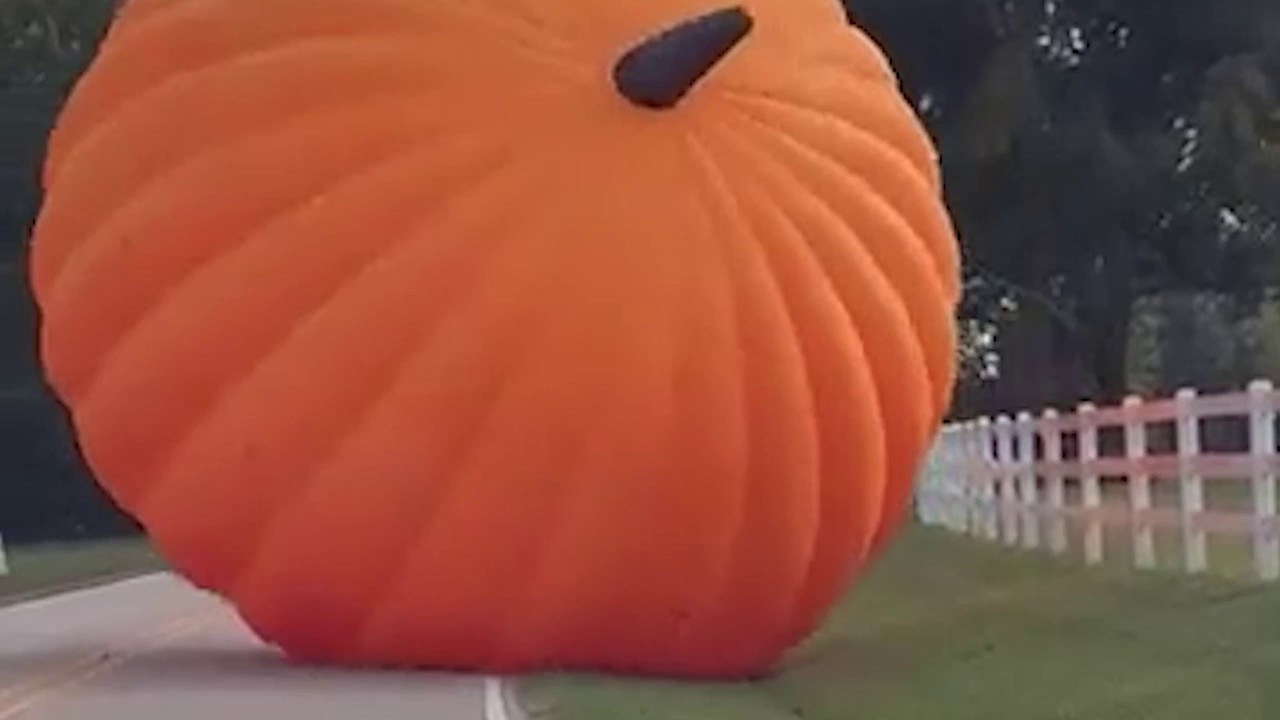
Giant Halloween inflatable pumpkin rolls down road, menaces cars
Gusty winds sent a farm’s massive Halloween decoration tumbling down a North Carolina roadway on Sunday, October 11, stopping motorists in their tracks. (Credit: Daniel Wester via Storyful)
Lots of Halloween fans look forward to carving jack-o’-lanterns every year, but do they ever stop to think why they do it?
It turns out the revered tradition likely dates back to an old Irish folktale.
The legend of "Stingy Jack"
The backstory:
According to History.com, jack-o’-lanterns may get their name from an Irish legend named Stingy Jack. Stingy Jack reportedly invited the devil to have a drink with him, but as his nickname suggests, Jack didn’t want to pay for his drink. Instead, he asked the devil to morph into a coin that Jack could use to pay for the beverages. The devil agreed, but instead of paying for the drinks, Stingy Jack put the coin devil into his pocket, next to a silver cross.
RELATED: How to stop pumpkin rot: 5 tips to make your jack-o'-lantern last longer
Eventually, Stingy Jack agreed to free the devil, but only if he agreed not to bother Jack for one year. He also said if he died, the devil could not take his soul. The next year, as legend has it, Jack tricked the devil again, this time getting him to climb a tree and pick a piece of fruit. While the devil was in the tree, Jack carved a cross into the bark so the devil couldn’t come down. At that point, he made the devil promise not to bother him for 10 years.
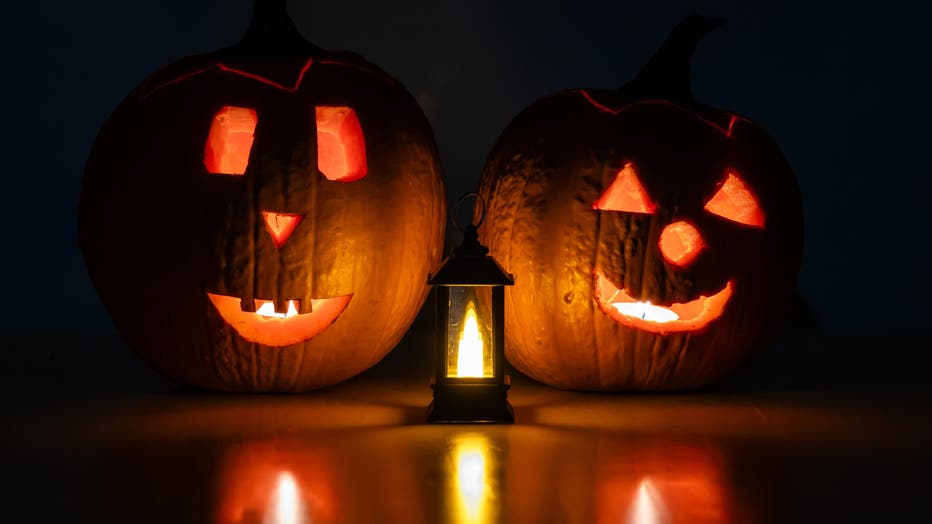
Lots of Halloween fans look forward to carving jack-o’-lanterns every year, but do they ever stop to think why they do it? (Photo Illustration by Tomas Tkacik/SOPA Images/LightRocket via Getty Images)
When Jack died soon after, God reportedly wouldn’t allow him into heaven, and the devil wouldn’t allow him in hell. The devil left Jack with "only a burning coal to light his way," so Jack carved out a turnip, put the coal in it, and has been wandering the world ever since.
RELATED: These haunted attractions rank as the top venues nationwide in 2026
The Irish called him "Jack of the Lantern," later shortened to simply "Jack O’Lantern."
How jack-o’-lanterns made it to America
Local perspective:
After the legend of "Stingy Jack" was published on paper in the 19th Century, people in Ireland and Scotland started carving scary faces into turnips, then placing them in windows or near doors to scare off Stingy Jack and any other evil spirits. In England, they used large beets. Eventually, those immigrants moved to the U.S. and helped to make jack-o’-lanterns an integral part of Halloween.
The Source: This report includes information from history.com.