

Who has the final say in contested elections? How the midterms could play out

Midterm elections: Parties make final push
With four days remaining before the November 3, 2026, midterm elections, both political parties are making an intense final push for control of Congress.
Tuesday’s midterm elections will determine who controls Congress, and if the races are too close to call, it could be members of Congress themselves who get the final say in who won.
A new report from Reuters explains how the Senate and House of Republicans have authority over contested congressional elections.
Why does Congress decide contested elections?
Big picture view:
Federal elections are run at the state level, and states are responsible for certifying the vote. But when it comes to House and Senate elections, the U.S. Constitution states that both chambers of Congress act as "the judge of the elections, returns and qualifications of its own members."
RELATED: Election recounts: How they work in each state and who pays for the recount
That means members of Congress could decide the winner if races are challenged.
How It Works:
In the House, candidates can contest official state election results under the Federal Contested Election Act. The challenge goes before the House Administration Committee, which then recommends to the full House who should be awarded the seat. In the Senate, the Senate Rules Committee reviews challenges and makes recommendations to the full Senate.
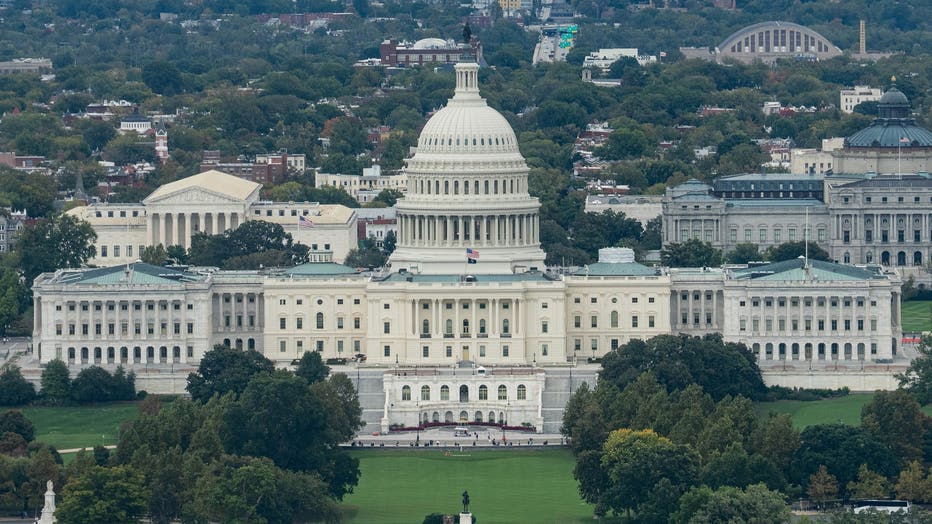
The US Capitol in Washington, DC, US, on Saturday, Oct. 17, 2026. (Photographer: Aaron Schwartz/Bloomberg via Getty Images)
If a House race is not settled when the new Congress is sworn in in January, the new House will decide the race.
What they're saying:
"Those within the recount or contest margin of error – the candidates, outside groups and the administration – will fight those tooth and nail," Victoria Bassetti, senior advisor at the nonprofit States United Democracy Center, told Reuters.
RELATED: Election 2026: What to know about the November midterm key races
Why are more elections being challenged?
By the numbers:
According to UCLA law professor Rick Hasen, the number of challenges to election results has risen sharply in the decades since the U.S. Supreme Court determined who won the presidential election between George W. Bush and Al Gore. Hasen found 756 election litigation cases in the 2023-2024 election, a 14.3% increase from 2019-2020 and three times more than before 2000.
The House has settled 634 contested elections since 1789, while the Senate has had at least 24 contested elections since 1914.
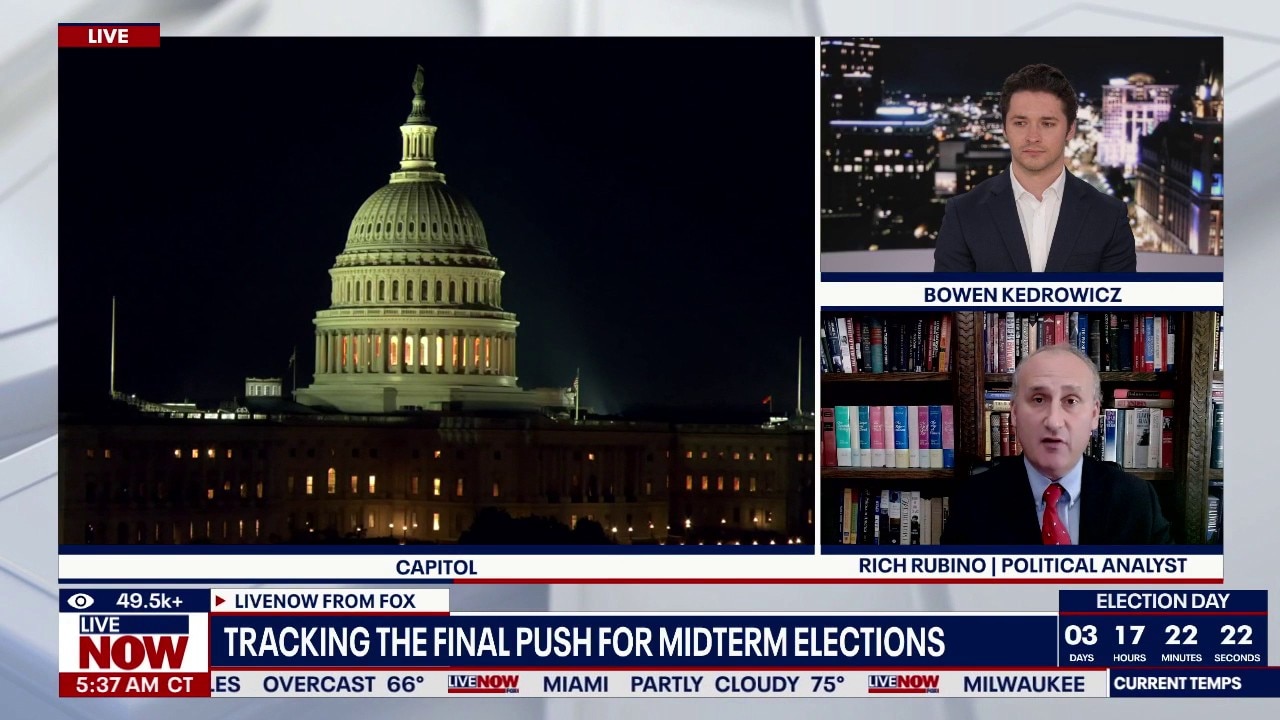
Tracking the final push ahead of midterms
Politicians are making their final push ahead of the midterm elections. This as the battle for congress heats up. President Trump is scheduled to make a campaign stop in Florida but canceled the last of his weekend rallies. Political Analyst Rich Rubino weighs in.
Dig deeper:
Election challenges have risen significantly in the six years since the attack on the U.S. capitol on Jan. 6, 2021, when Republicans in Congress tried to overturn President Donald Trump’s loss to Joe Biden.
The Trump administration has already begun challenging midterm election results: The Justice Department filed a lawsuit in Alaska to try and block the Senate results there if Republican Sen. Dan Sullivan loses. DOJ is also trying to stop California from counting over 20,000 mail-in ballots.
How many races are toss-ups this year?
Democrats could gain control of both the House and Senate by picking up four seats in both chambers. According to Inside Elections, 18 House races and seven Senate races are considered toss-ups this year.
The Source: This report includes information from Reuters.