

25 states file lawsuit over student loan caps for nursing and healthcare degrees
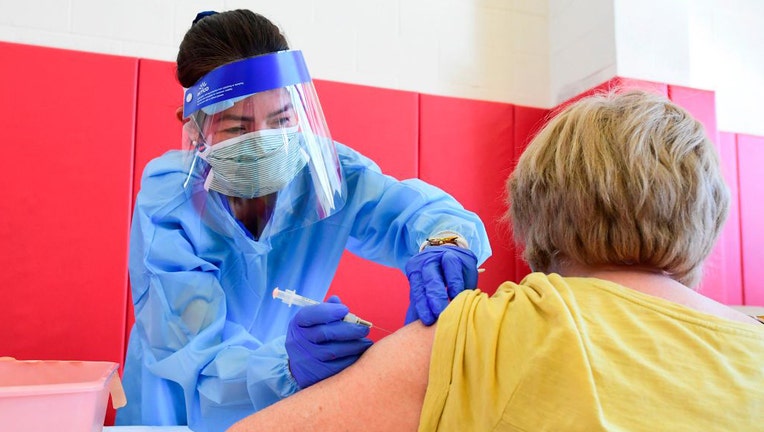
FILE-A registered nurse administers a vaccine into the arm of a patient. (Photo by FREDERIC J. BROWN/AFP via Getty Images)
A group of 25 states and Washington, D.C. filed a lawsuit against the Department of Education over new graduate student loan limits.
The lawsuit, filed in Maryland, comes a few weeks after the Department of Education finalized rules that lower the amount of money graduate students can borrow from the federal government.
RELATED: Student loan borrowers in SAVE plan told to prepare for repayment: What to know
Starting July 1, the rule takes effect and is part of the One Big Beautiful Act signed by President Donald Trump in 2025.
The Department of Education can impose loan borrowing caps depending on if students are working towards a degree in what is deemed as a professional or graduate program.
States argue federal loan limit may impact health worker shortage
Dig deeper:
The states in the lawsuit, which include Arizona, California, Maryland, Nevada, and Colorado, are challenging a Trump administration rule that caps access to federal student loans for borrowers earning a graduate degree in healthcare-related jobs.
States are also concerned that the rules may compel students to rely on expensive private loans, postpone finishing their education, and weaken workforce shortages, making it difficult for patients to access health care.
In 2025, Republicans passed new limits on graduate student loans as part of the One Big Beautiful Bill Act.
This act doesn’t change limits for undergraduate borrowers, including students attending undergraduate nursing programs, but limits how much money graduate students can borrow. However, the new limits cap yearly borrowing for most at $20,500 with a total limit of $100,000.
According to the Washington Post, the Department of Education stated that 95% of nursing students borrow below the annual limit and would not be impacted by the new caps.
While appearing at a House Education Committee hearing in April, Education Secretary Linda McMahon alluded to this statistic when lawmakers expressed concerns that the graduate loan limits may worsen the health care worker shortage.
McMahon raised two points in the hearing that the cost of most advanced nursing degrees might still be in the range of the new caps, which wouldn’t affect undergraduate nursing programs, and that the caps are meant to compel colleges to lower their tuition costs, NPR reported.
The Source: Information for this story was provided by a copy of the lawsuit filed by the states, The Washington Post, and NPR. This story was reported from Washington, D.C.