

Ticks use static electricity to latch on to you from afar, researchers find
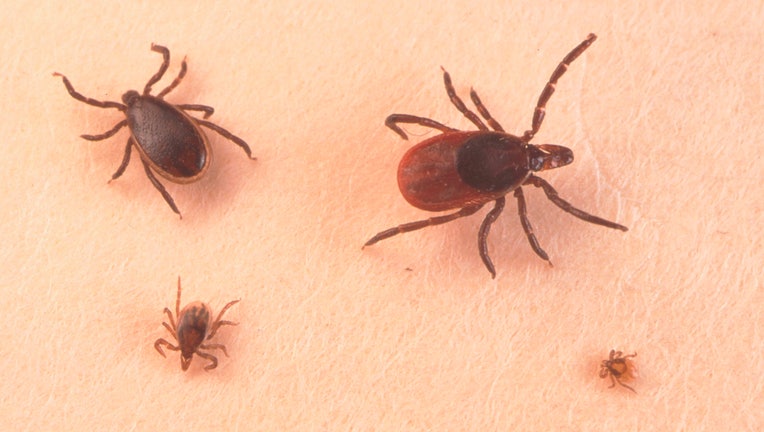
Closeup of ticks (Photo By Getty Images)
Hungry ticks have some slick tricks. They can zoom through the air using static electricity to latch onto people, pets and other animals, new research shows.
Humans and animals naturally pick up static charges as they go about their days. And those charges are enough to give ticks a boost to their next blood meal, according to a study published Friday in the journal Current Biology.
While the distance is tiny, "it’s the equivalent of us jumping three or four flights of stairs in one go," said study author Sam England, an ecologist now at Berlin’s Natural History Museum.
READ MORE: Tourist films something massive swimming below plane: It was a world-famous creature
Ticks are "ambush predators," explained Stephen Rich, a public health entomologist at the University of Massachusetts Amherst.
They can't jump or fly onto their hosts, he said. Instead, they hang out on a branch or a blade of grass with their legs outstretched — a behavior known as "questing" — and wait for people or animals to pass by so they can grab on and bite.
It seemed that ticks were limited to how far they could stretch on their "tippy toes," England said. But now, scientists are learning that static charges may help expand their reach.

Man finds tick in his eye
A man who couldn't remove an object lodged in his eye makes the horrifying discovery that it's a tick.
"They can now actually end up latching onto hosts that don’t make direct contact with them," he said.
The researchers looked at a species of tick called the castor bean tick, which is common across Europe. This bloodsucker and its cousins are major culprits in spreading diseases to animals and humans, including Lyme disease, and are most active in warm months.
READ MORE: Florida community ordered to quarantine after giant invasive snail sighting
Researchers found that when they charged up electrodes and placed them near young ticks, the creatures would whiz through the air to land on those electrodes.
A normal level of static — the charge that fur, feathers, scales or clothes pick up with movement — could pull the critters across gaps of a fraction of an inch (a few millimeters or centimeters), according to the study. While those distances may seem small to us, for a tiny tick, they represent a big leap, England said.
In the future, there might be ways developed to reduce that static, experts said. But for now, Rich said people should keep using classic tick prevention measures, including repellents, to keep themselves safe from bites.